Irish Road Signs and Their Meanings
Learn every road sign that appears on the Irish driving theory test, with clear meanings and explanations. Updated for 2026.
Warning signs
76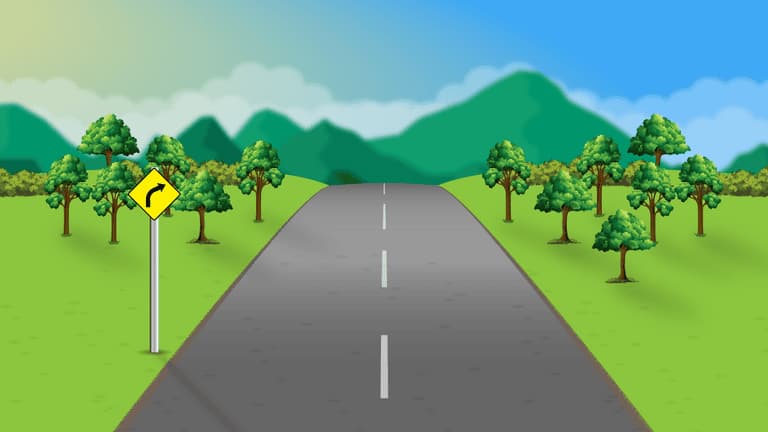
A dangerous right-hand bend ahead.
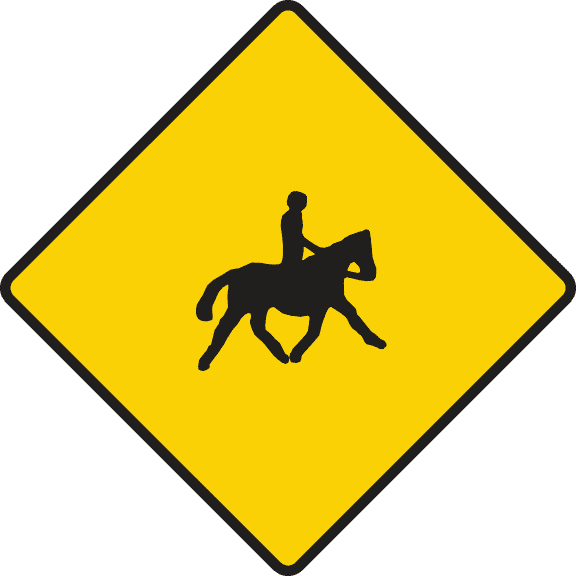
Accompanied horses and ponies ahead.
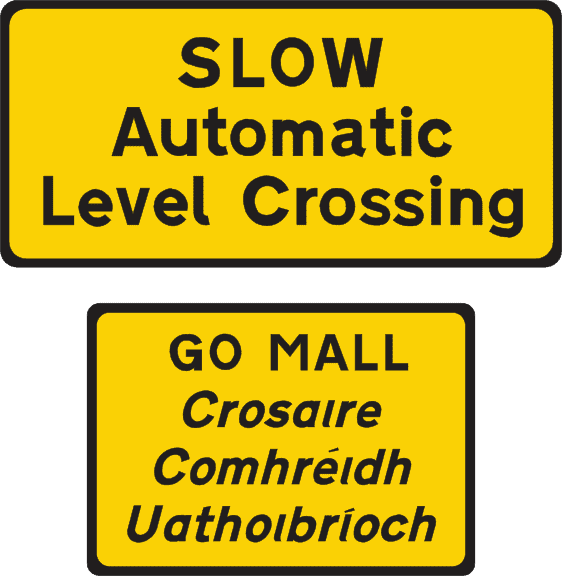
Automatic level crossing ahead.
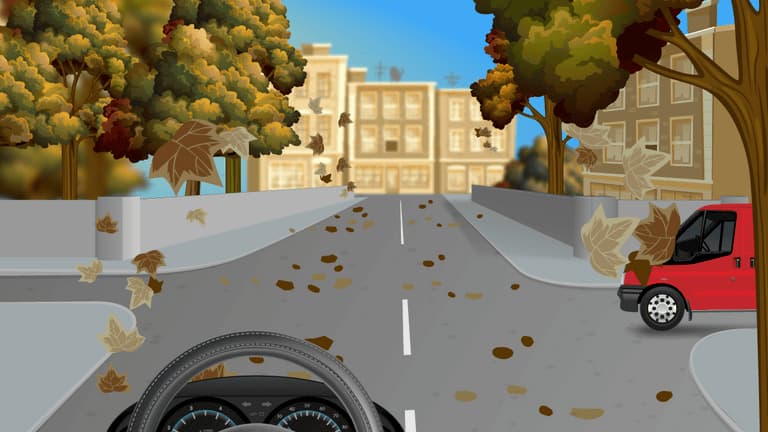
Because there is an increased danger of skidding.
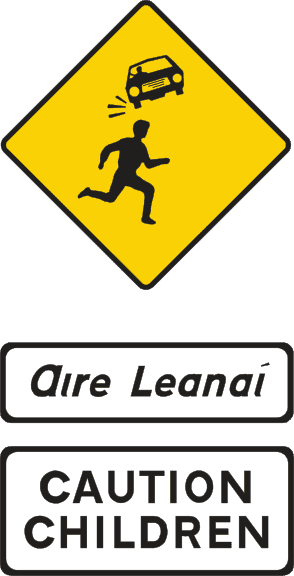
Beware of children crossing.
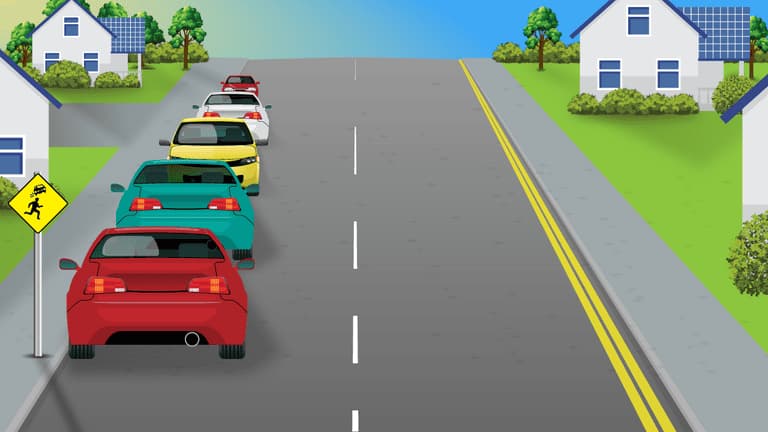
Children may unexpectedly run out from between parked cars.
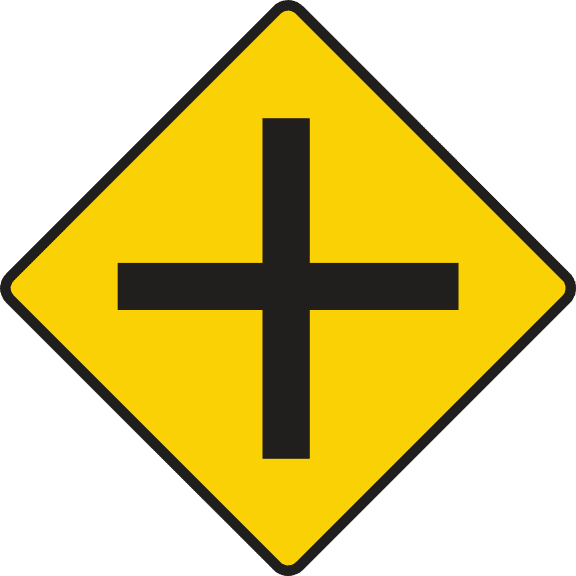
Crossroads ahead with roads of equal importance.
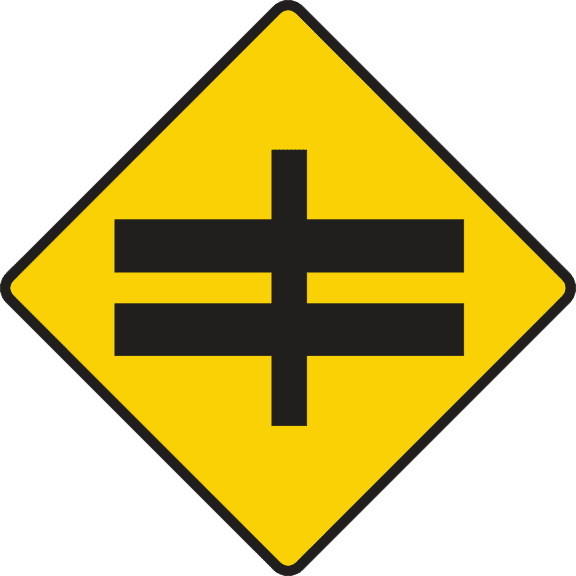
Crossroads with dual carriageway ahead.
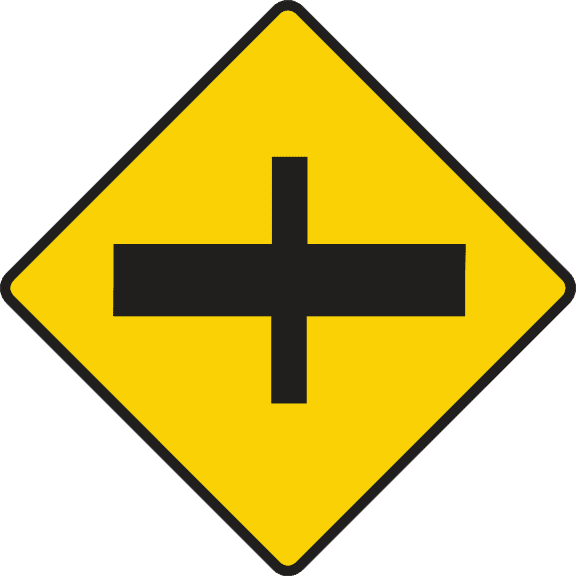
Crossroads with major road ahead.
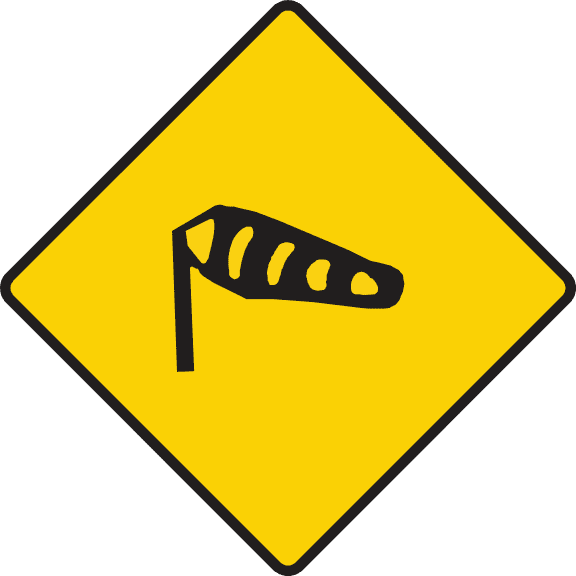
Crosswinds ahead.
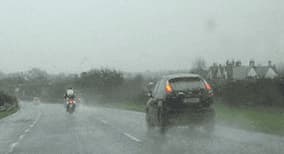
Crosswinds may blow the rider into their path.
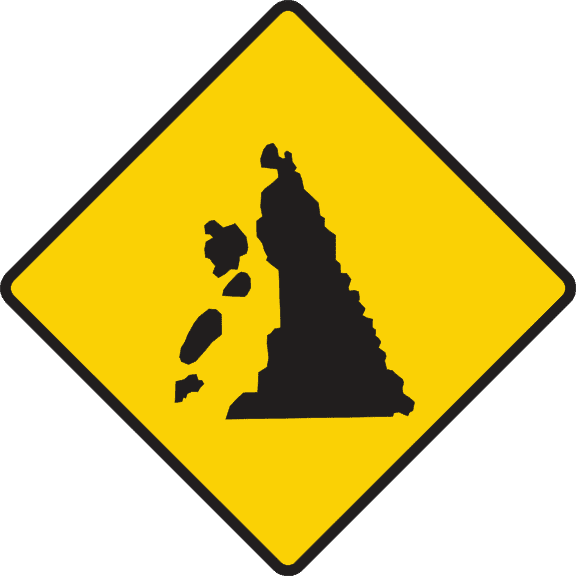
Danger of falling rocks ahead.
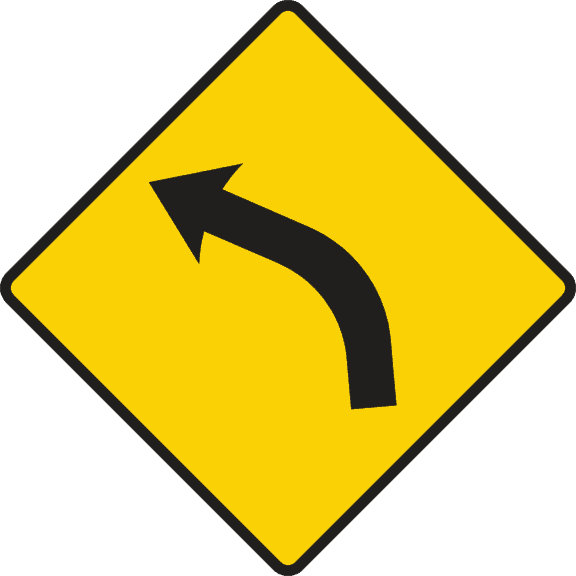
Dangerous bend ahead.
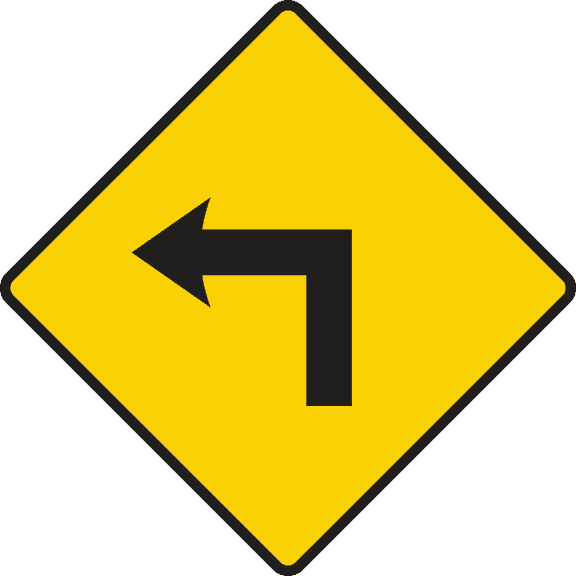
Dangerous corner ahead.
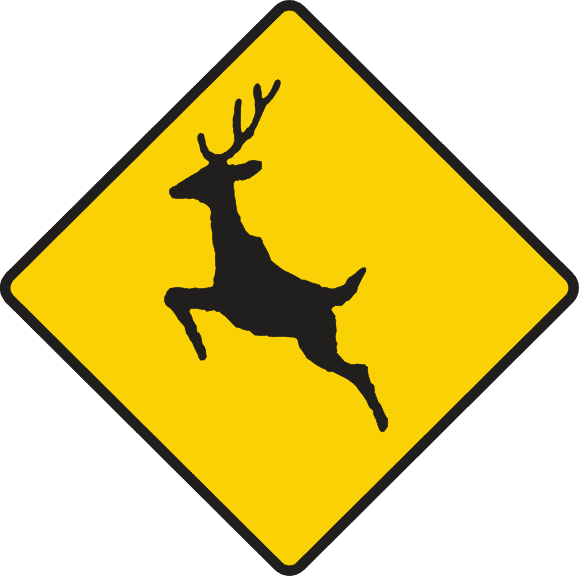
Deer or wild animals ahead.
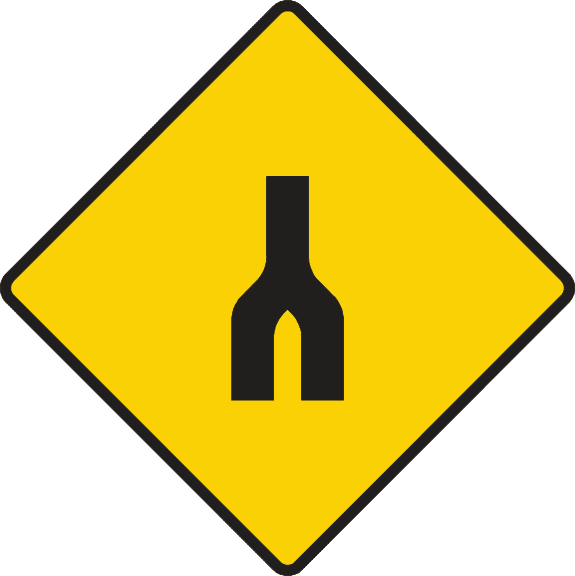
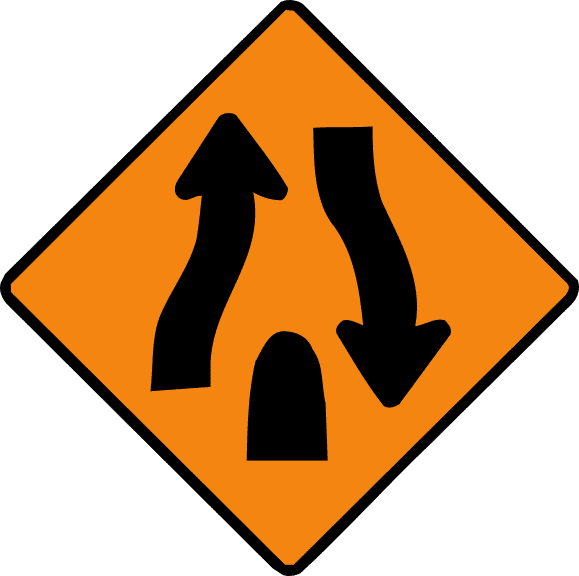
Dual carriageway ends.
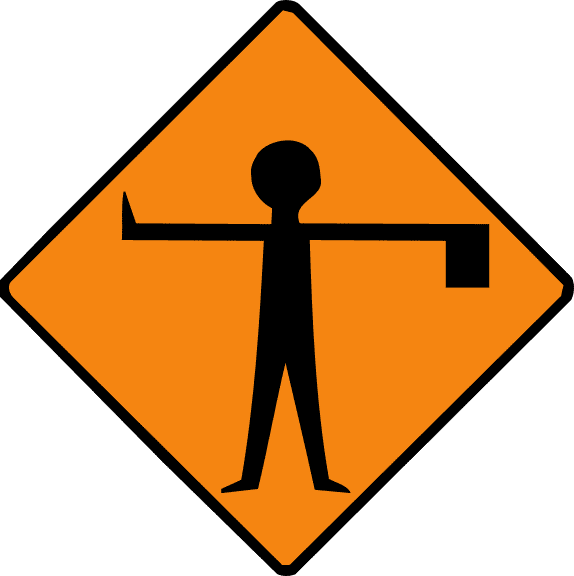
Flagman ahead.
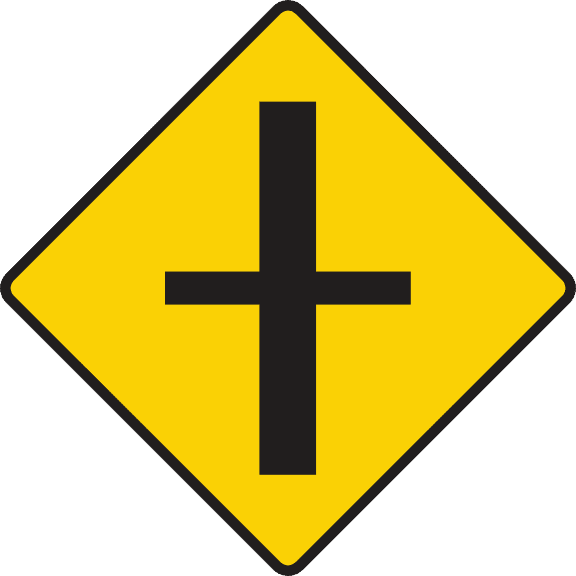
Junction ahead with roads of lesser importance.
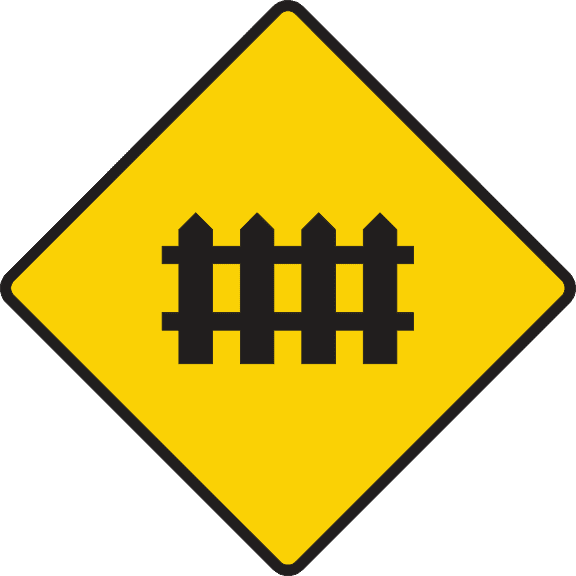
Level crossing ahead guarded by gates or barriers.
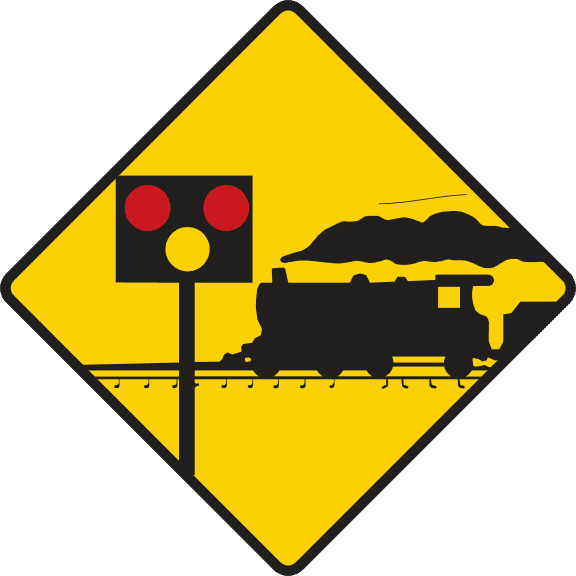
Level crossing ahead protected by lights and barriers.
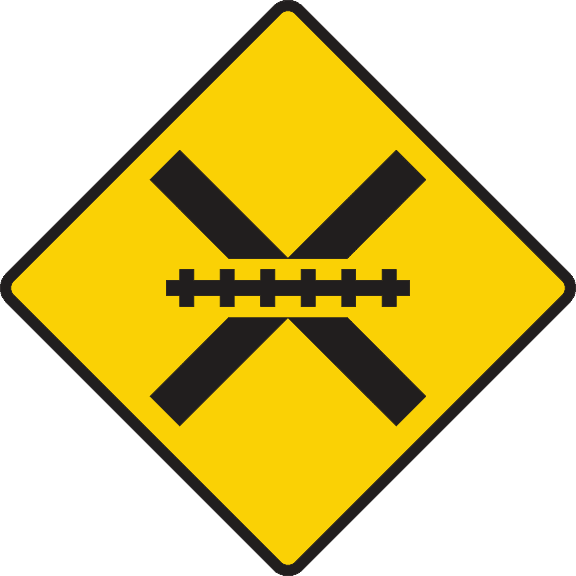
Level crossing ahead unguarded by gates or barriers.
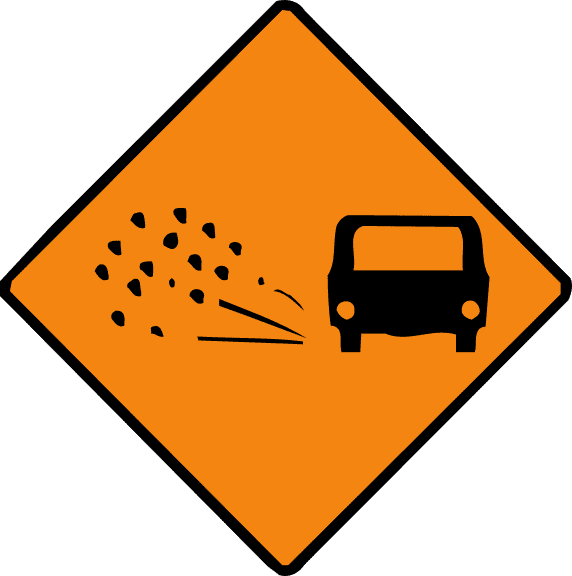
Loose chippings on road.
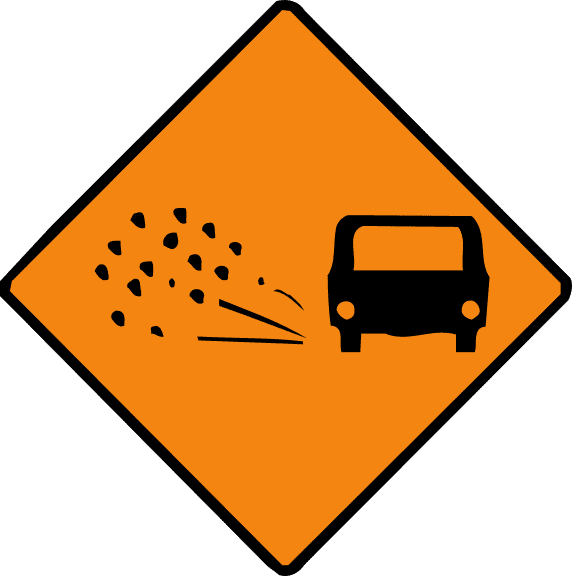
Loose chippings on road.
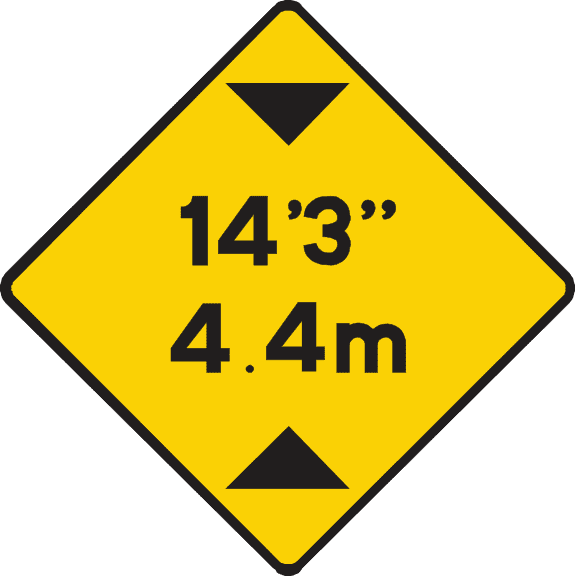
Low bridge up ahead.
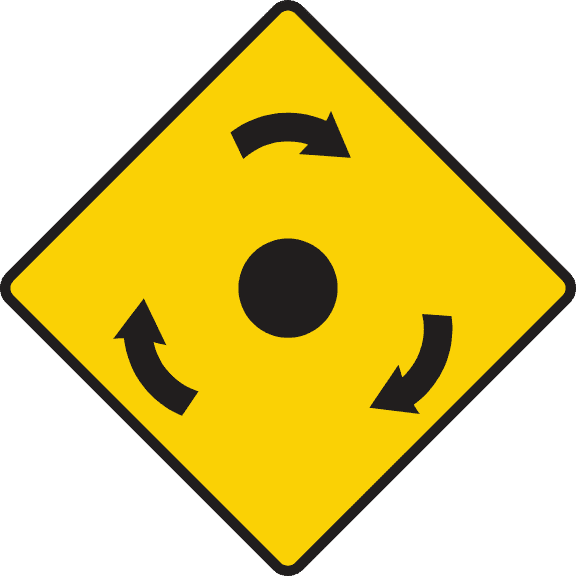
Mini-roundabout ahead.
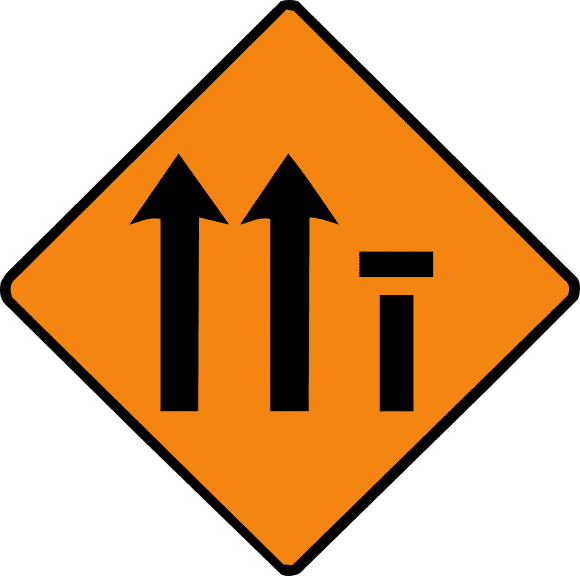
Offside lane closed ahead.
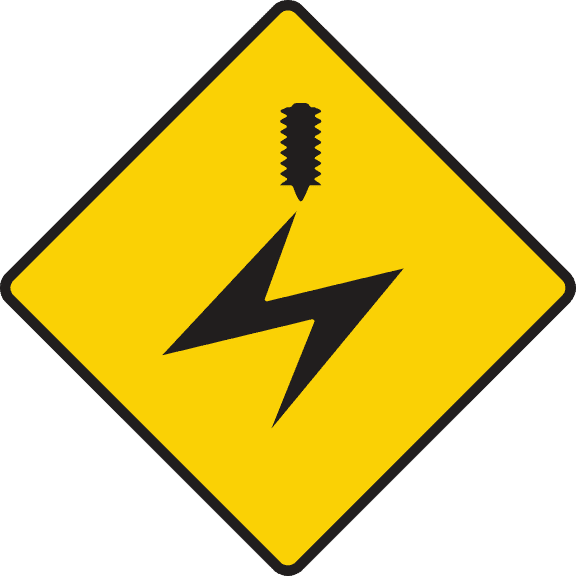
Overhead electric cables.
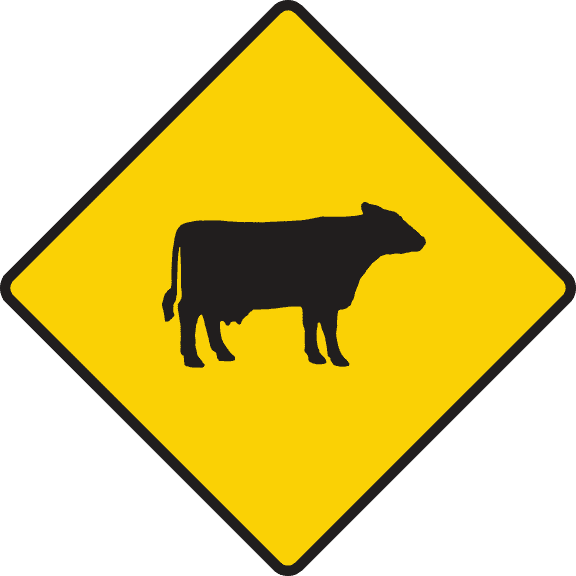
Possibility of cattle or farm animals ahead.
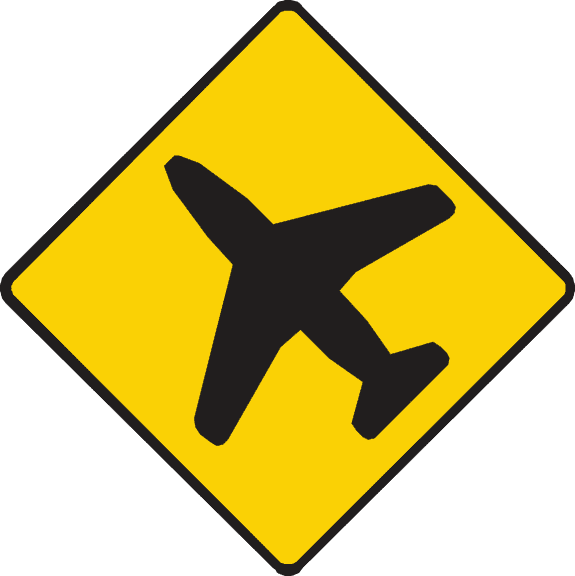
Possibility of low flying aircraft.
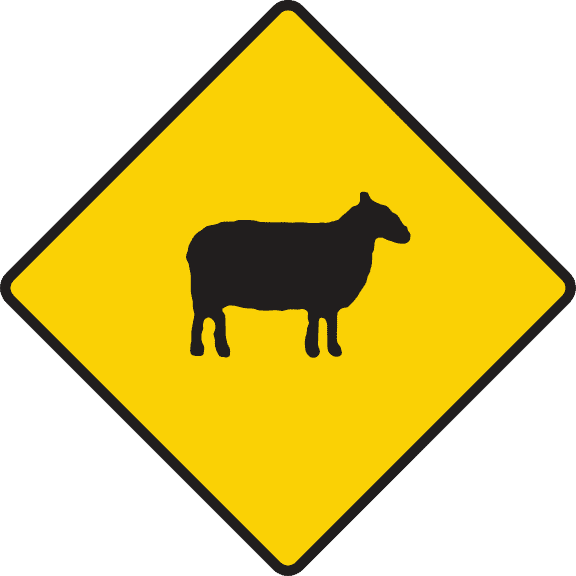
Possibility of sheep ahead.
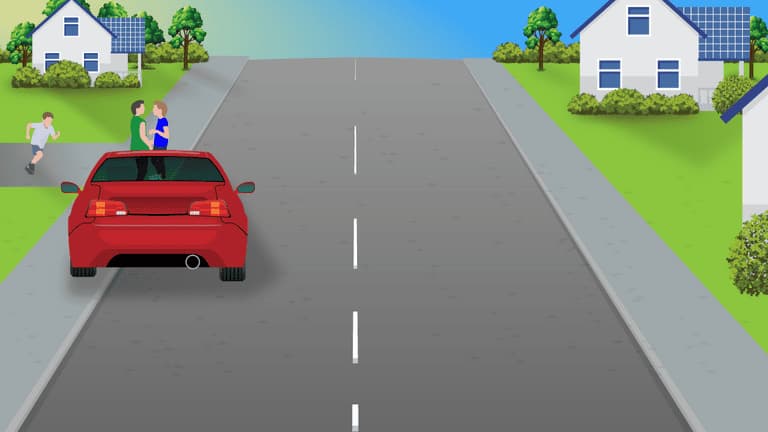
Reduce speed and be prepared to stop as other children could follow.
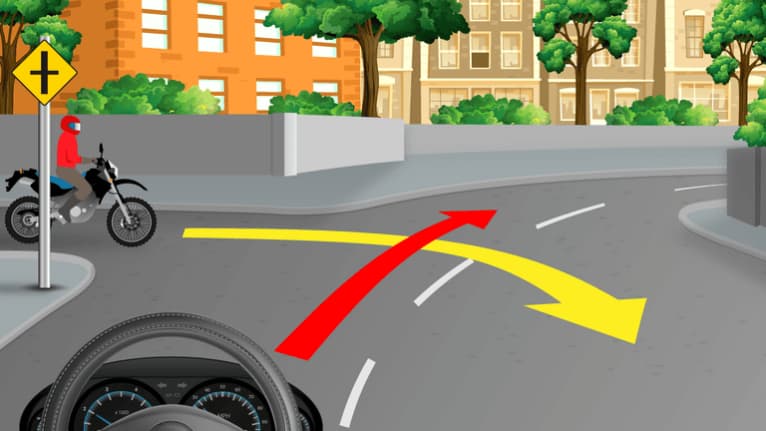
Reduce speed as possible hazards ahead.
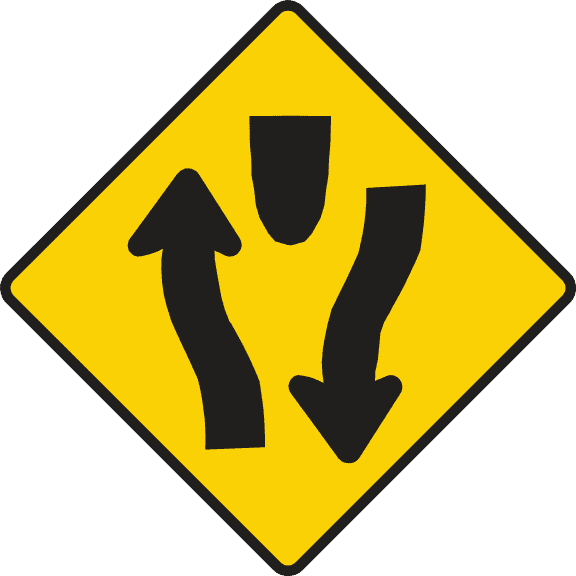
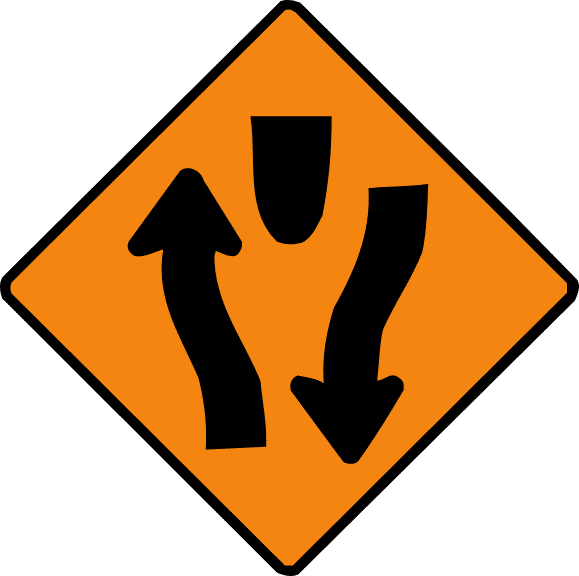
Road divides ahead.
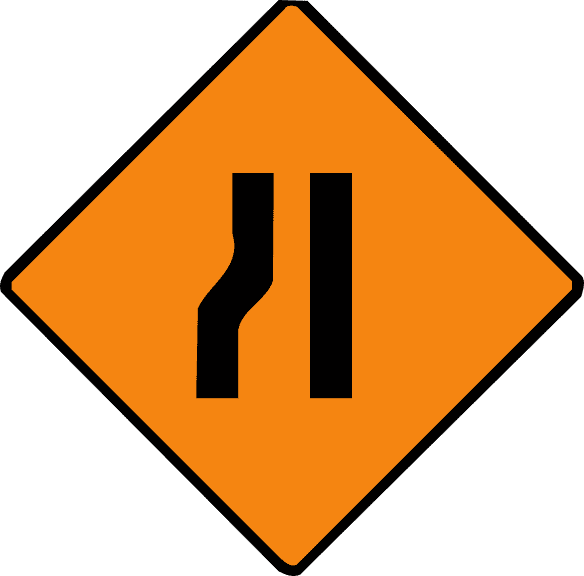
Road narrows from left.
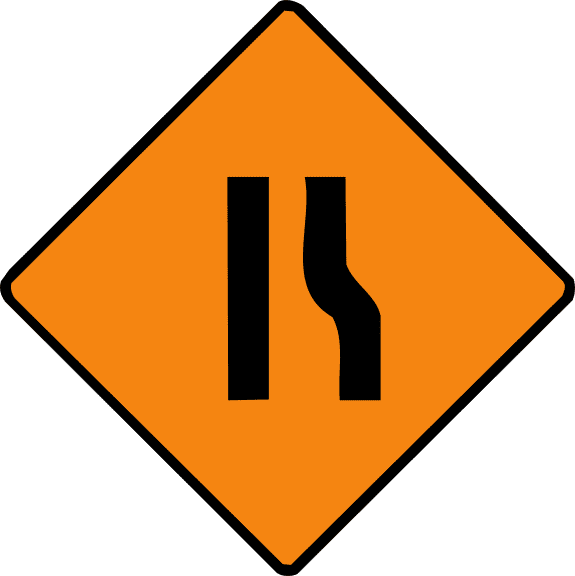
Road narrows from right.
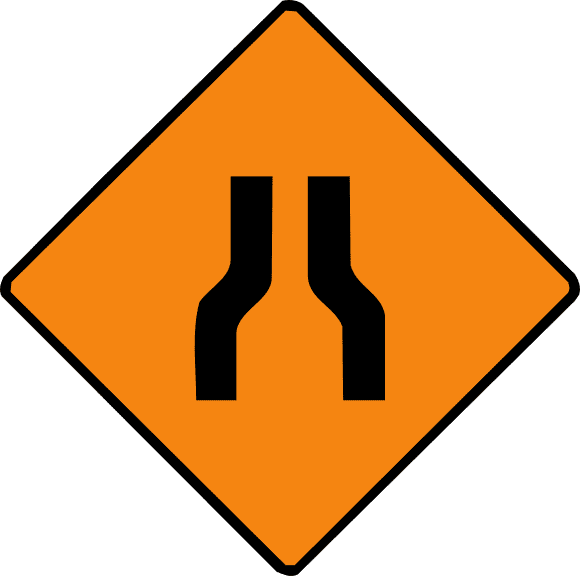
Road narrows on both sides.
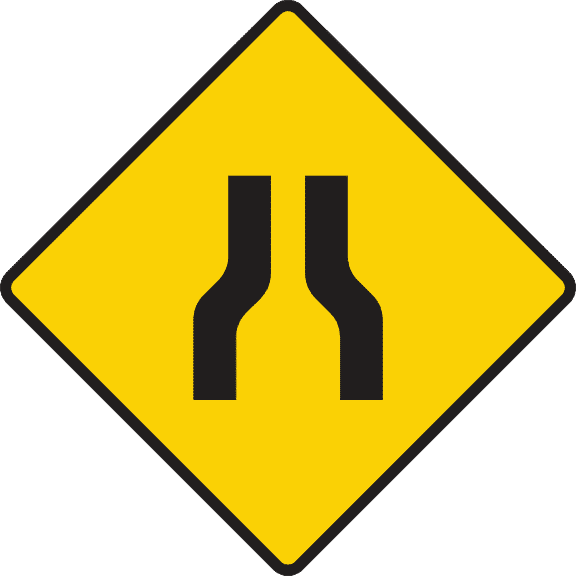
Road narrows on both sides.
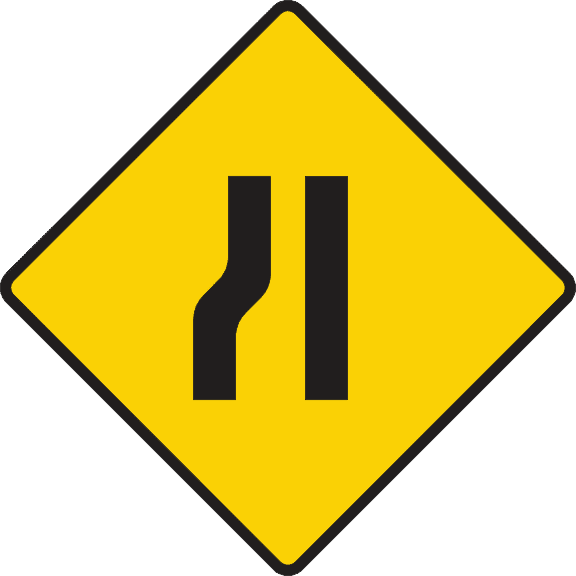
Road narrows on the left.
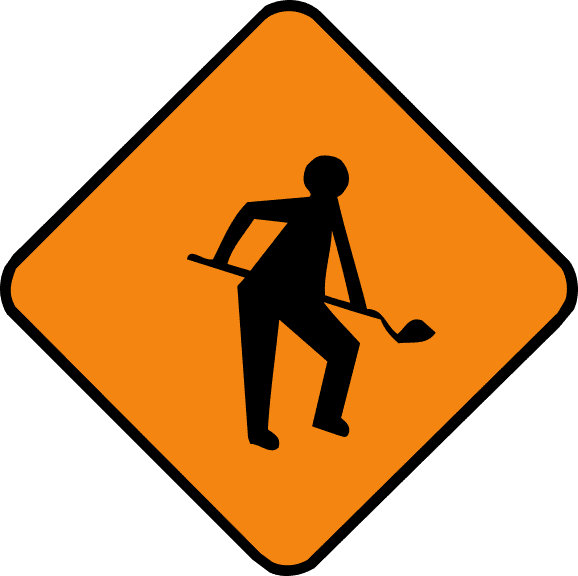
Roadworks ahead.
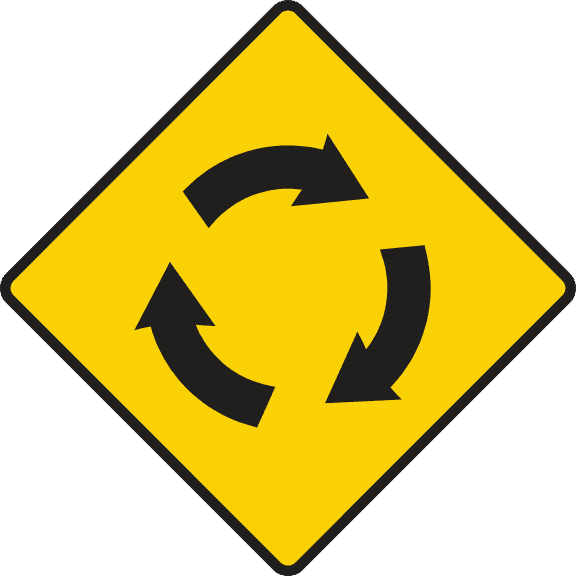
Roundabout ahead.
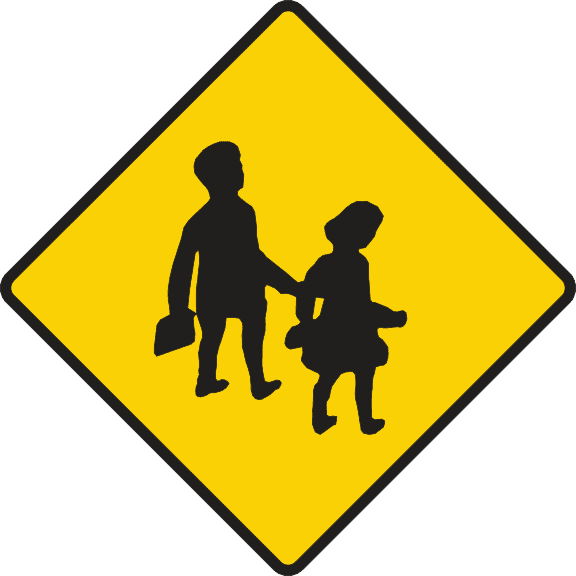
School ahead.
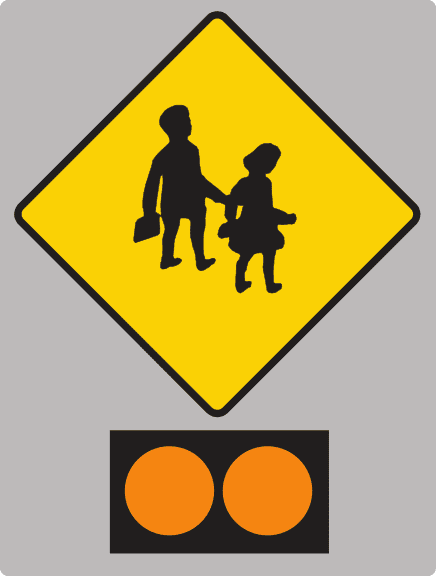
School children crossing ahead.
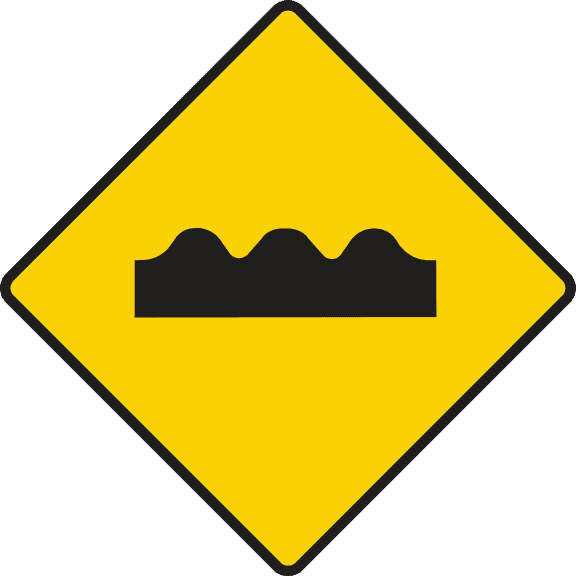
Series of bumps or hollows ahead.
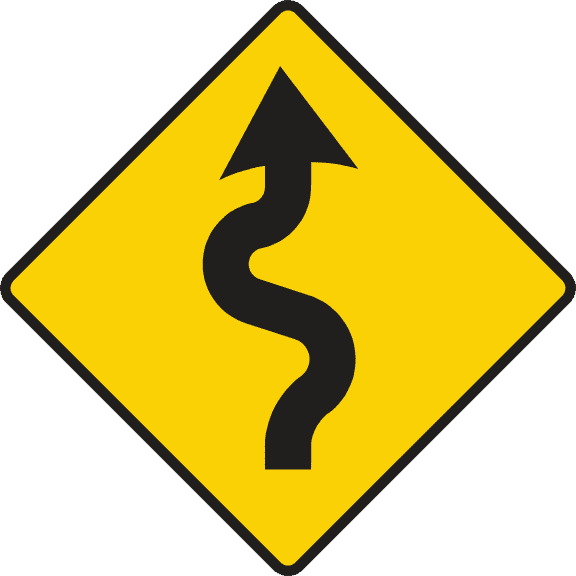
Series of dangerous bends ahead.
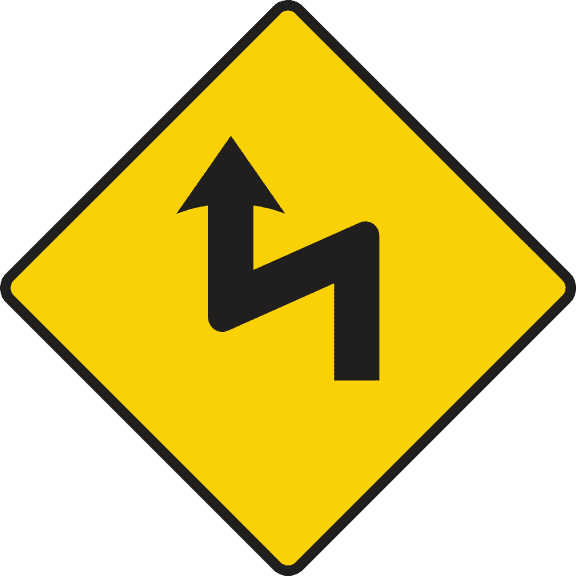
Series of dangerous corners ahead.

Sharp change of direction to the right.
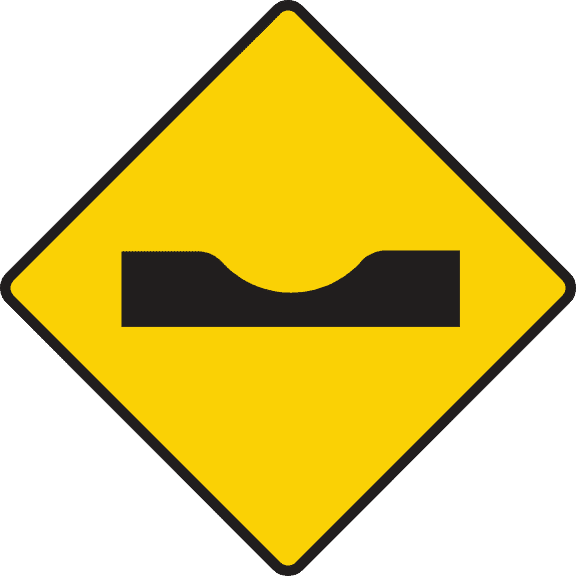
Sharp depression or dip ahead.
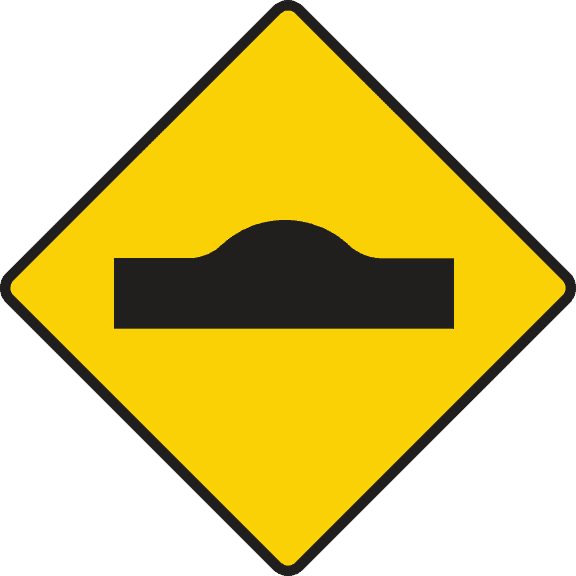
Sharp rise in the road ahead - for example, a humpback bridge.
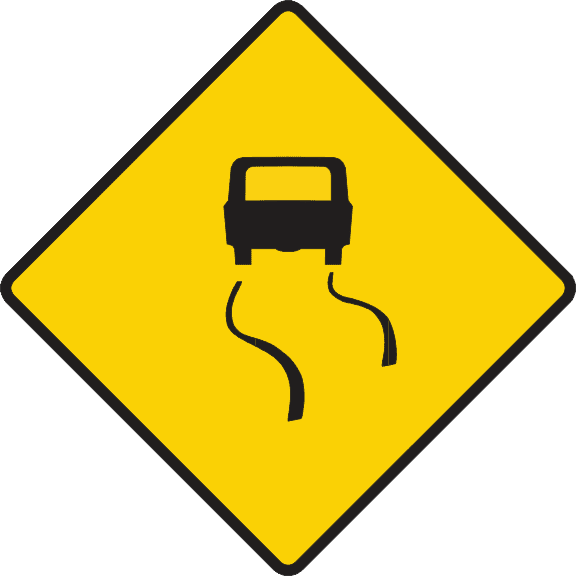
Slippery road ahead.
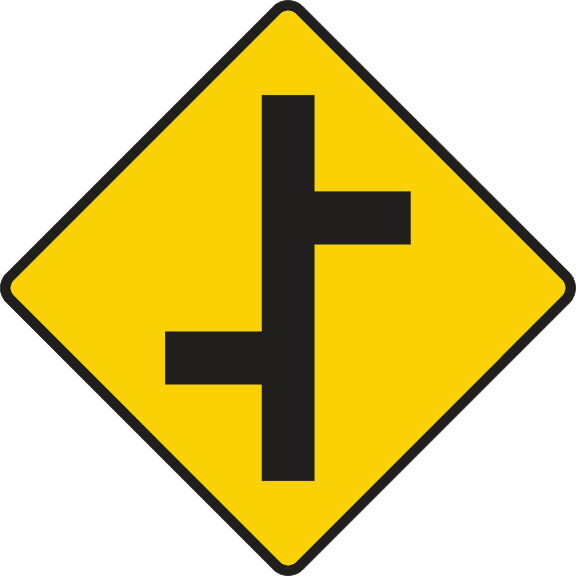
Staggered crossroads ahead with roads of equal importance.
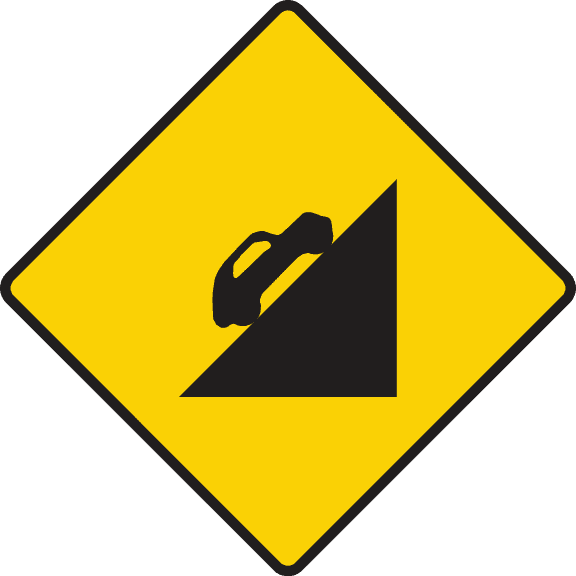
Steep ascent ahead.
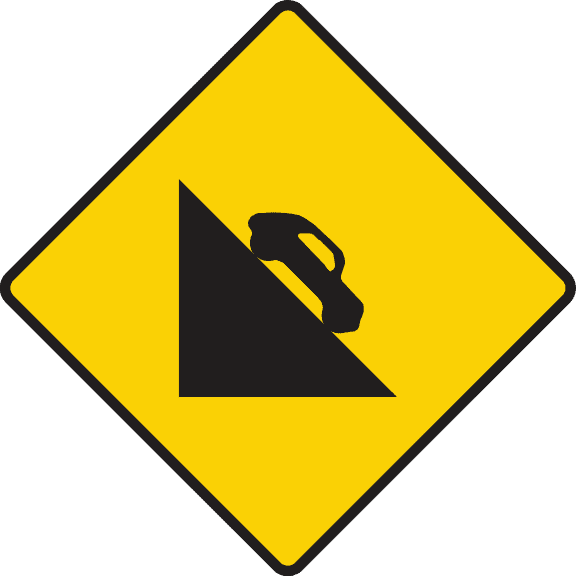
Steep descent ahead.
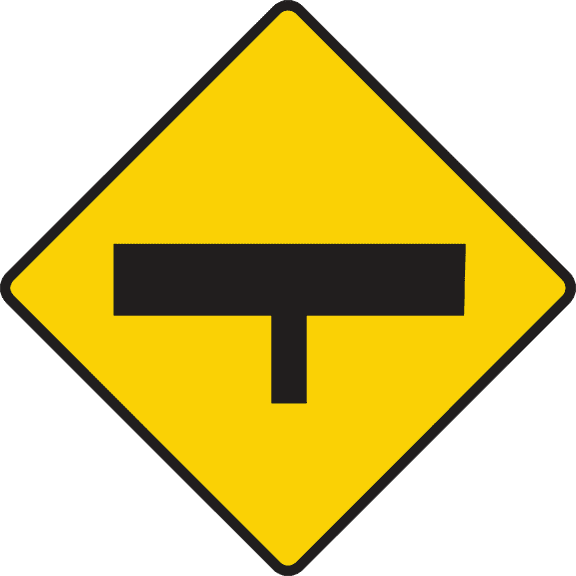
T-junction ahead with a road of major importance.
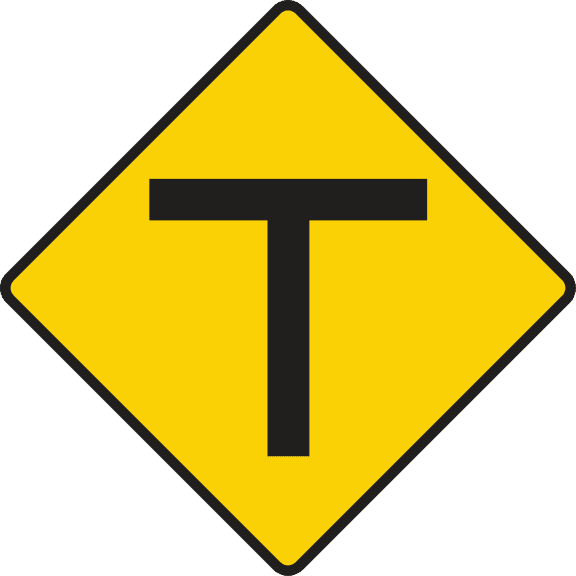
T-junction ahead with roads of equal importance.
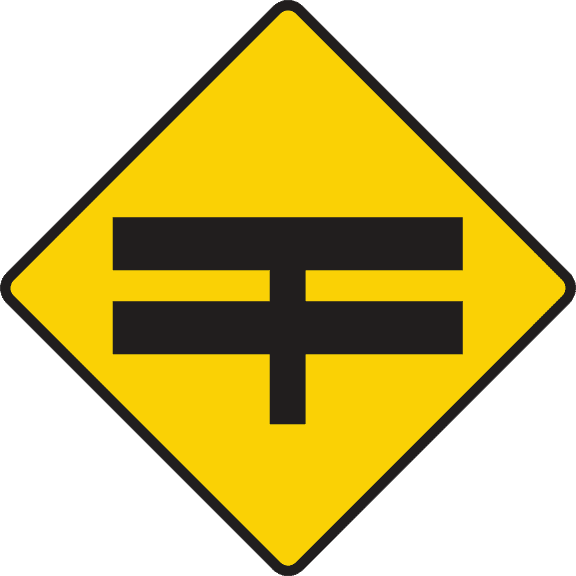
T-junction with dual carriageway ahead.
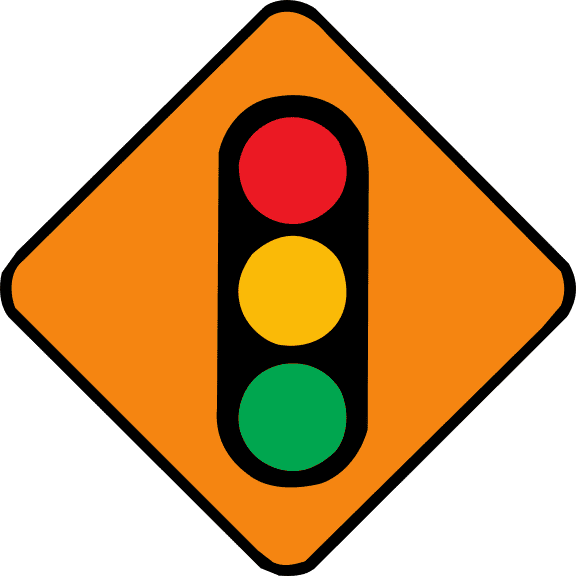
Temporary traffic signals ahead.
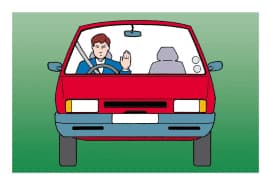
The driver intends to proceed straight ahead.
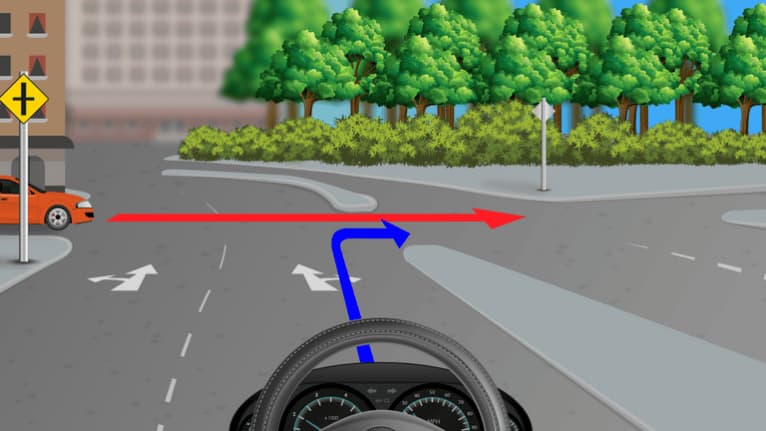
The driver may continue ahead with caution.
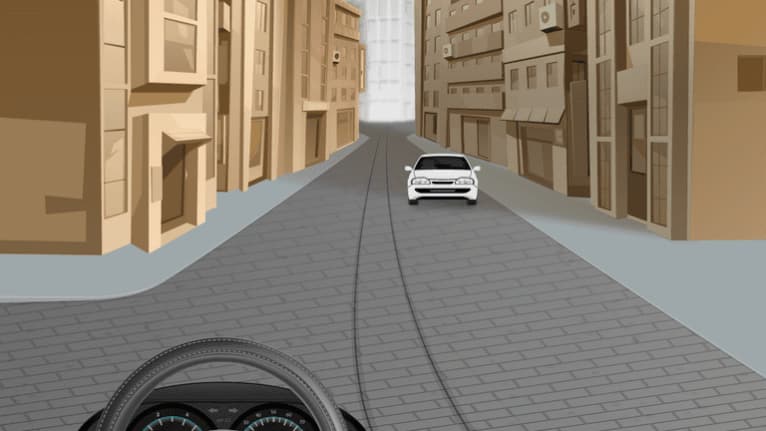
The road surface is uneven and road grip varies.
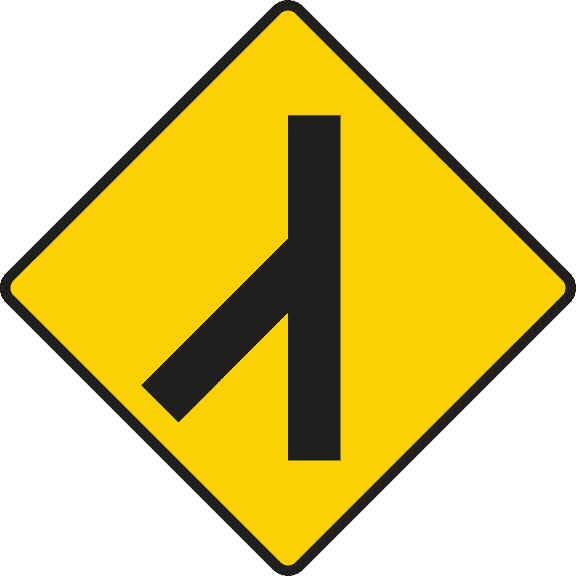
Traffic merging from the left.
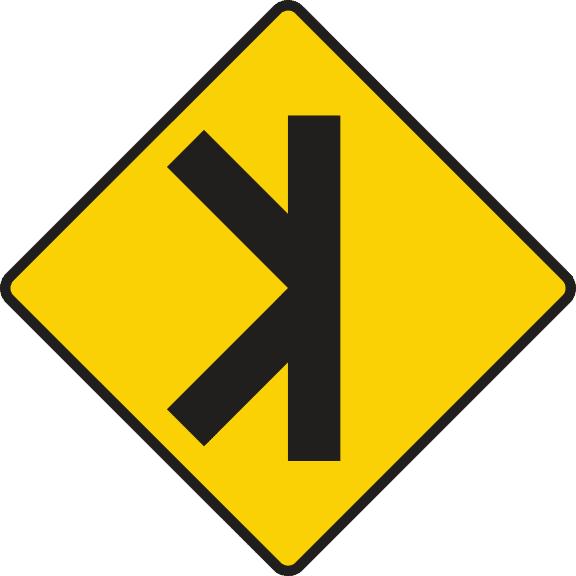
Traffic merging/diverging ahead.
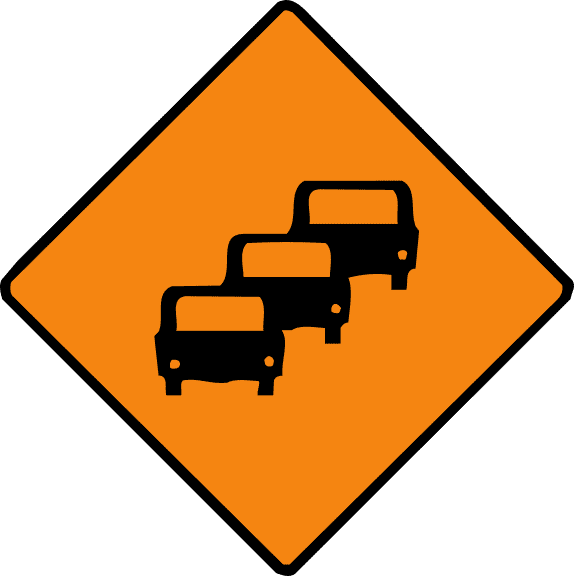
Traffic queues likely ahead.
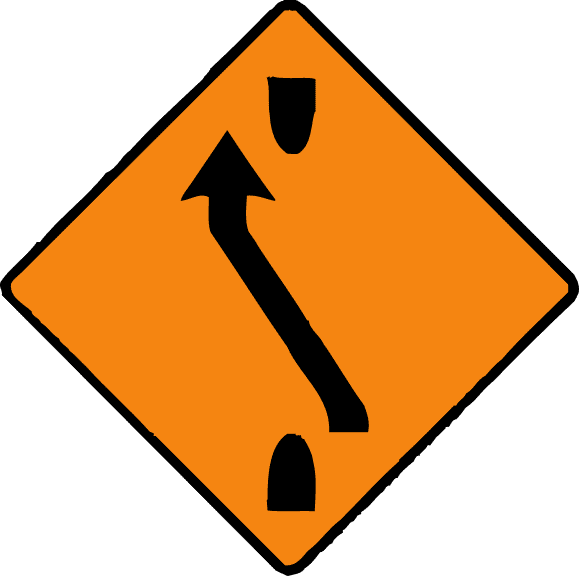
Traffic should cross back to the left-hand lane ahead.
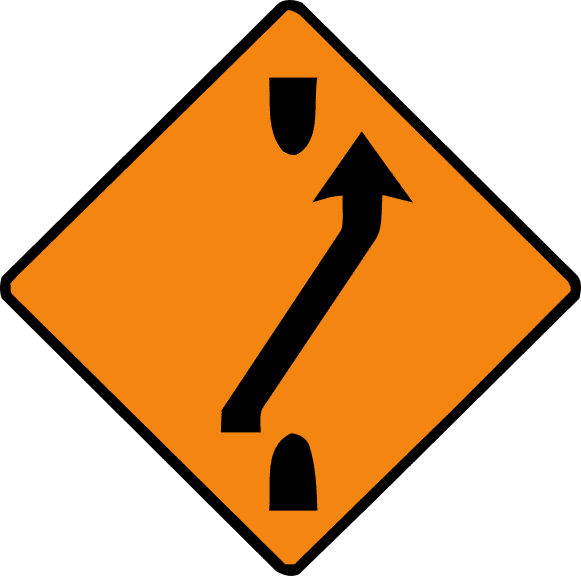
Traffic should cross out to the right-hand lane ahead.
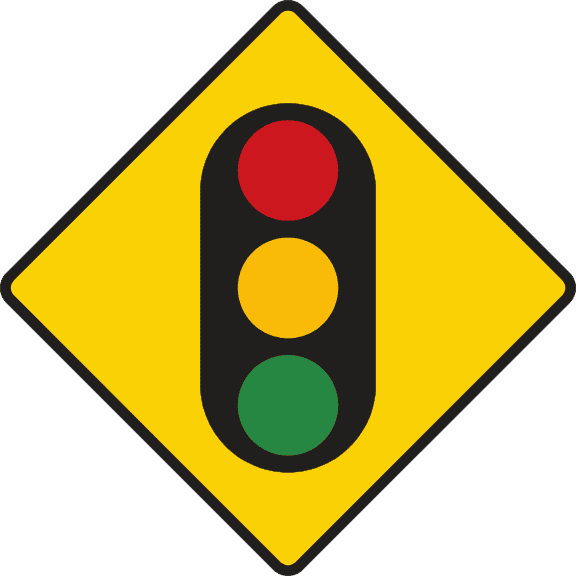
Traffic signals ahead.
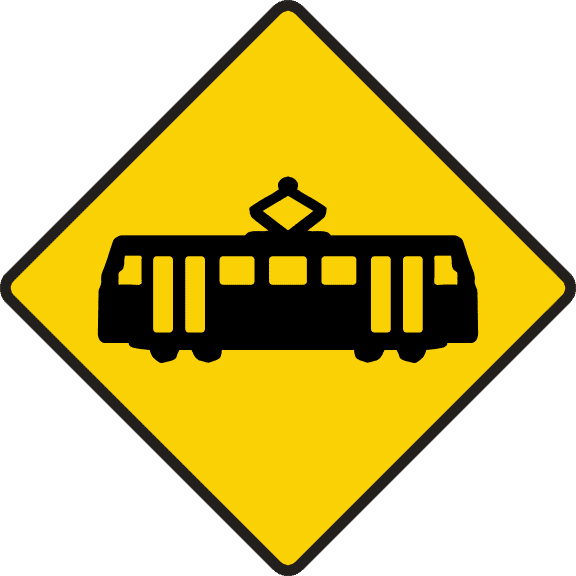
Tramway crossing ahead.
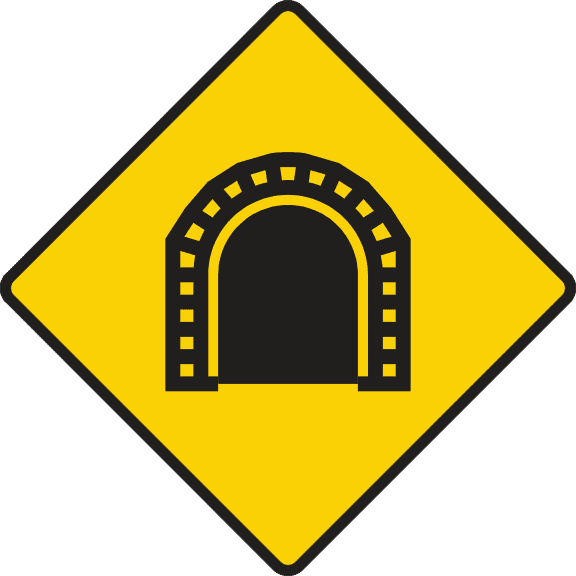
Tunnel ahead.
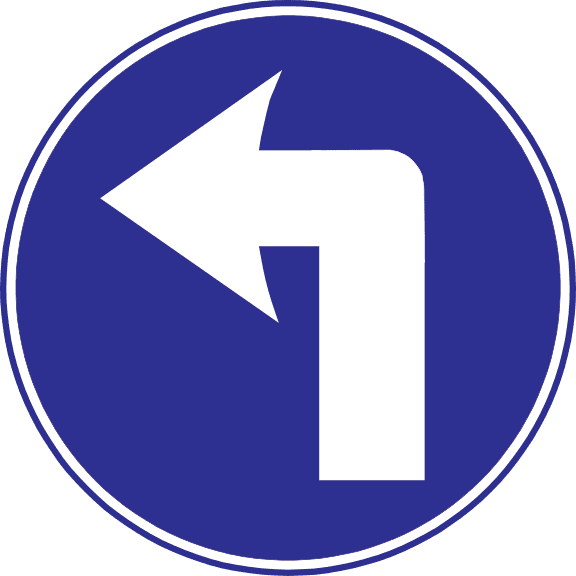
Turn left ahead.
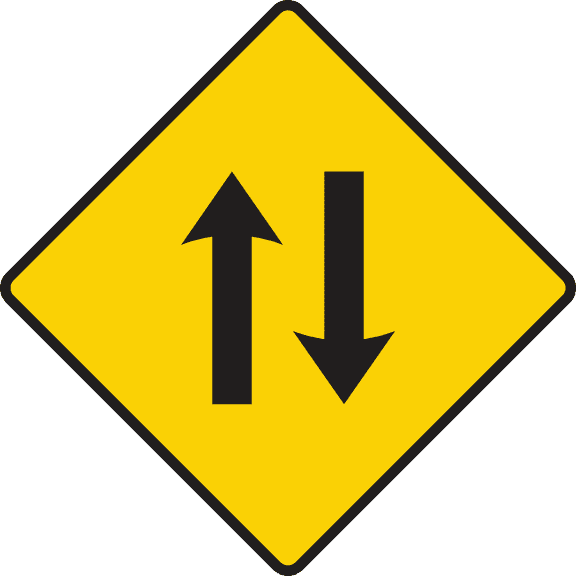
Two-way traffic ahead.
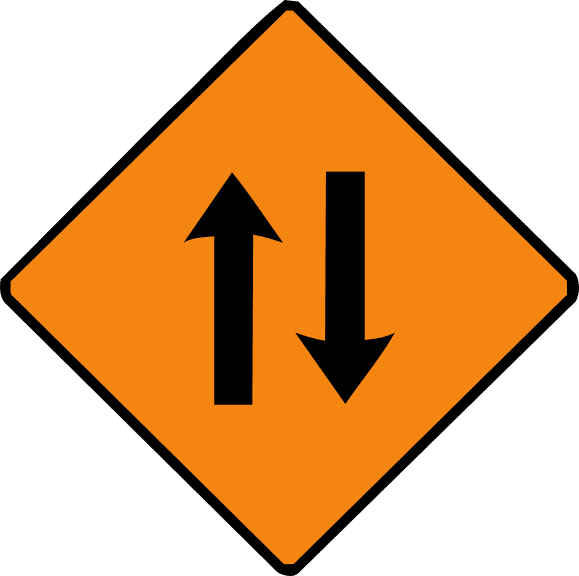
Two-way traffic.
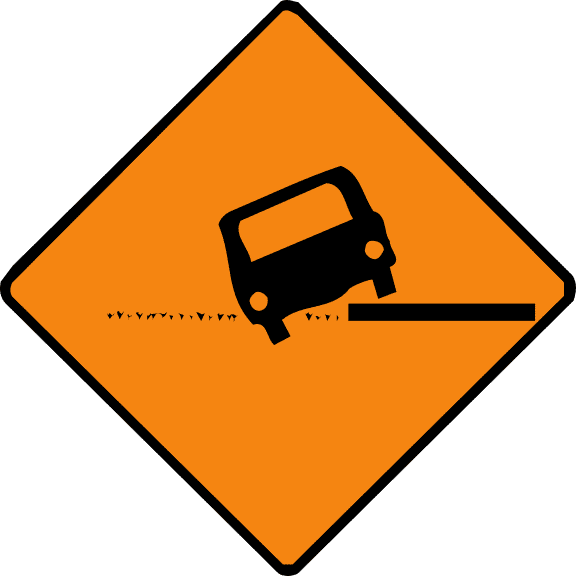
Uneven surface.
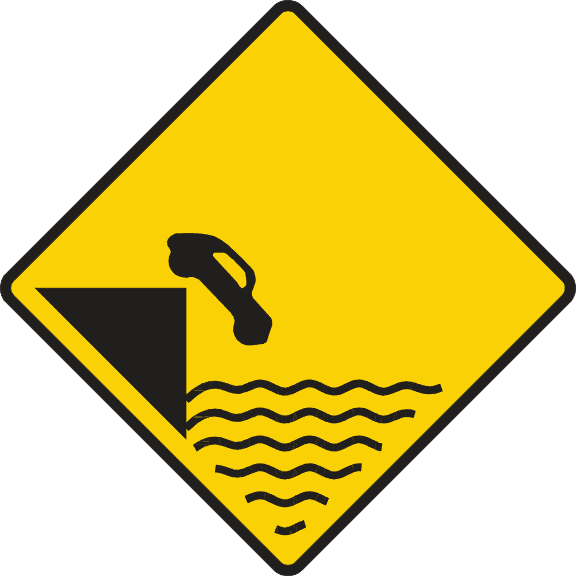
Unprotected quay, canal or river ahead.
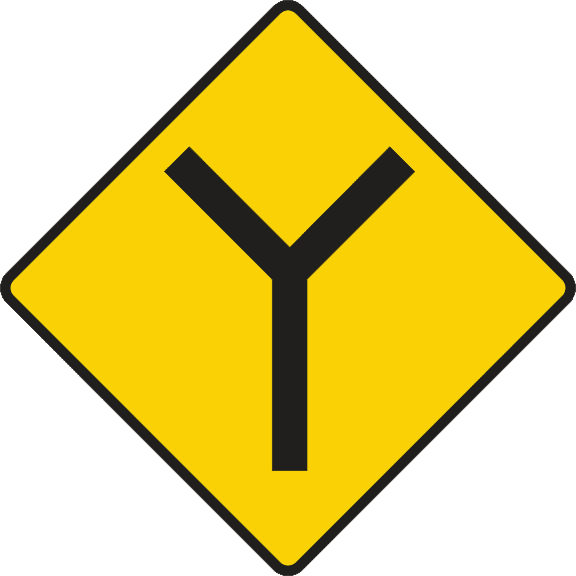
Y-junction ahead with roads of equal importance.
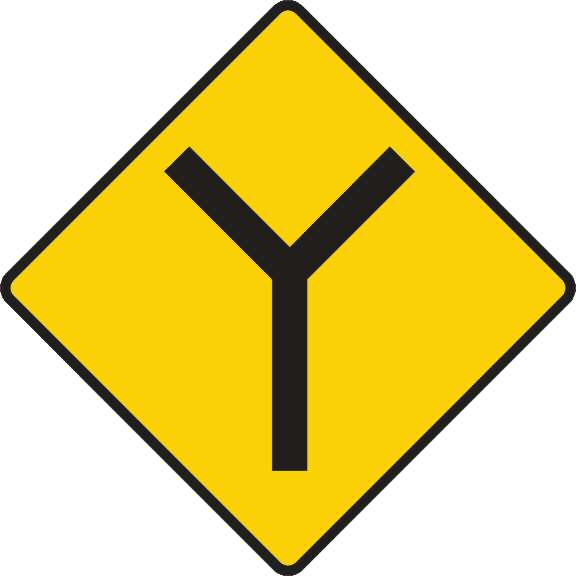
Y-junction ahead with roads of equal importance.
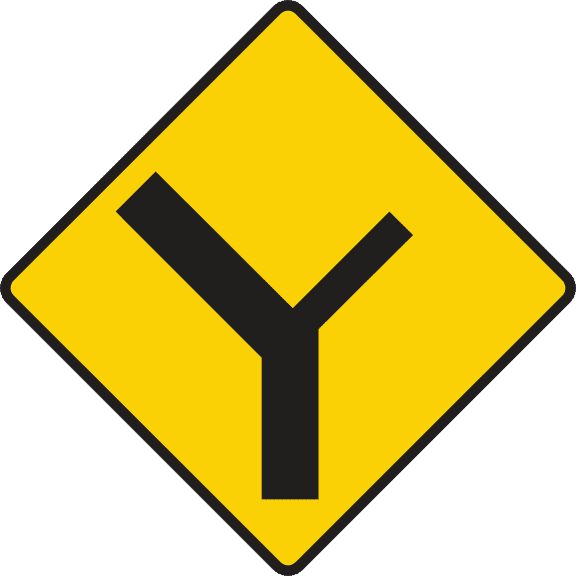
Y-junction where main road bears to the left.
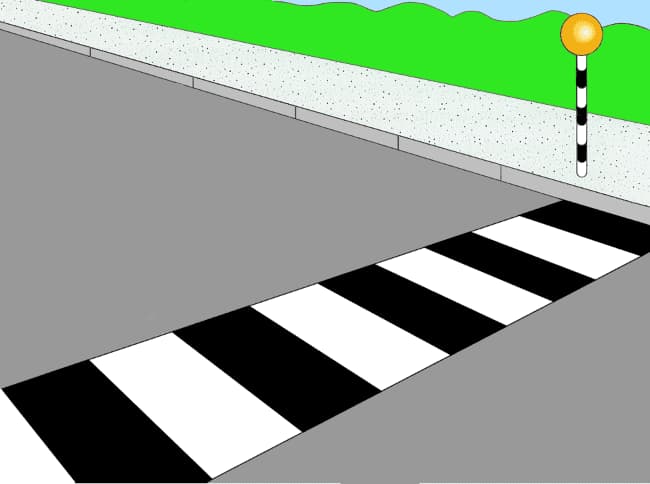
Zebra crossing.
Regulatory signs
40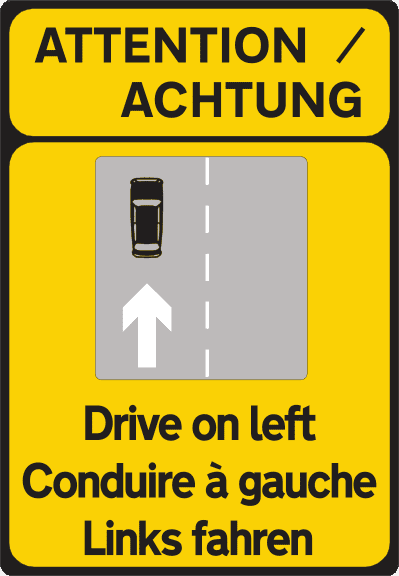
A driver must drive on the left-hand side.
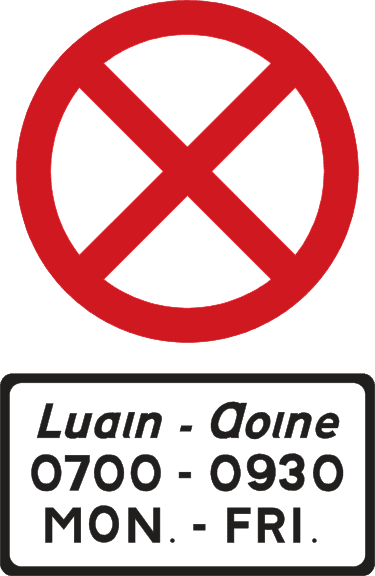
Clearway - no stopping or parking during the times shown.
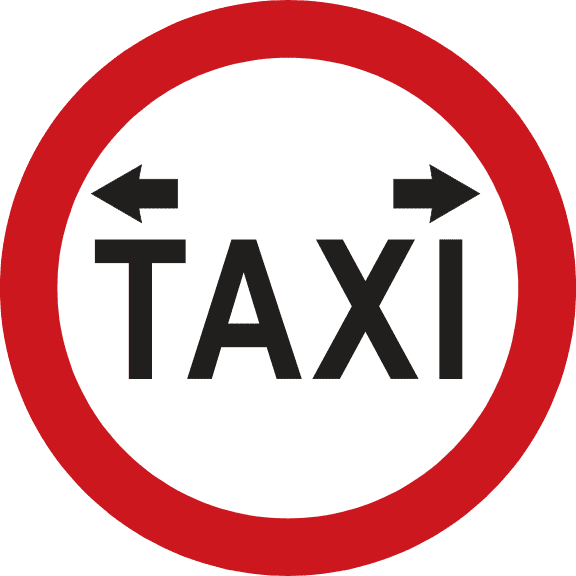
Designated rank for taxis.
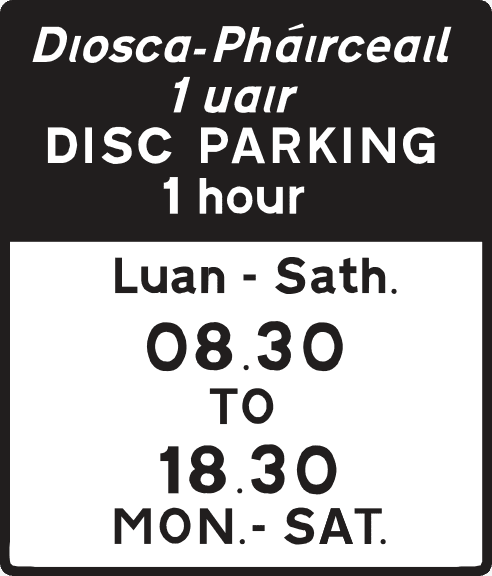
Disc parking operates during the time shown.
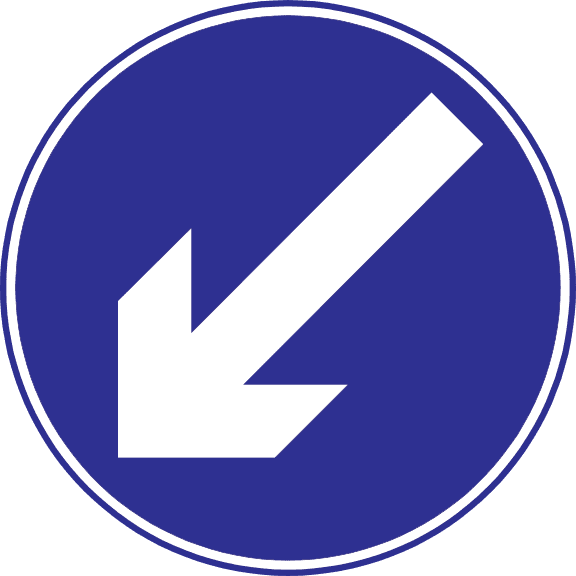
Keep left.
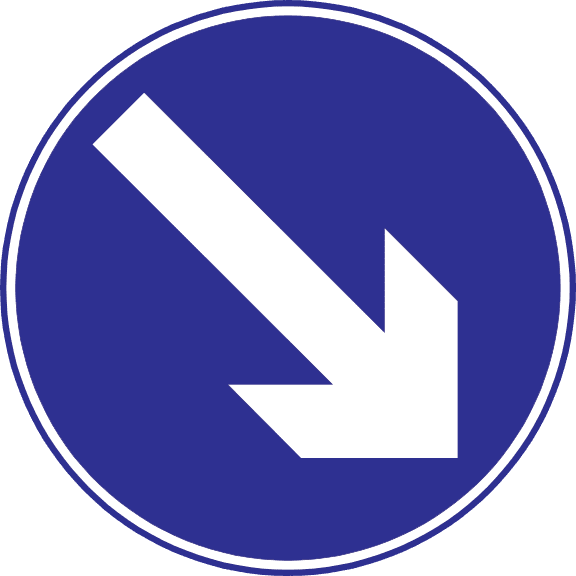
Keep right.
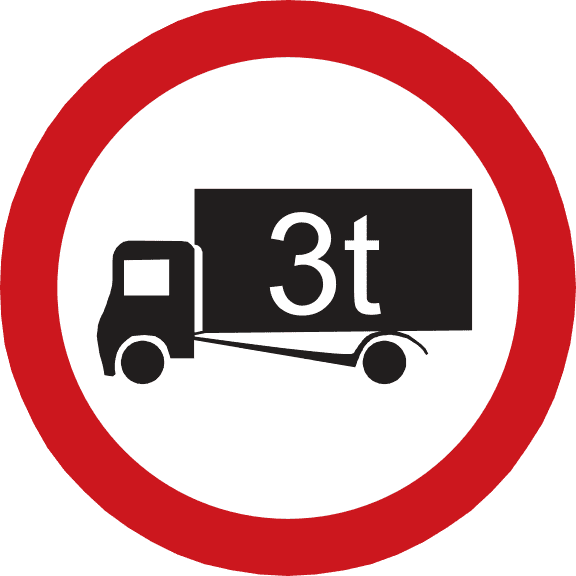
Maximum permitted weight is 3 tonnes.
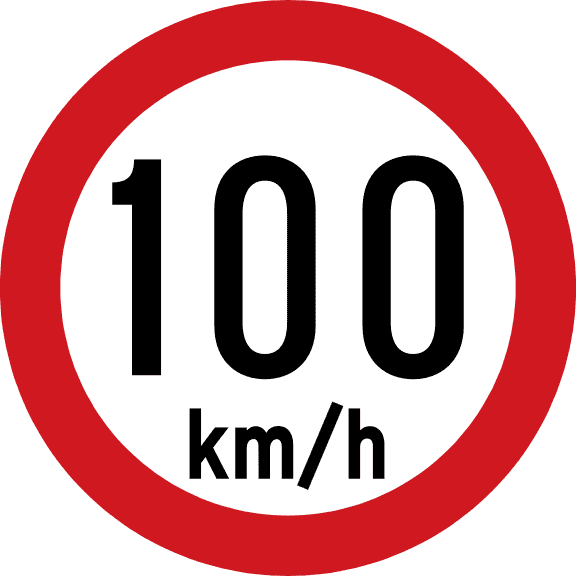
Maximum speed is 100 km/h.
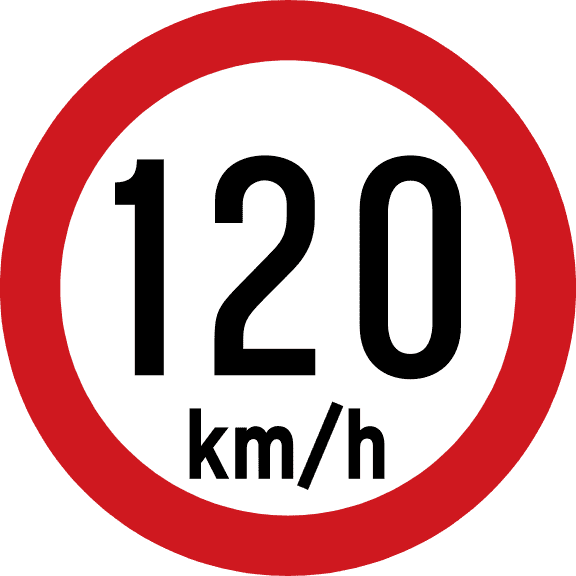
Maximum speed is 120 km/h.
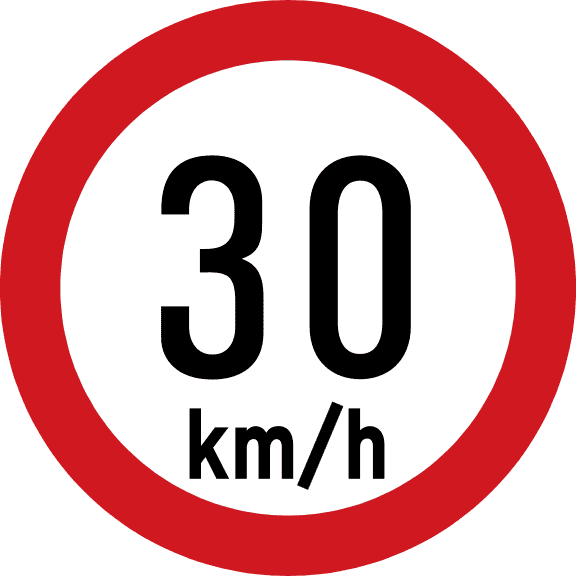
Maximum speed is 30 km/h.
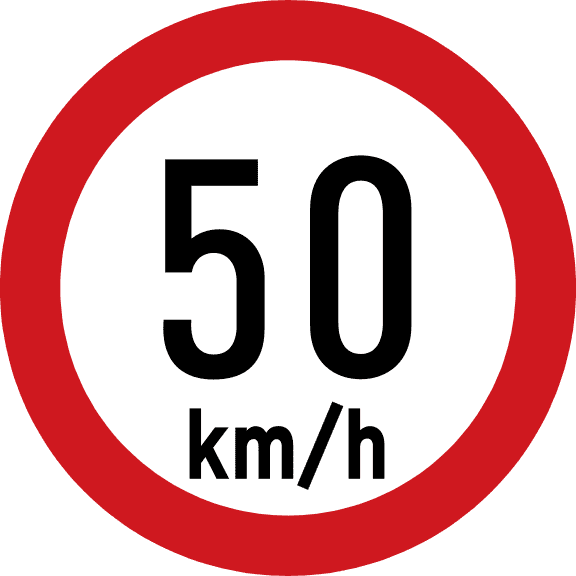
Maximum speed is 50 km/h.
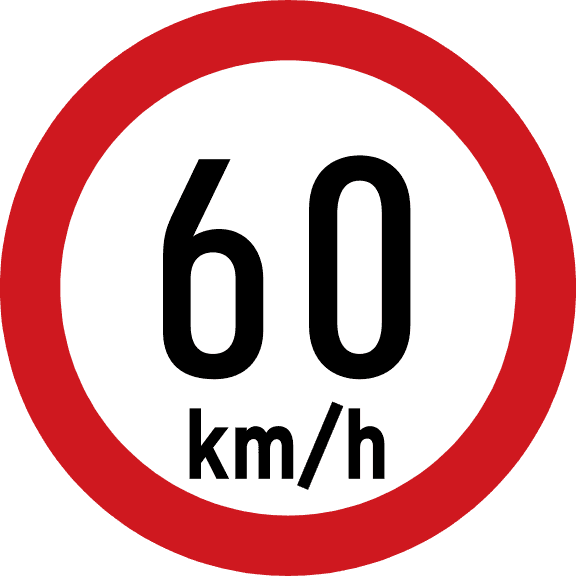
Maximum speed is 60 km/h.
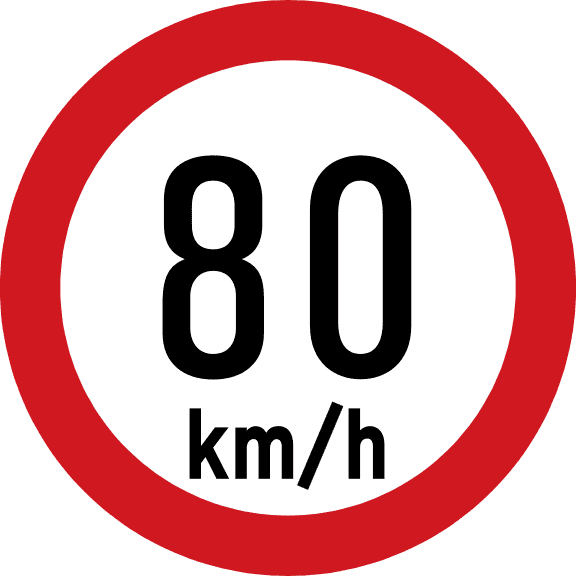
Maximum speed is 80 km/h.
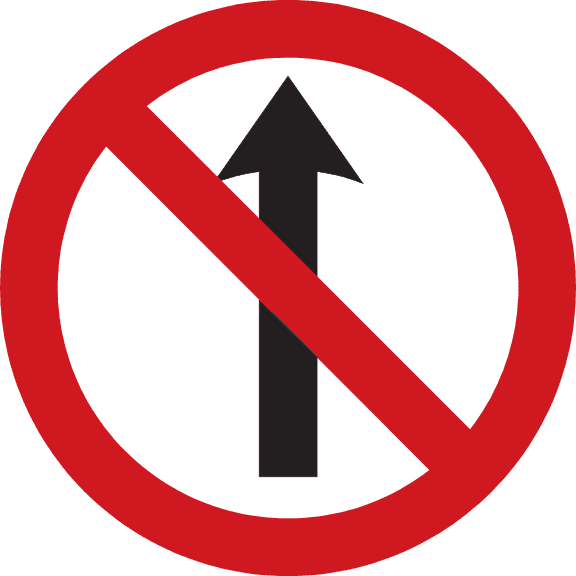
No entry ahead.
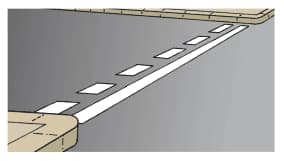
No entry.
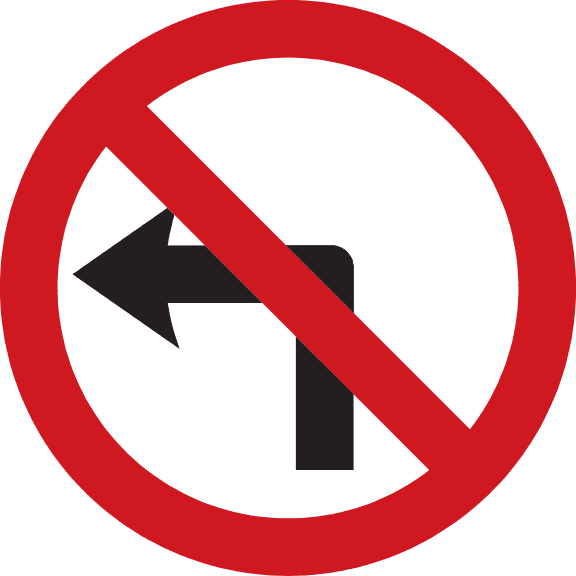
No left turn.
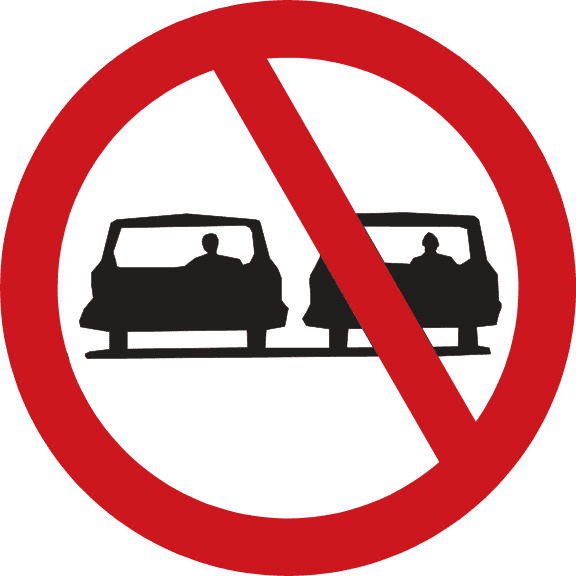
No overtaking.
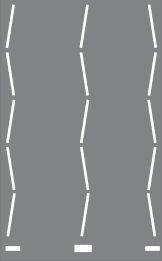
No parking in this area.
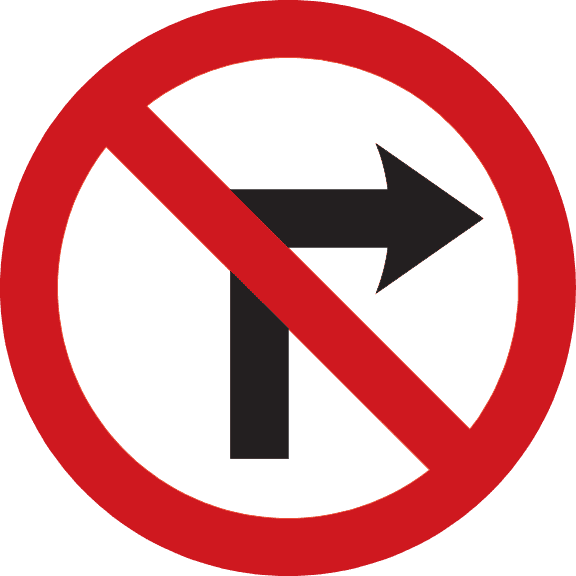
No right turn.
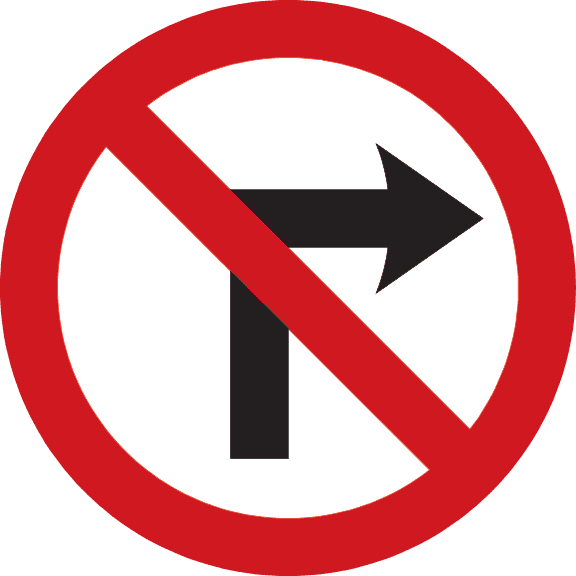
No right turn.
No U-turn allowed.
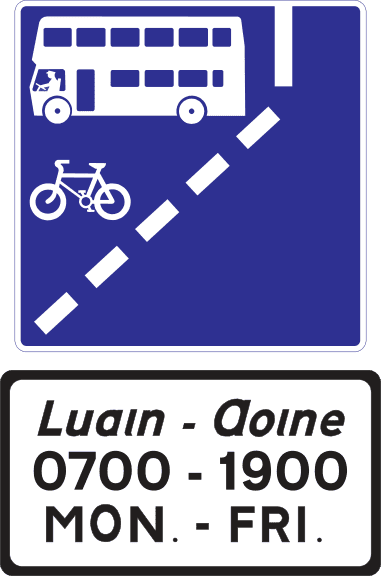
Only buses, cyclists and taxis are allowed to use the lane ahead during the hours indicated.
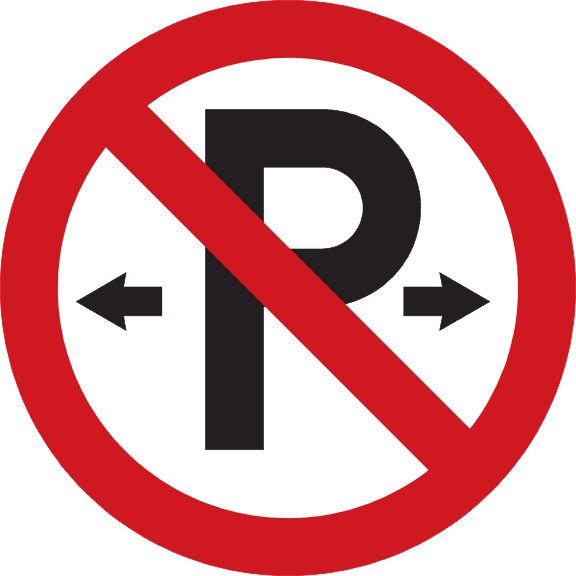
Parking is not allowed.
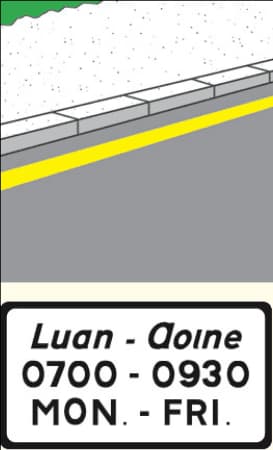
Parking not allowed at the times and days shown.
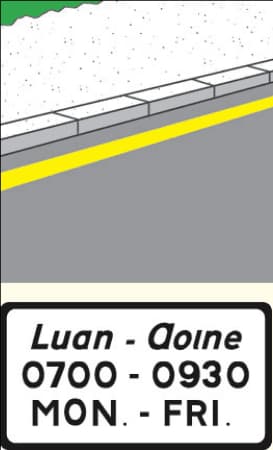
Parking not allowed at the times shown.
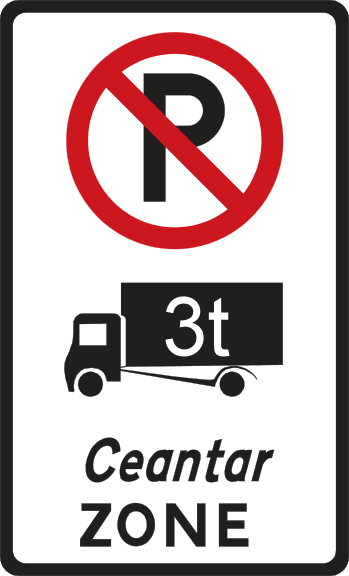
Parking of vehicles exceeding the weight shown is not allowed.
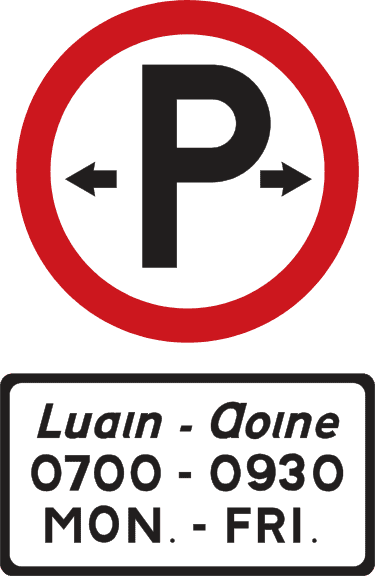
Parking permitted during the times shown.
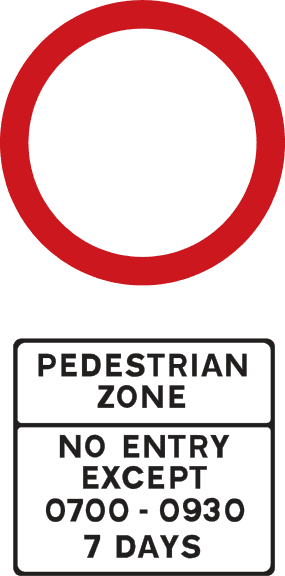
Pedestrianised street ahead - traffic not allowed except during times shown.
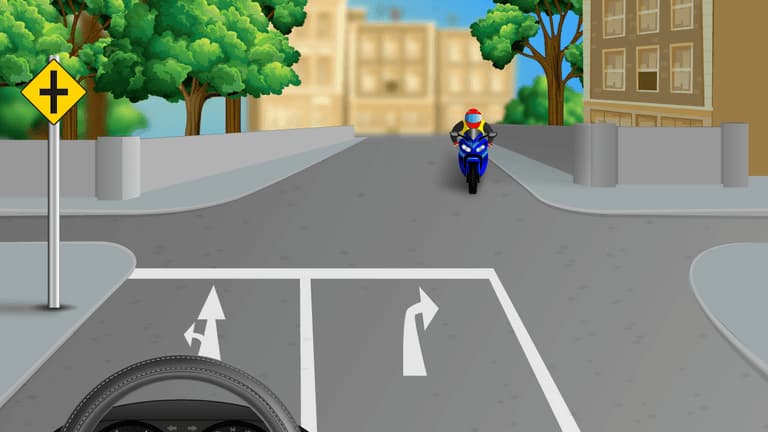
Proceed straight ahead or turn left.
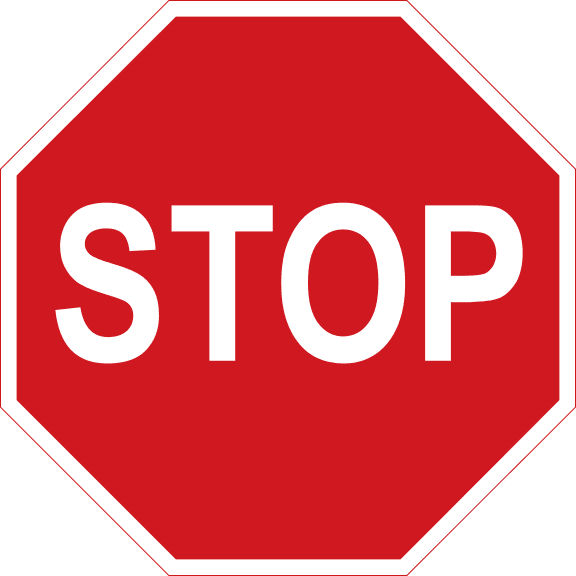
Stop at the sign.
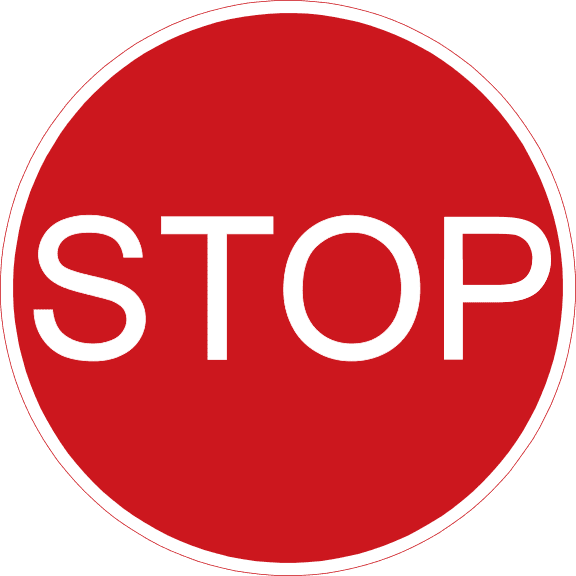
Stop before or at the sign.
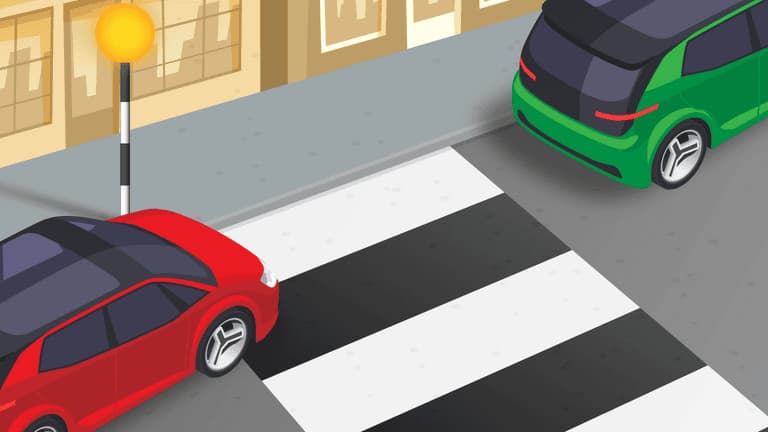
Stop, unless it is unsafe to do so.
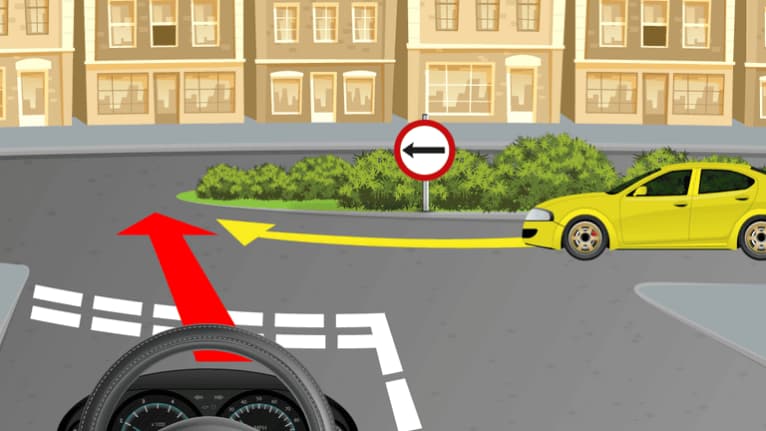
The driver must yield to the yellow car on the roundabout.
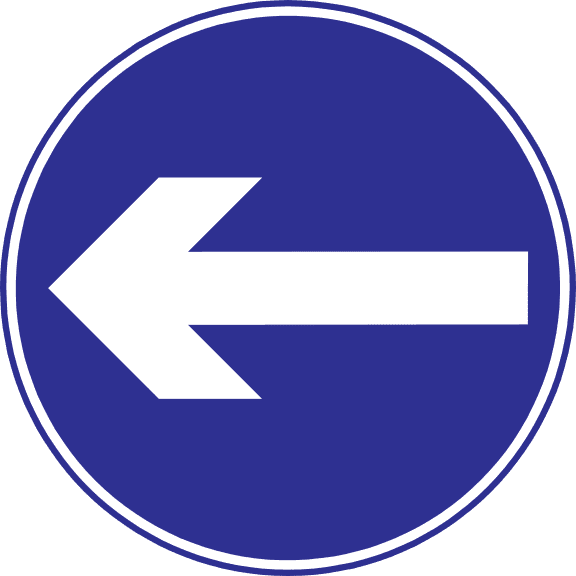
Turn left only.
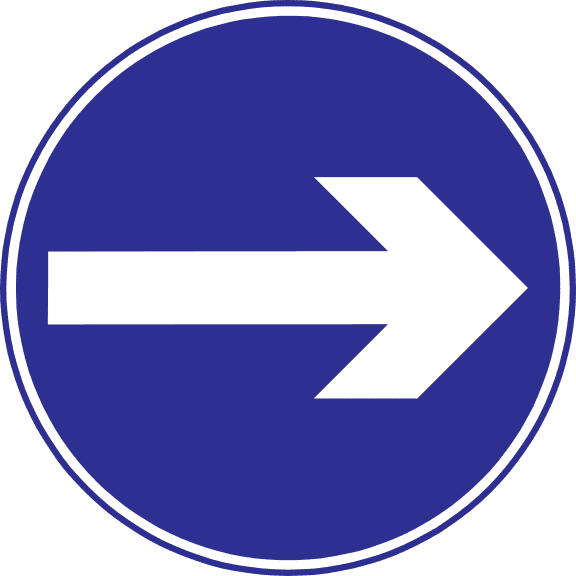
Turn right only.
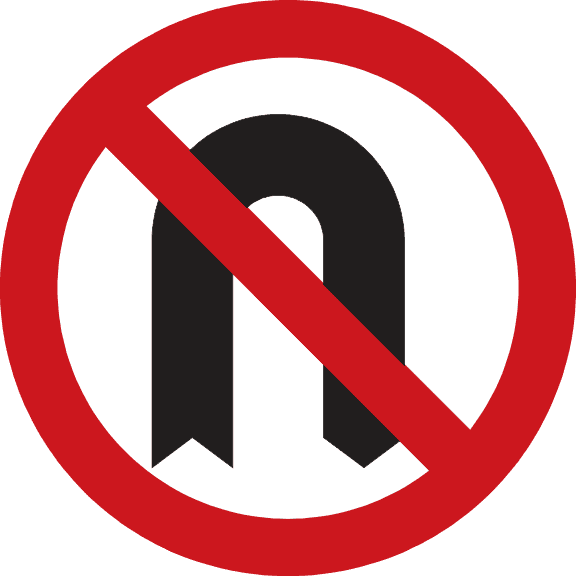
U-turn not permitted.
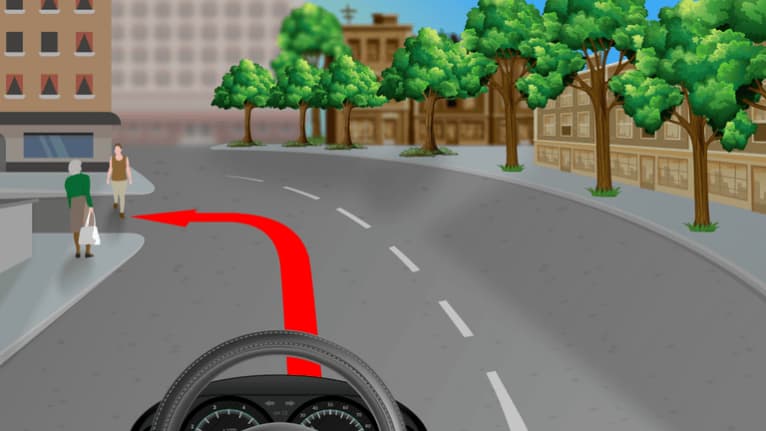
Yield to pedestrians already crossing.
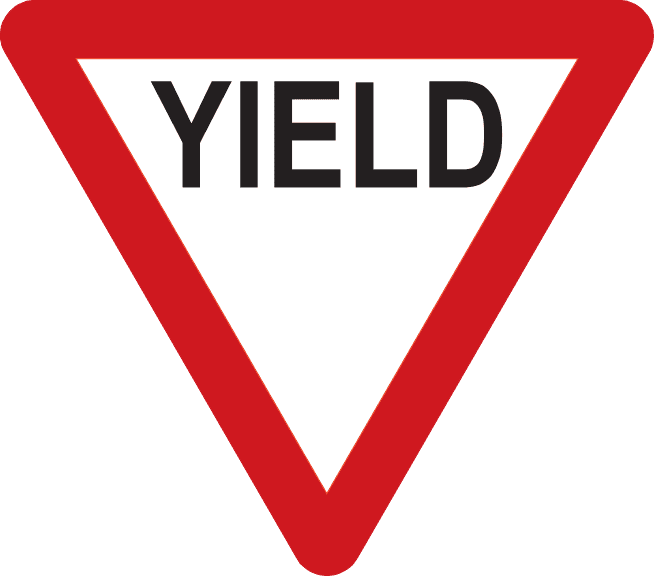
Yield to traffic coming from the right, or already on the roundabout.
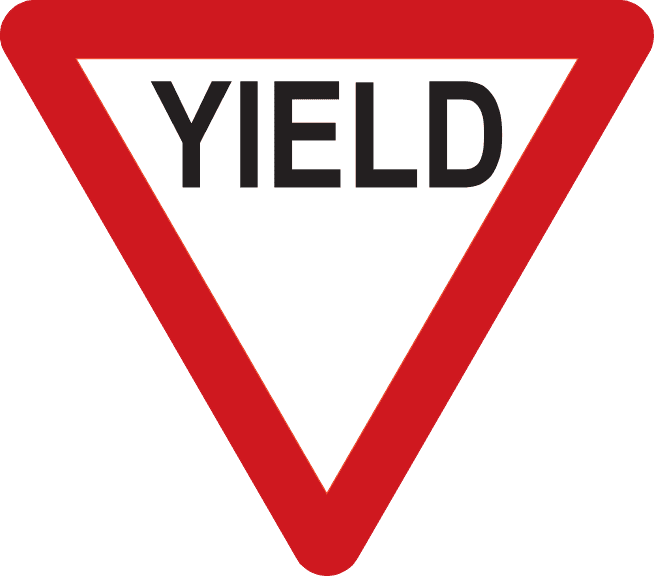
Yield to traffic on the major road.
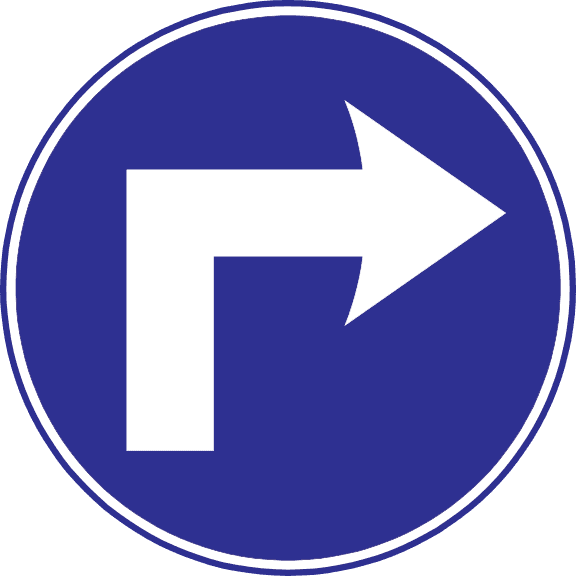
You must turn right ahead.
Know your signs? Test yourself in real exam format.
Practise nowMotorway signs
3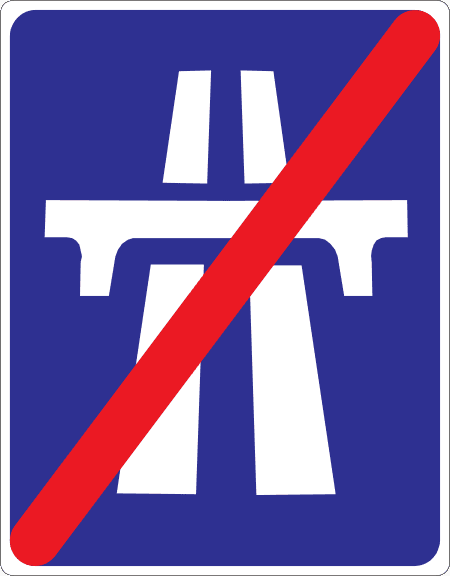
End of motorway.
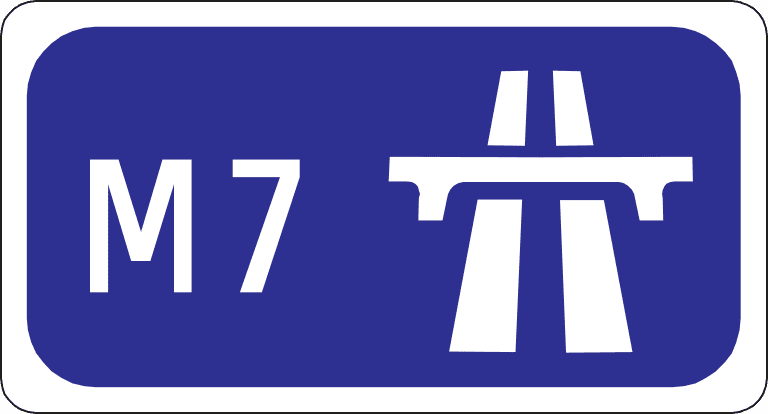
Entry to motorway.
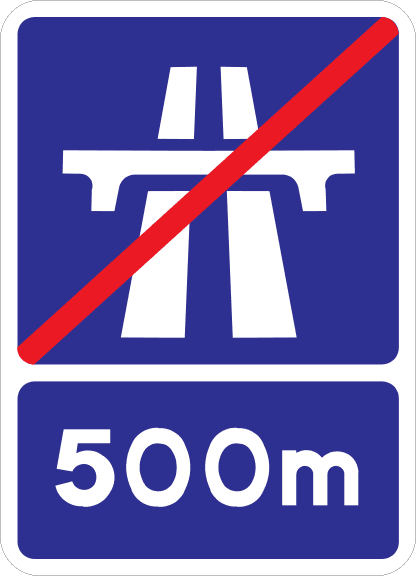
Motorway ends 500 metres ahead.
Information signs
15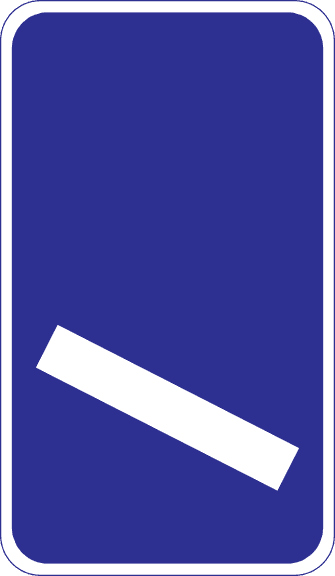
100 metres to the next exit.
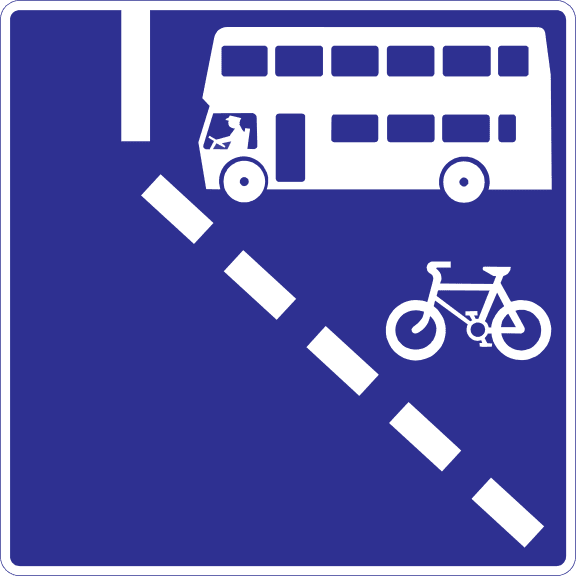
Bus and cycle lane ahead on right.
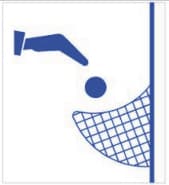
Coin basket in this lane.
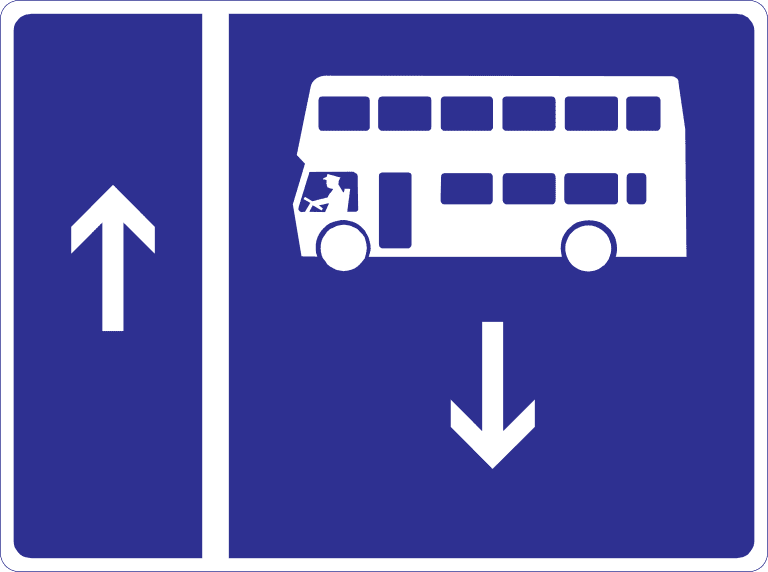
Contra-flow bus lane on the right.
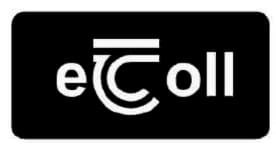
Electronic toll accepted in any lane.
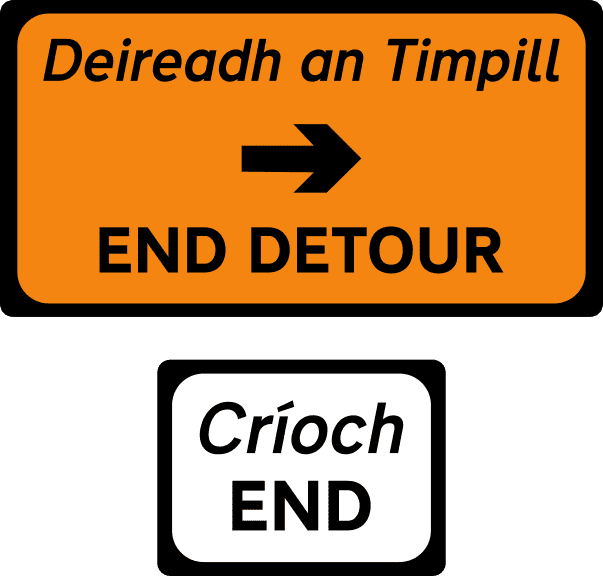
End of detour.
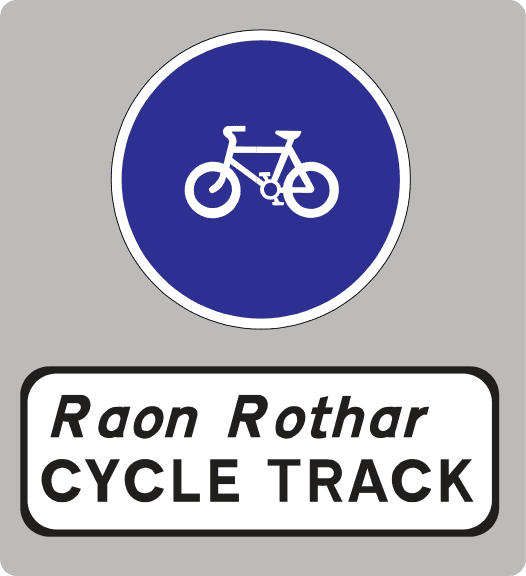
Start of cycle track.
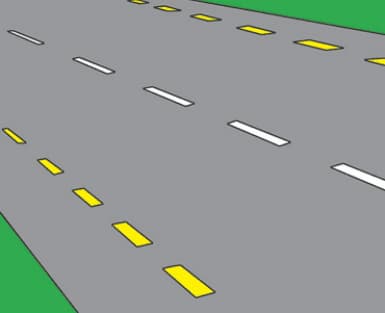
The edge of the carriageway or hard shoulder.
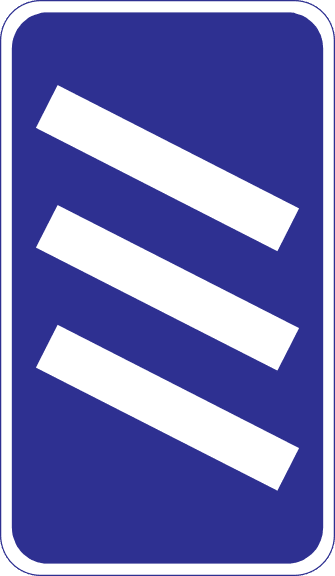
Three hundred meters to the next exit.
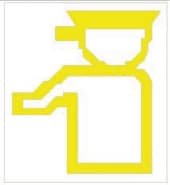
Toll collector operating lane.
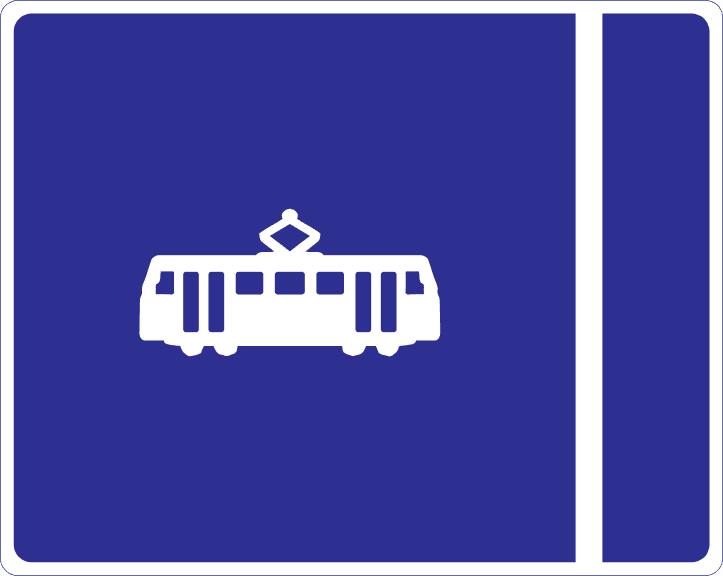
Tram lane on left.
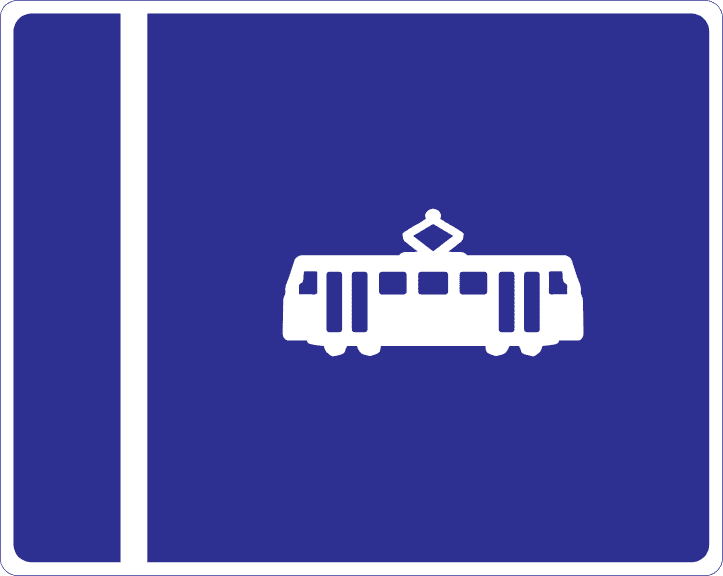
Tram lane on right.
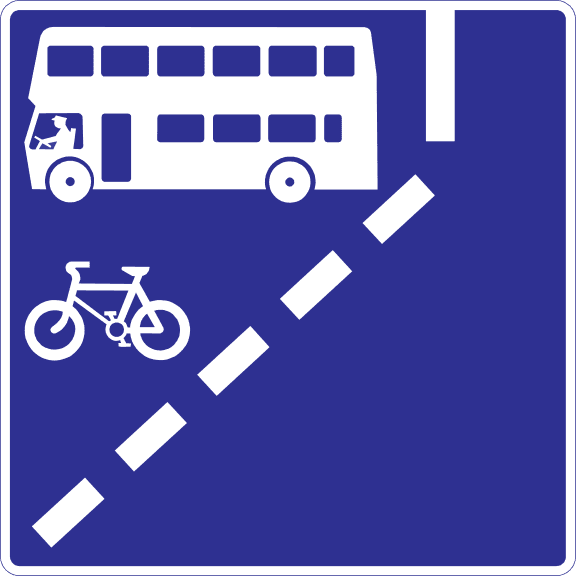
With-flow bus and cycle lane ahead on left.
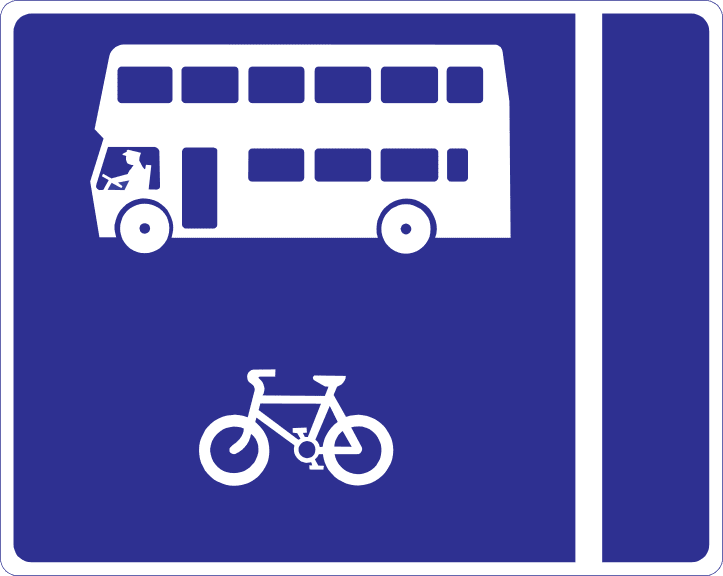
With-flow bus and cycle lane on left.
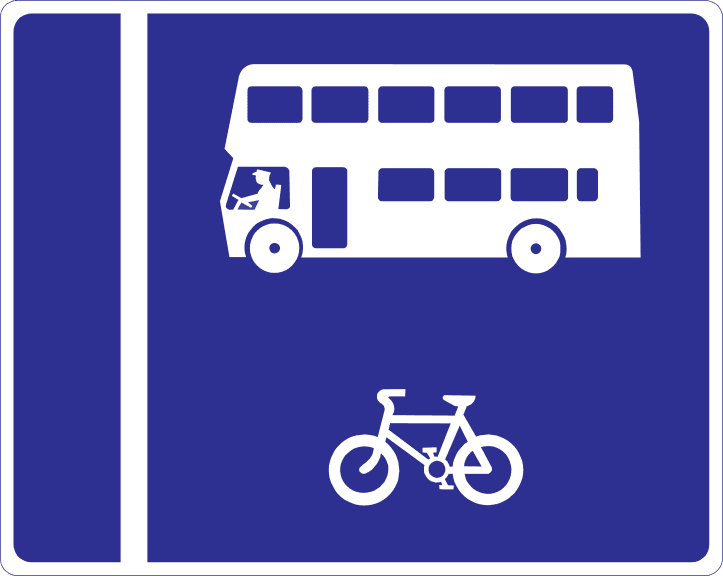
With-flow bus lane on the right.
Know your signs? Test yourself in real exam format.
Practise nowRoad markings
11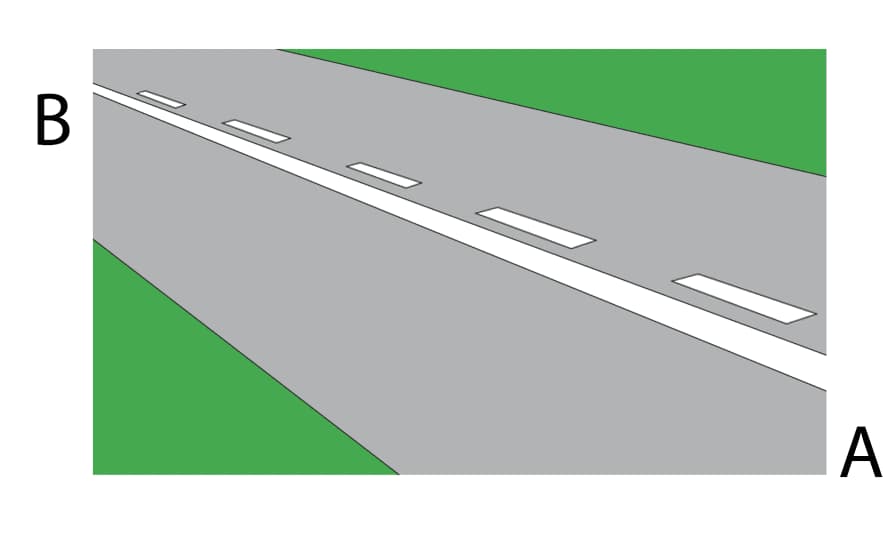
A driver may not cross the lines to overtake.
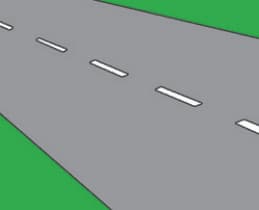
A driver must not cross the broken white line unless it is safe to do so.
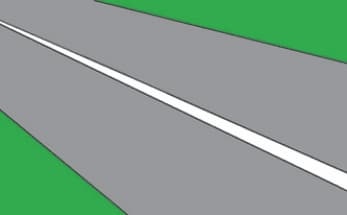
All traffic must keep to the left of the white line.
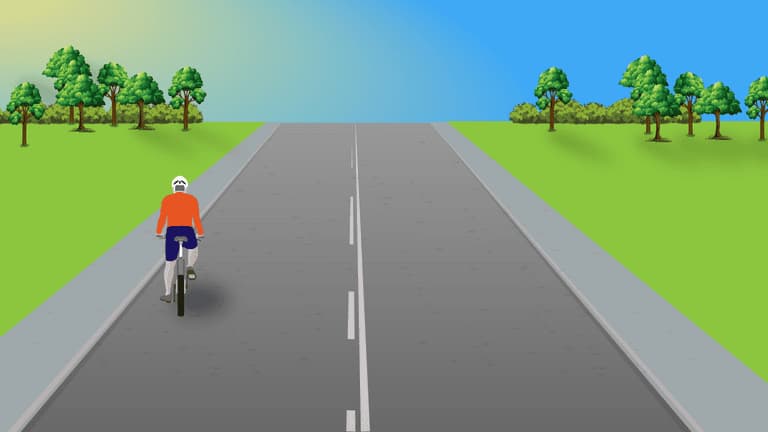
By crossing the broken white line.
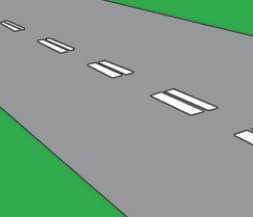
Continuous white lines ahead.
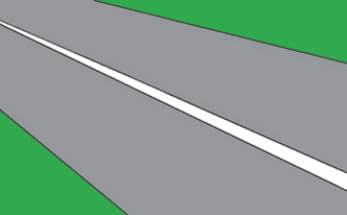
Drivers must keep left of the continuous white line.
End of central reserve or obstruction.
Start of central reserve or obstruction.
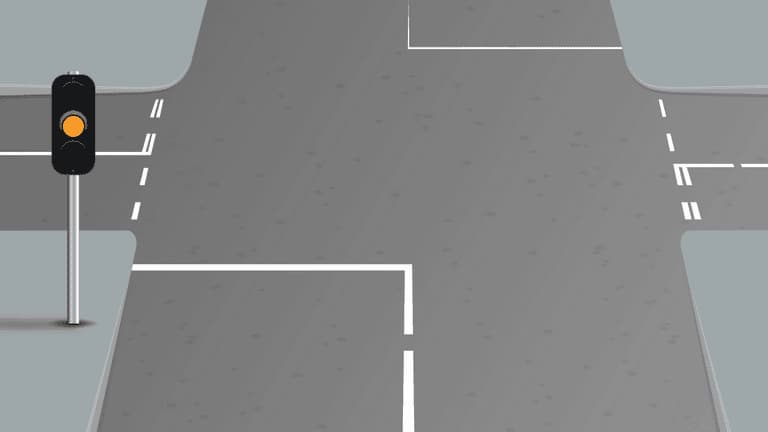
Stop at the line unless it is not safe to do so.
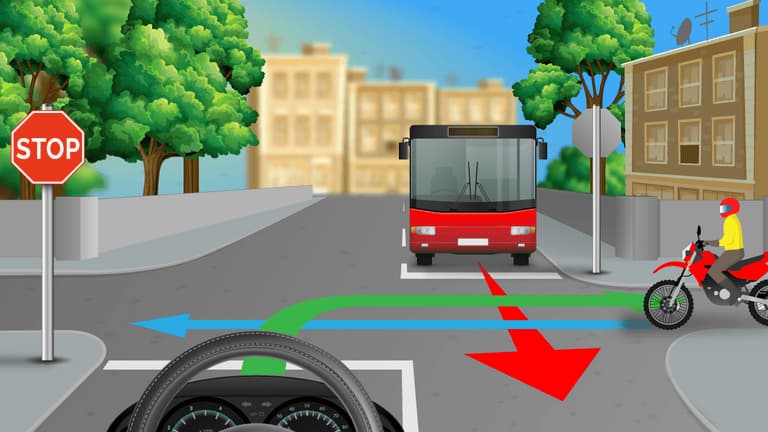
Stop at the line.
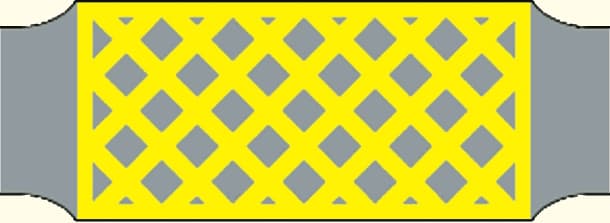
Traffic must not enter unless they can clear the box junction without stopping, or when turning right.
Other signs
69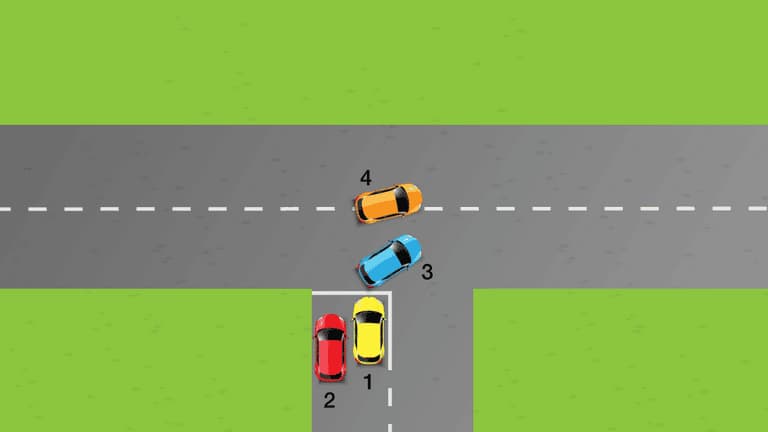
1
3
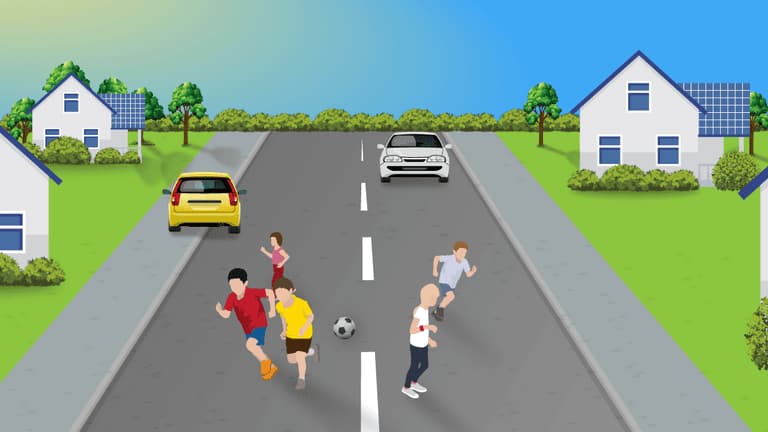
A child could turn back to collect the ball from the roadway.
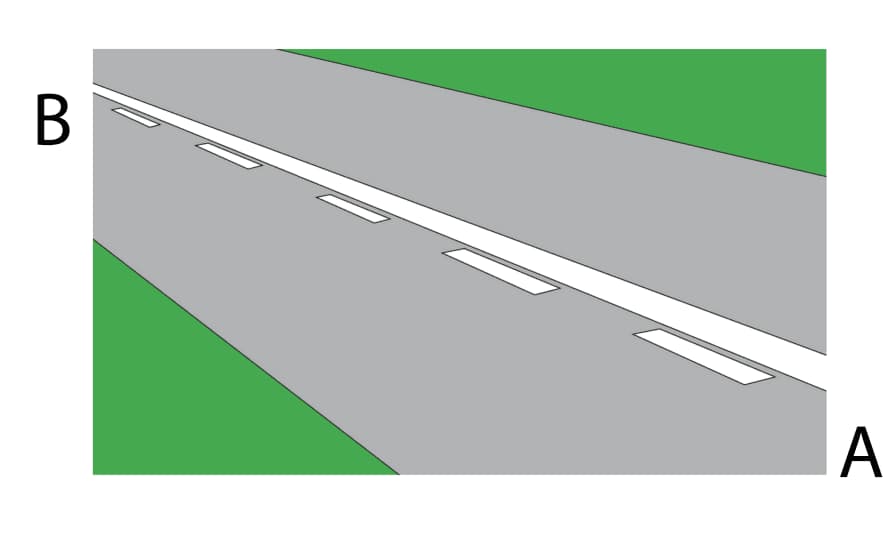
A driver may overtake if it is safe to do so.
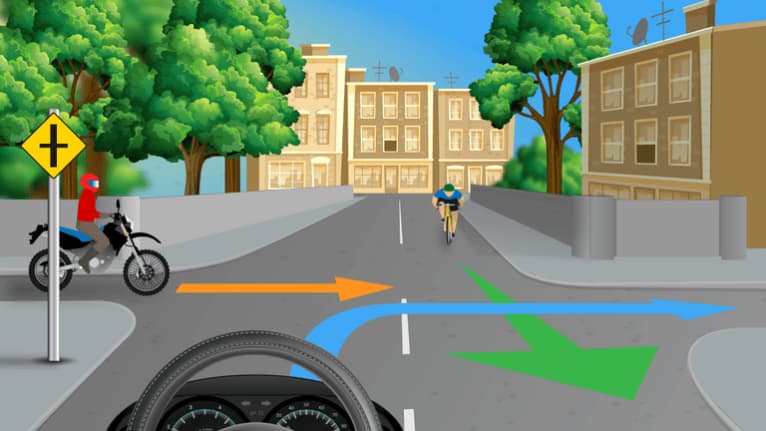
A driver may proceed with caution.
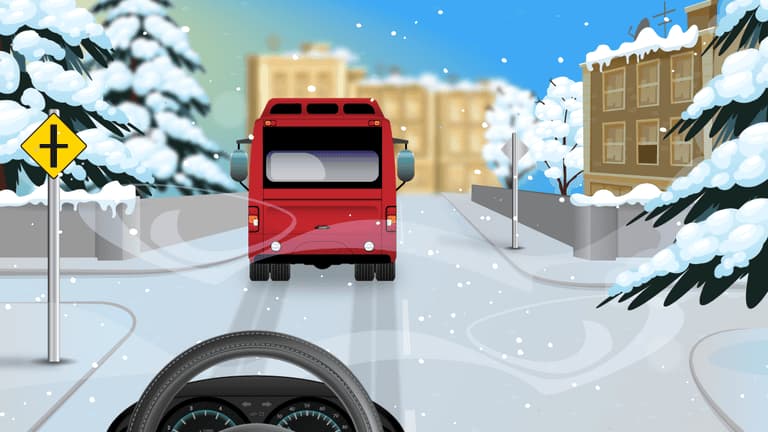
A longer braking distance is required.
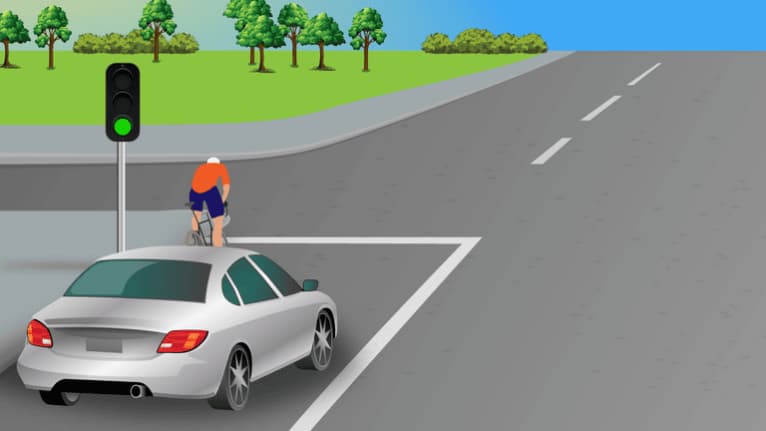
Allow the cyclist heading straight on to pass.
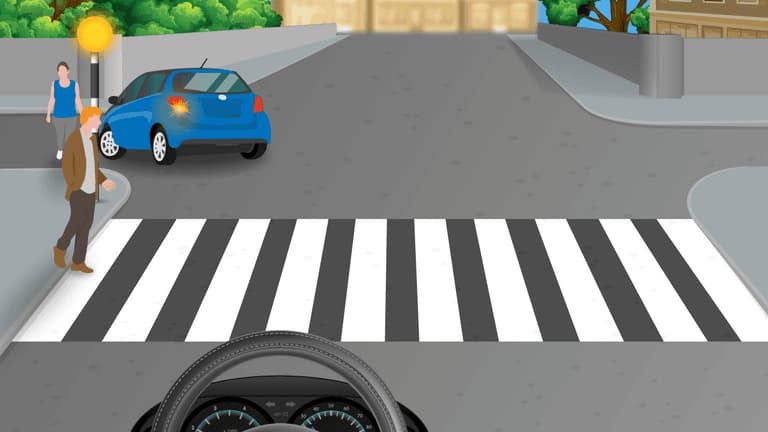
Allow the pedestrian to cross the road.
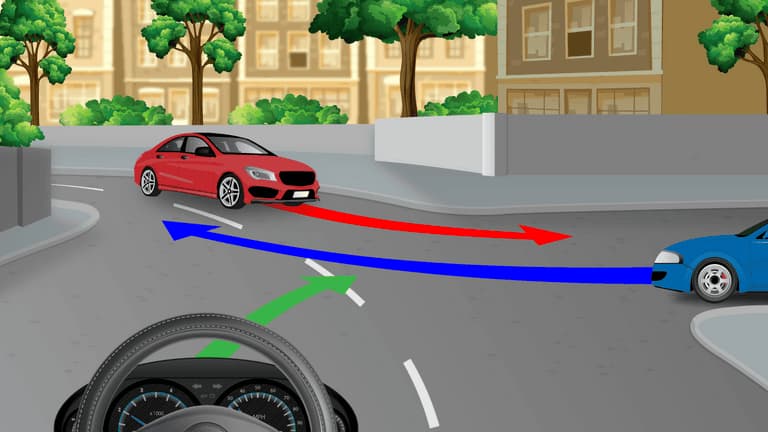
Allow the red car to proceed.
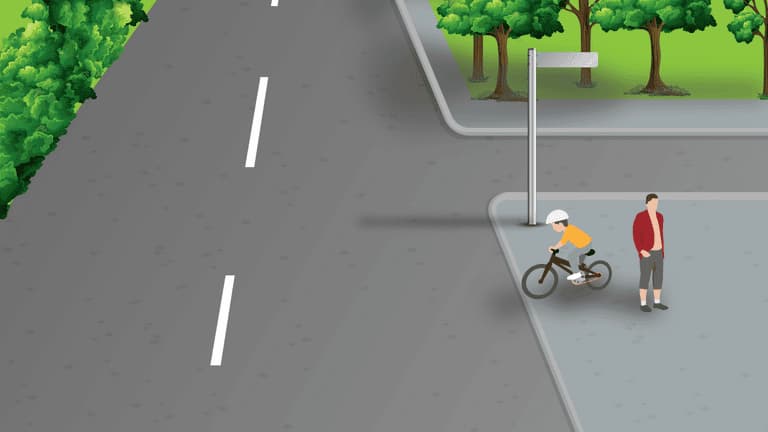
Be prepared for the boy setting off at any moment.
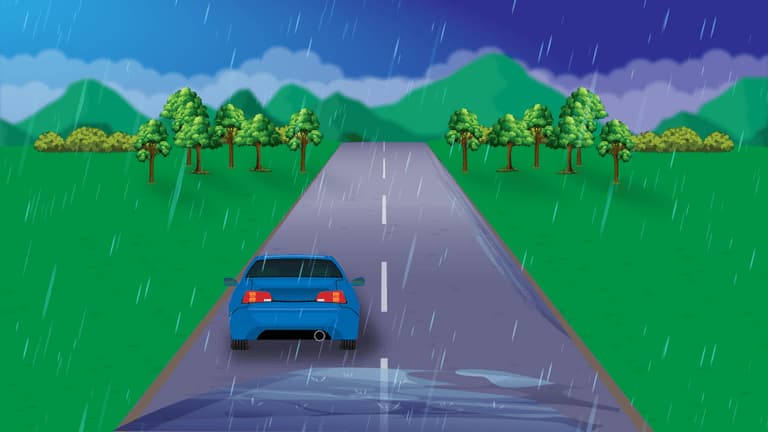
Because wheel-spray may impair visibility.
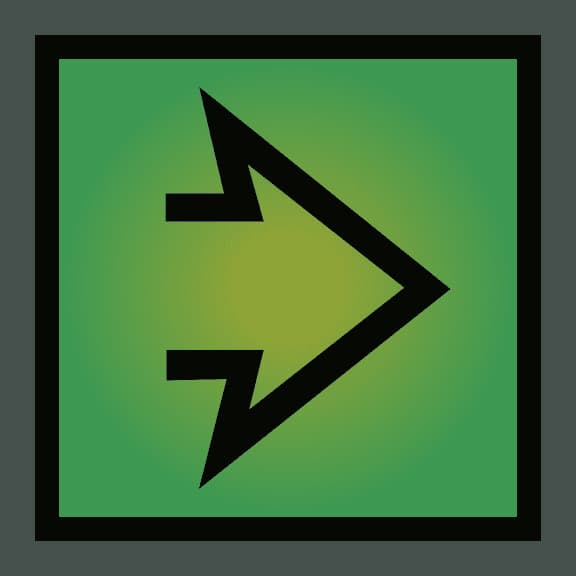
Directional indicator on.
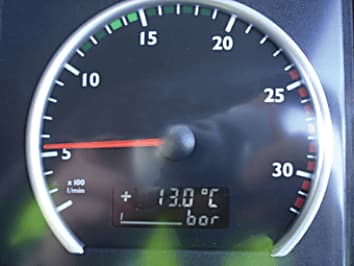
Engine revolution.
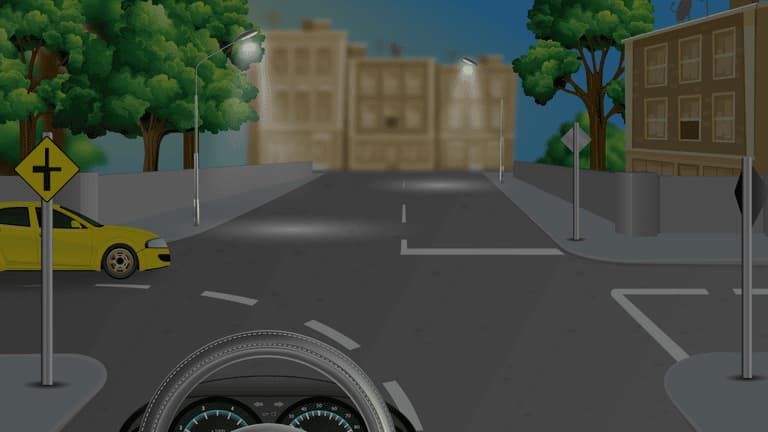
It may be difficult to make out poorly lit vehicles in the dark areas.
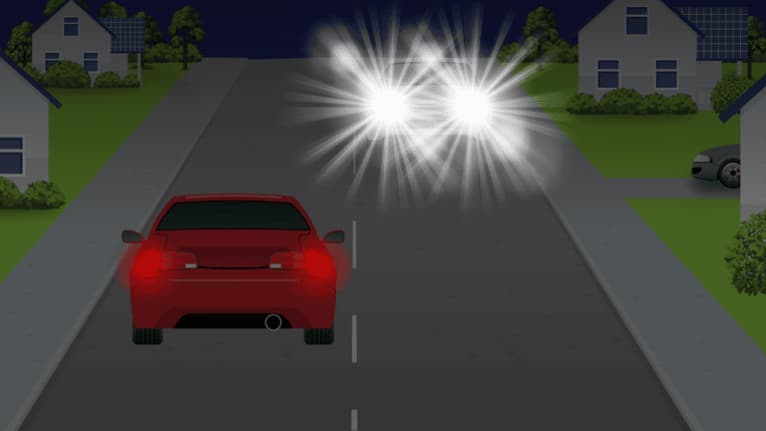
Look to the left-hand edge (nearside) of the roadway and slow down if necessary.
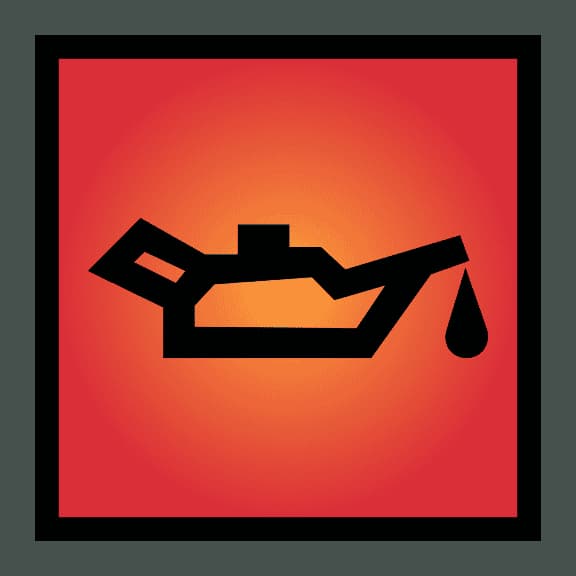
Low engine oil level.
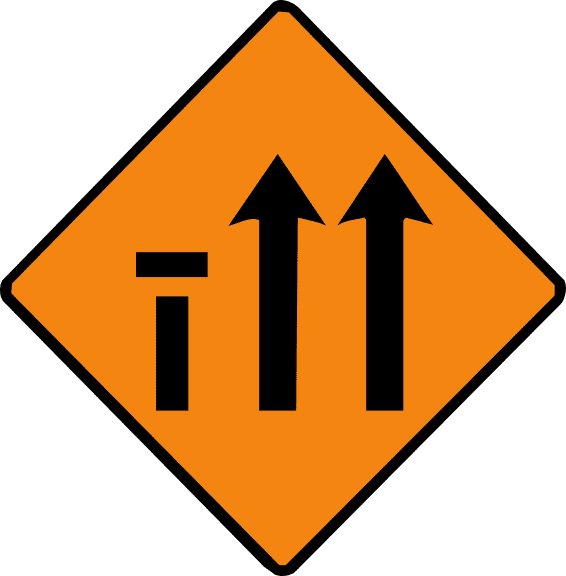
Nearside lane of three closed.
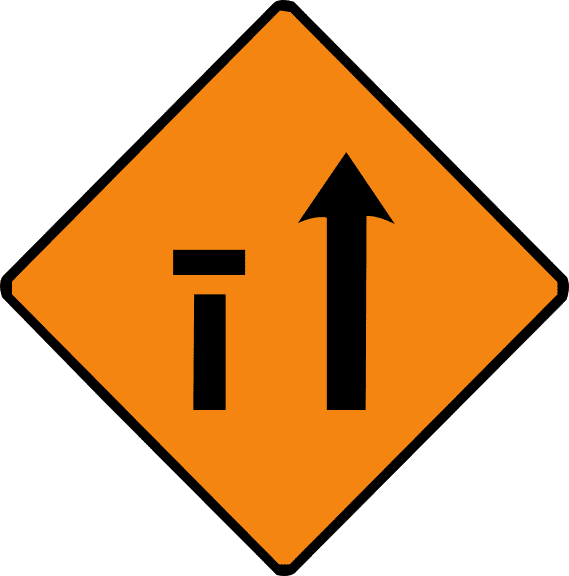
Nearside lane of two closed.
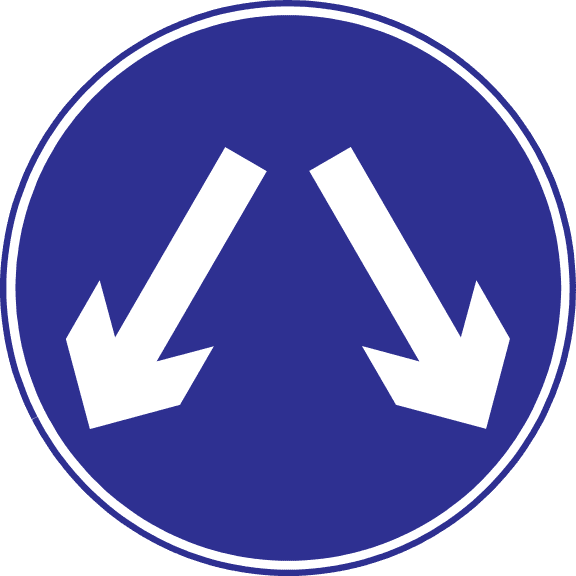
Pass either side.
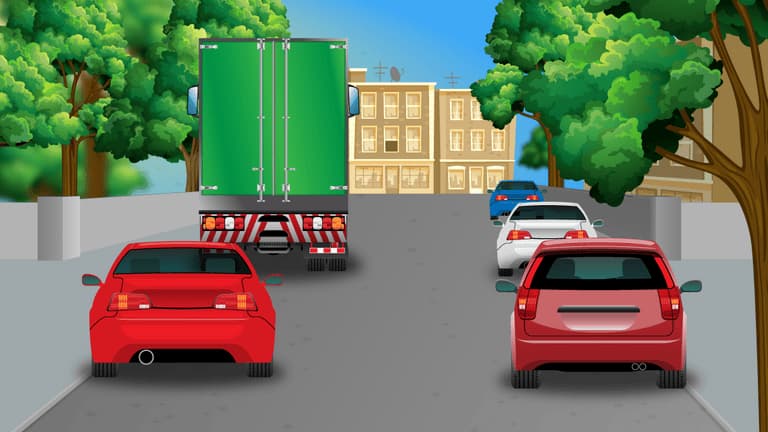
Pedestrians crossing between the vehicles.
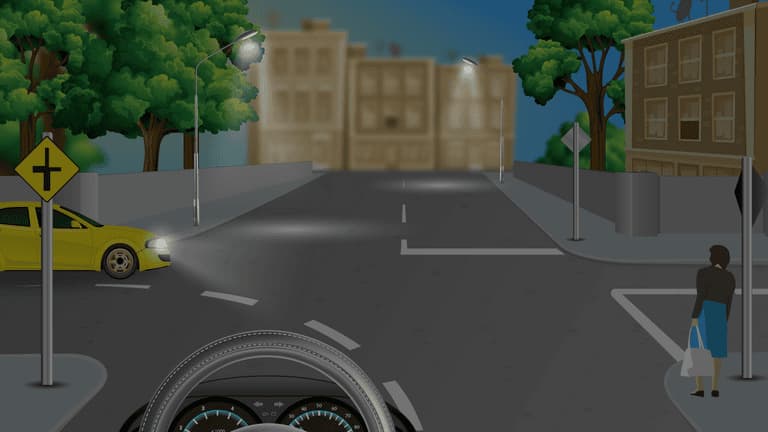
Pedestrians crossing in a dark area might be difficult to see.
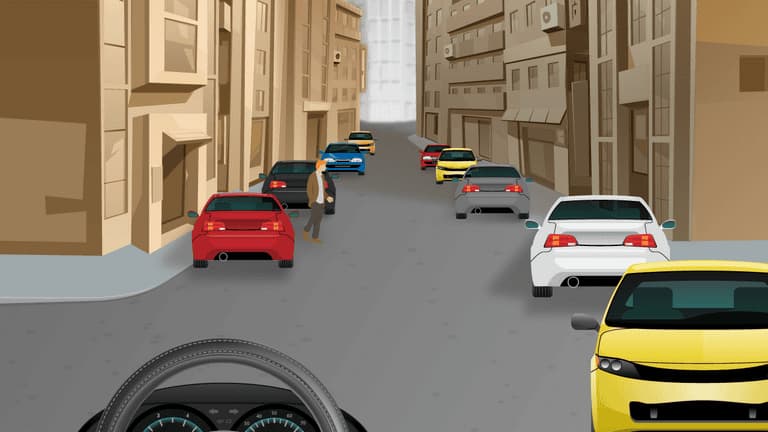
Pedestrians may cross between parked cars.
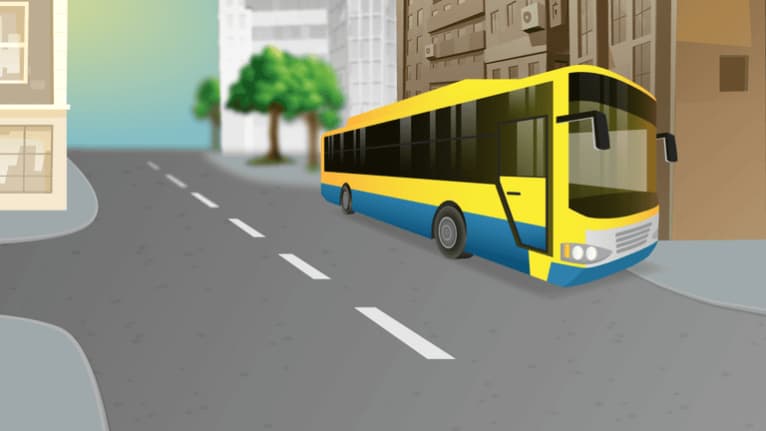
People crossing the street at the rear of the bus.
Proceed with caution.
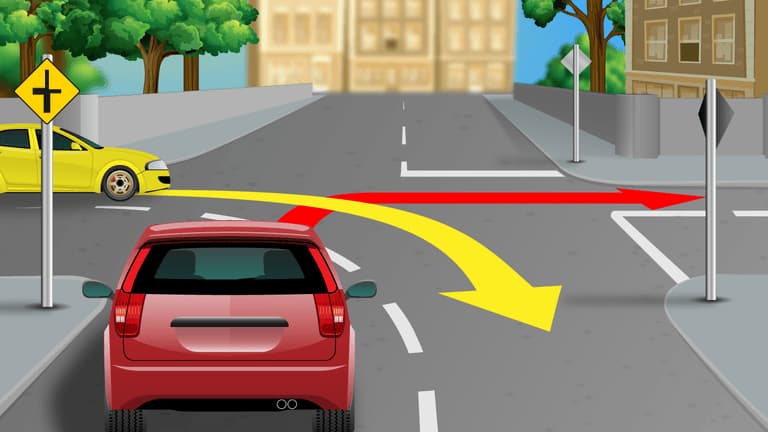
Reduce speed and prepare to stop if necessary.
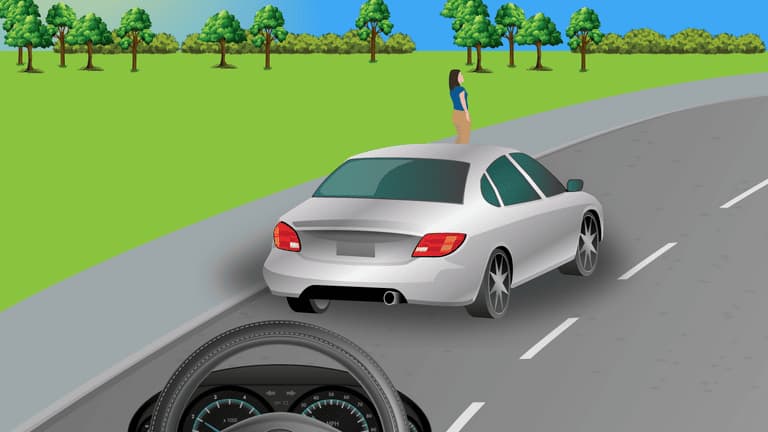
Reduce speed and remain ready to brake since the girl on the footpath could suddenly cross the road.
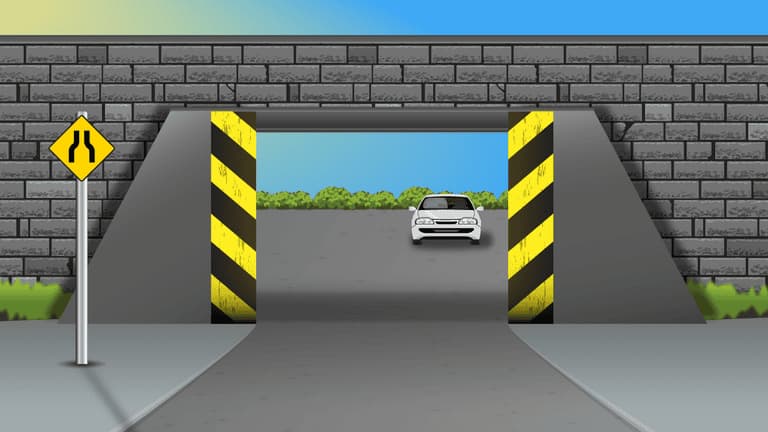
Reduce speed and stop if necessary.
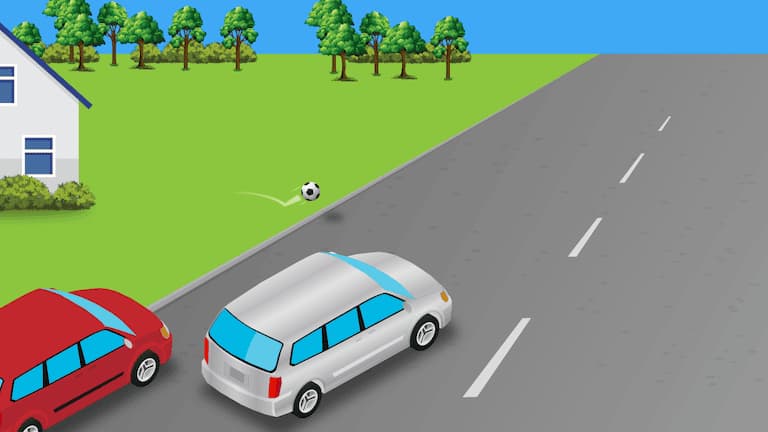
Reduce speed considerably and be ready to stop.
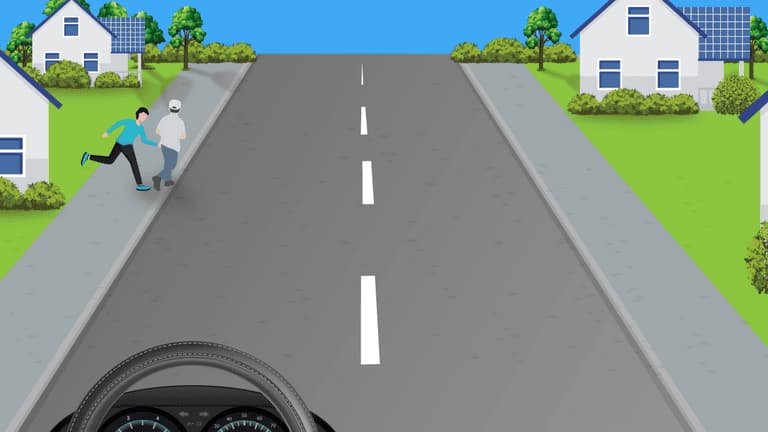
Reduce speed, drive cautiously and remain ready to brake.
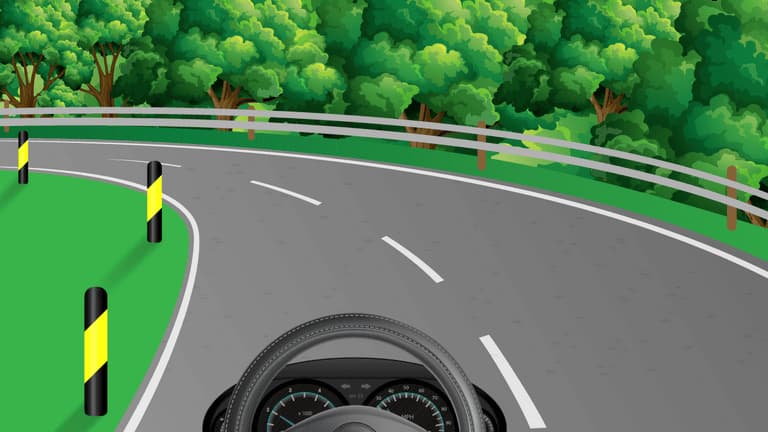
Slowing down and being prepared to react.
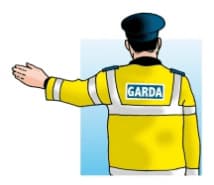
Stop if approaching from behind.
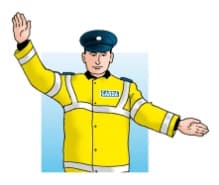
Stop if approaching from either the front or behind.
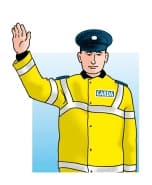
Stop if approaching from the front.
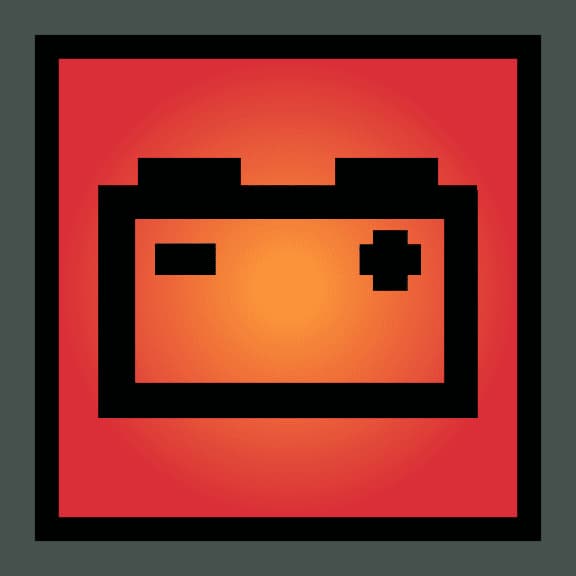
The battery is not charging.
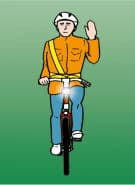
The cyclist intends to go straight on.
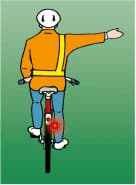
The cyclist intends to move out or turn right.
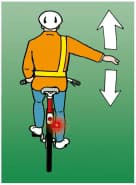
The cyclist intends to slow down or stop.
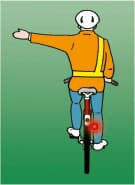
The cyclist intends to turn left.
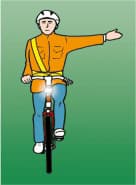
The cyclist intends to turn left.
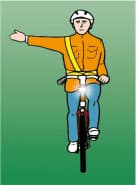
The cyclist intends to turn right.
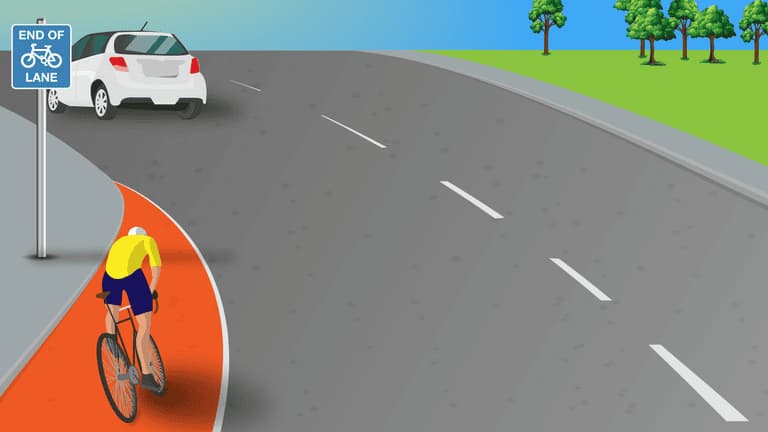
The cyclist may move onto the roadway without paying attention to moving traffic.
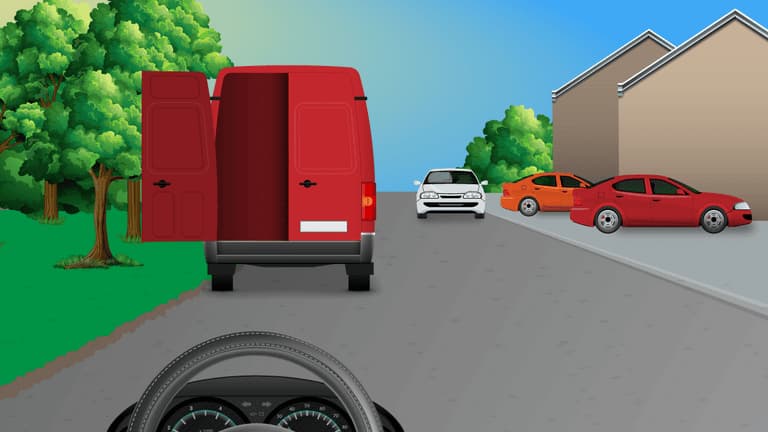
The driver behind the stopped van should wait.
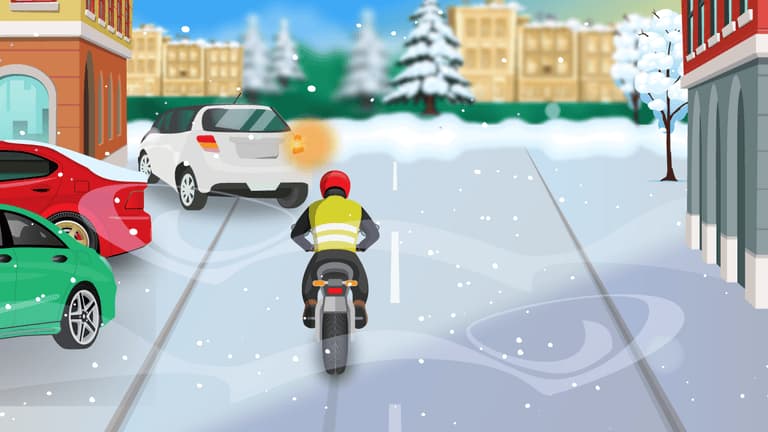
The driver following the motorcycle may need a longer braking distance than normal.
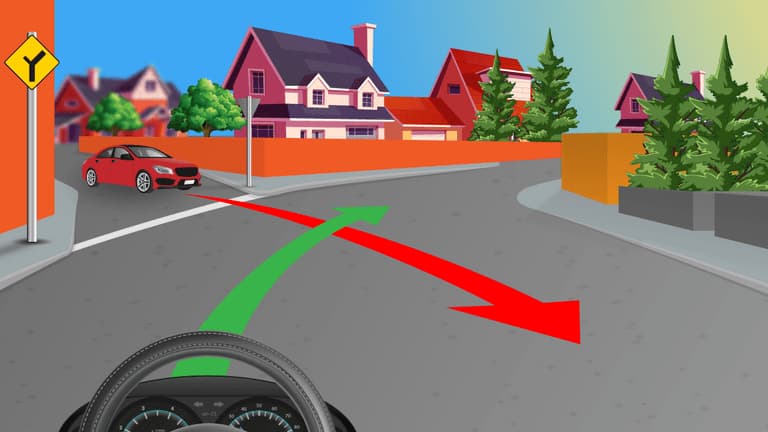
The driver in the red car should wait.
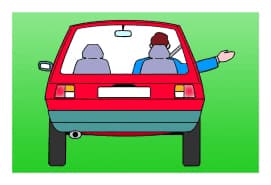
The driver intends to move out or turn right.
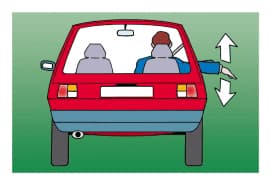
The driver intends to slow down or stop.
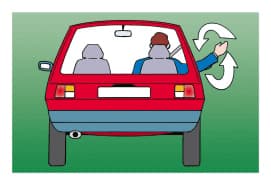
The driver intends to turn left.
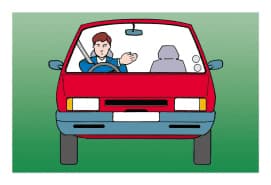
The driver intends to turn left.
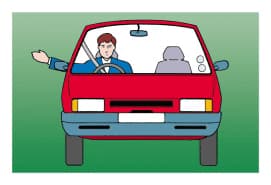
The driver intends to turn right.
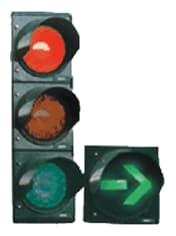
The driver may proceed in the direction of the green arrow if the way is clear.
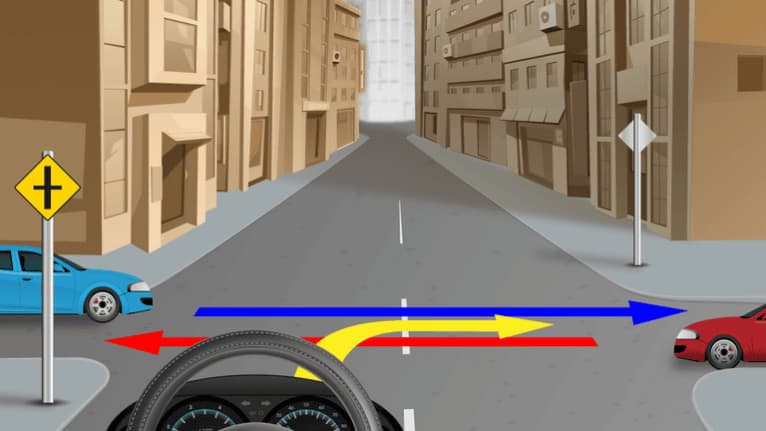
The driver may turn in front of the other two cars.
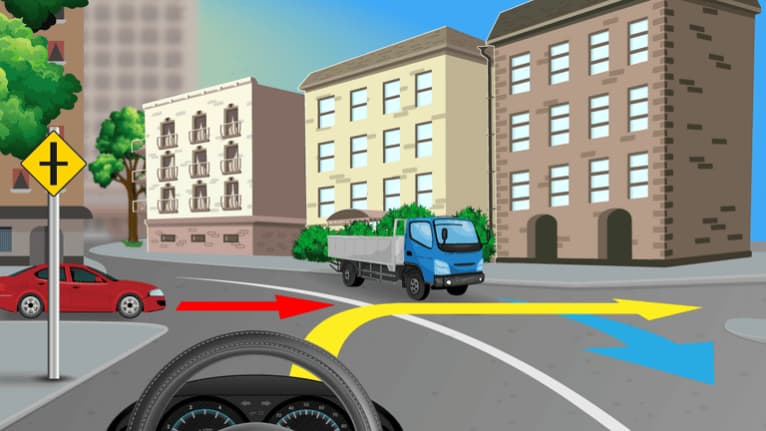
The driver may turn right.
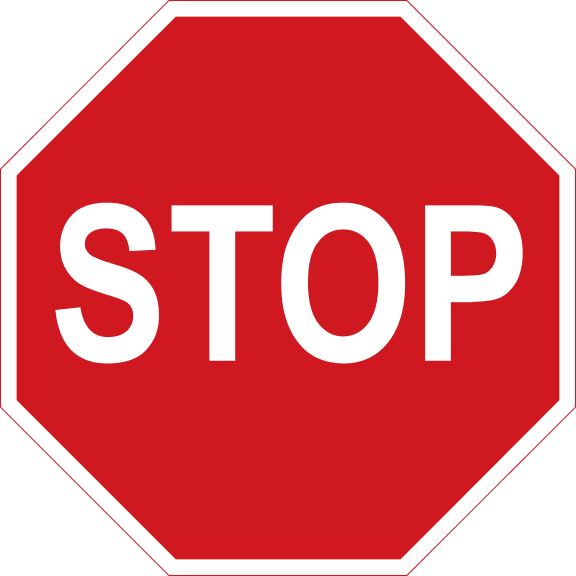
The driver must stop their vehicle.
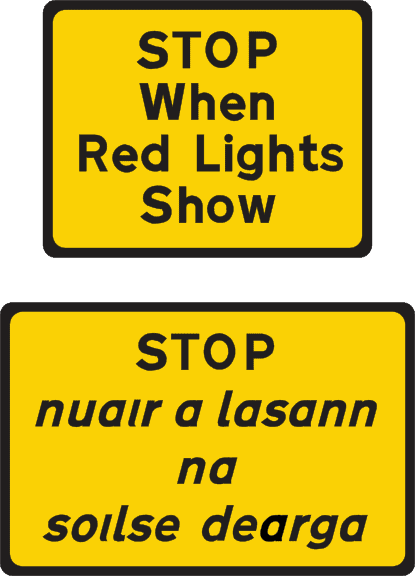
The driver must stop when red lights show.
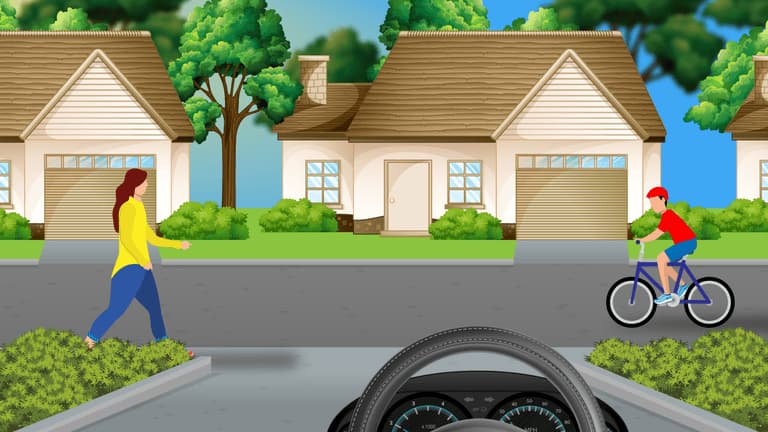
The driver must wait.
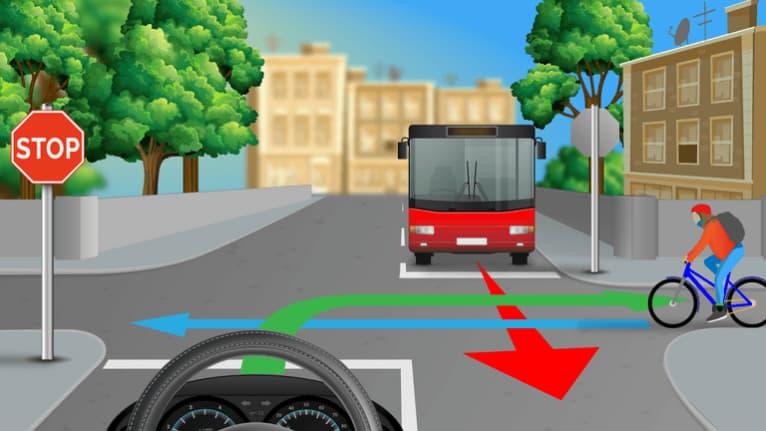
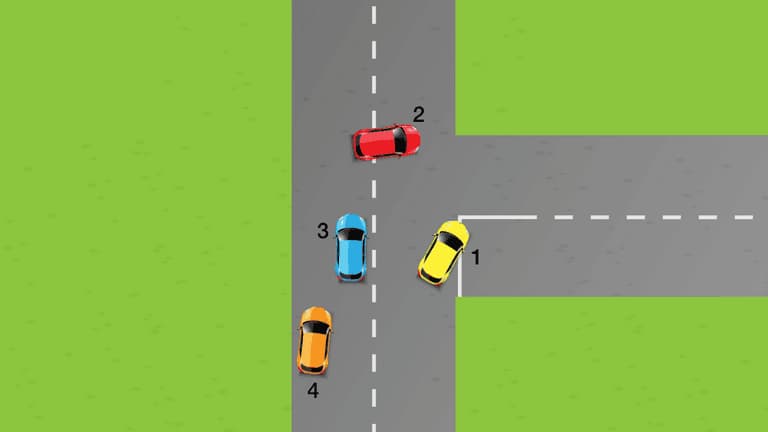
The driver should allow the yellow car to proceed.
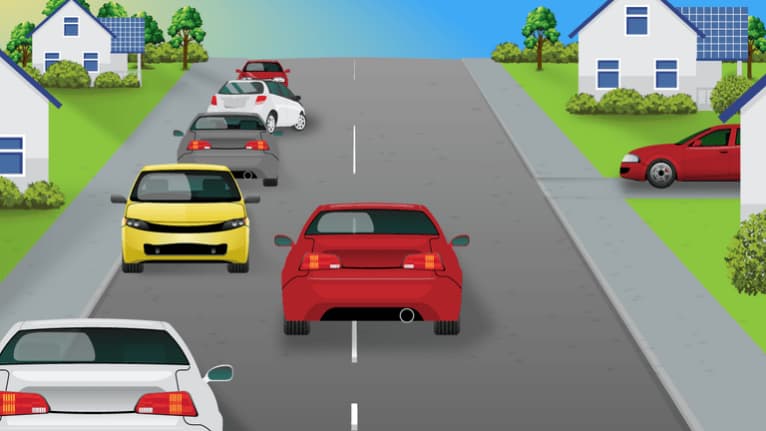
The driver’s field of view is not good enough to allow safe overtaking.
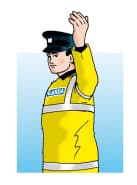
The Garda is beckoning on traffic approaching from either side.
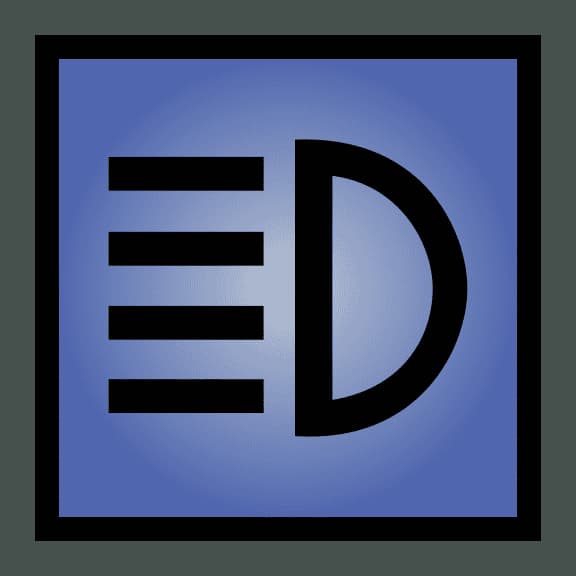
The high-beam headlights are switched on.
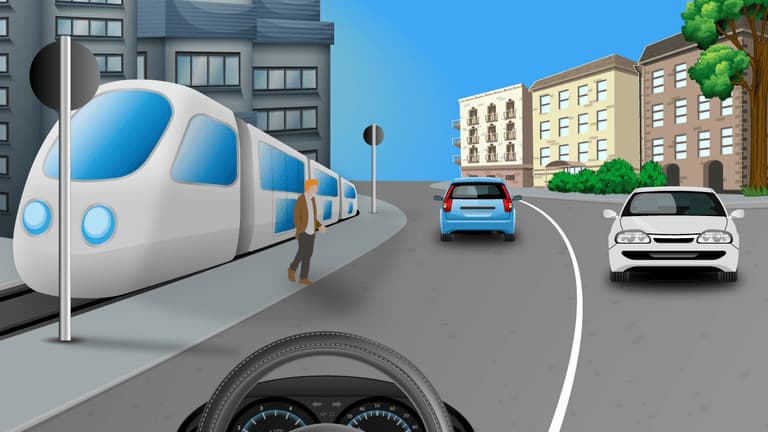
The pedestrian may leave the traffic island without paying attention.
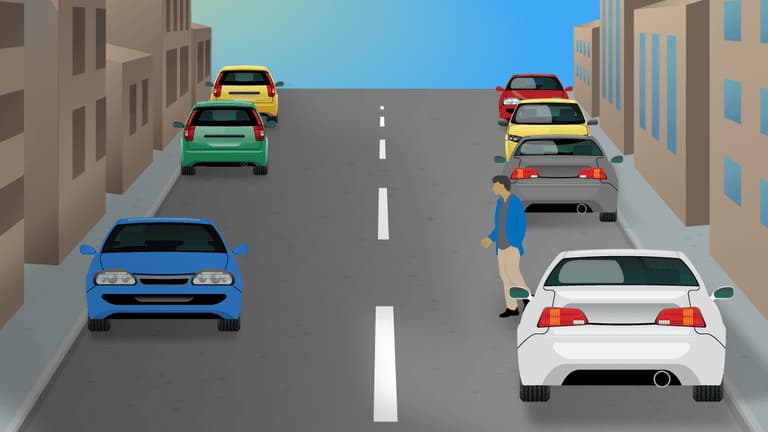
The pedestrian may suddenly cross the road in front of the vehicle.
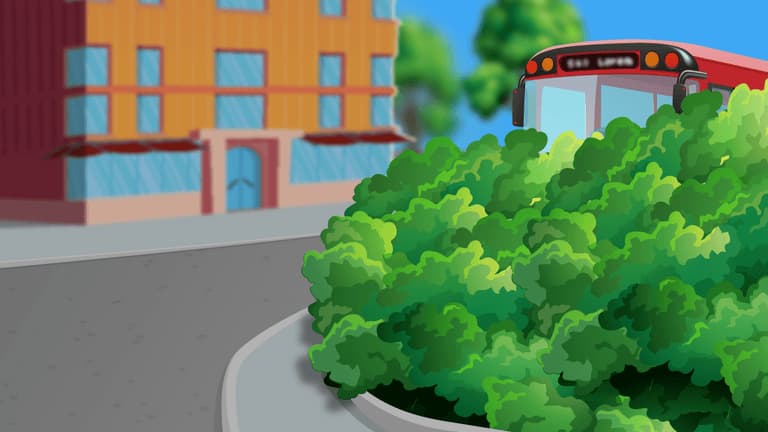
There may be a car hidden from view in front of the bus.
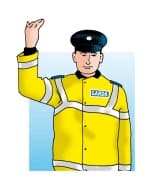
Traffic approaching from the front may proceed.
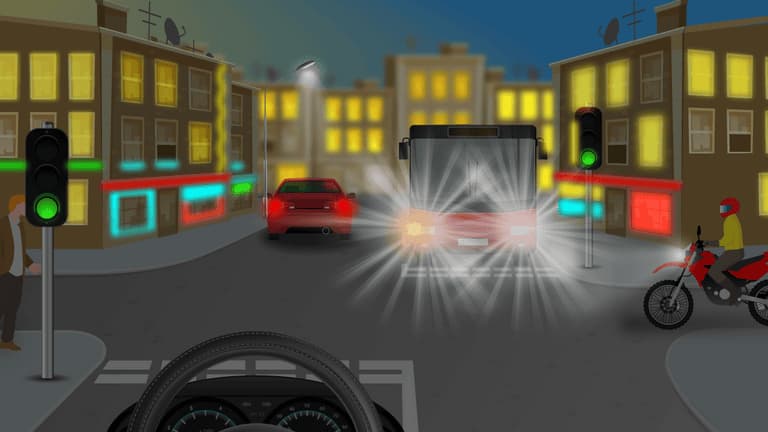
Traffic lights may be difficult to distinguish from the other bright lights.
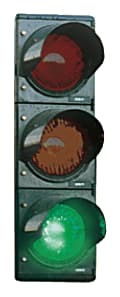
Traffic may proceed if the way is clear.
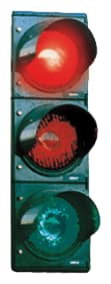
Traffic must stop at the traffic light.
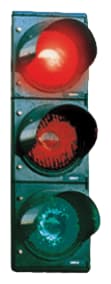
Traffic must stop at the traffic light.
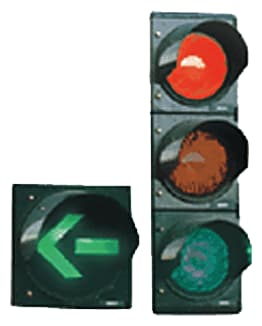
Traffic turning left may proceed if the way is clear.
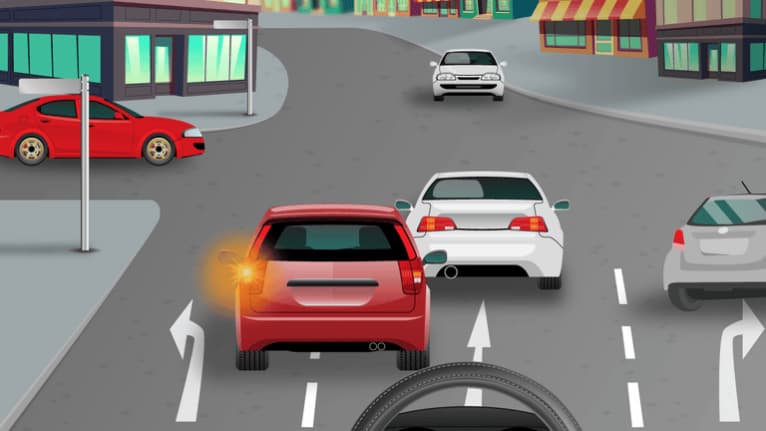
Wait and allow the oncoming vehicle to pass.
Ready to test your road sign knowledge?
Practise these signs in real quiz format with instant feedback