Regulatory road signs in Ireland
Regulatory signs give orders you must obey, from speed limits and yield signs to prohibitions such as no entry, no parking and no overtaking. Many are round, with red for prohibitions and blue for positive instructions such as keep left. Breaking the instruction on a regulatory sign is an offence, so the theory test checks that you read them correctly and know what each requires of you. Browse the regulatory signs below, each with its meaning, then practise them in a real quiz.
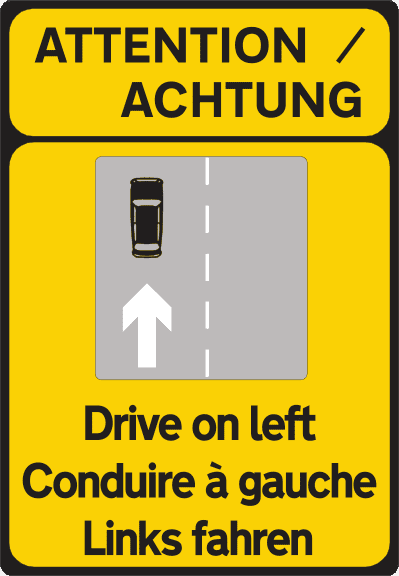
A driver must drive on the left-hand side.
This sign is generally in areas where tourists might be travelling and reminds motorists to drive on the left. These signs are commonly found around airports and ferry ports.
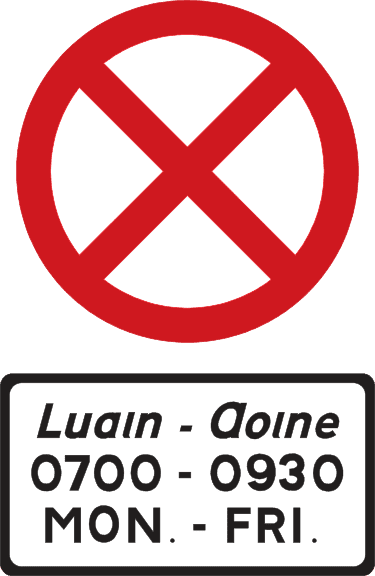
Clearway - no stopping or parking during the times shown.
A clearway sign means that stopping or parking is not permitted in this area during the times shown on the information plate.
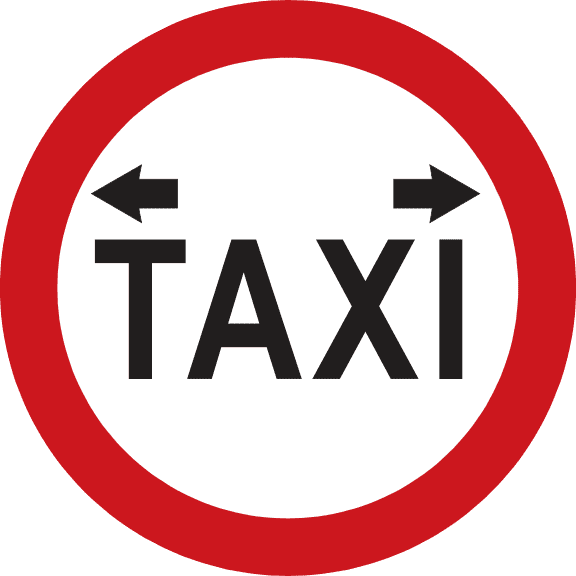
Designated rank for taxis.
A taxi rank sign indicates that this is an area reserved for taxis, and parking or stopping by other road users is not permitted.
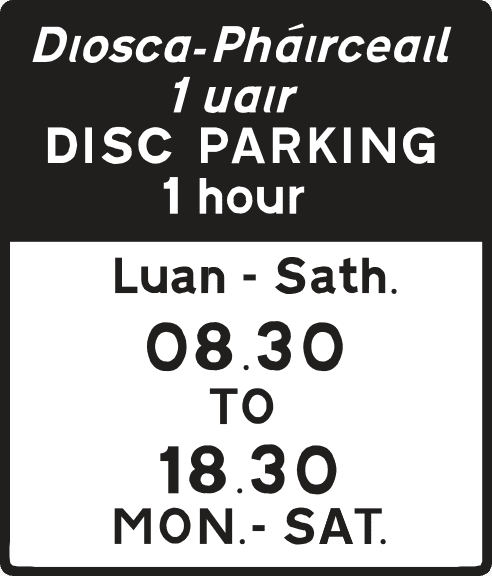
Disc parking operates during the time shown.
This sign tells you that vehicles must display a parking disc when parked during the hours shown on the information plate.
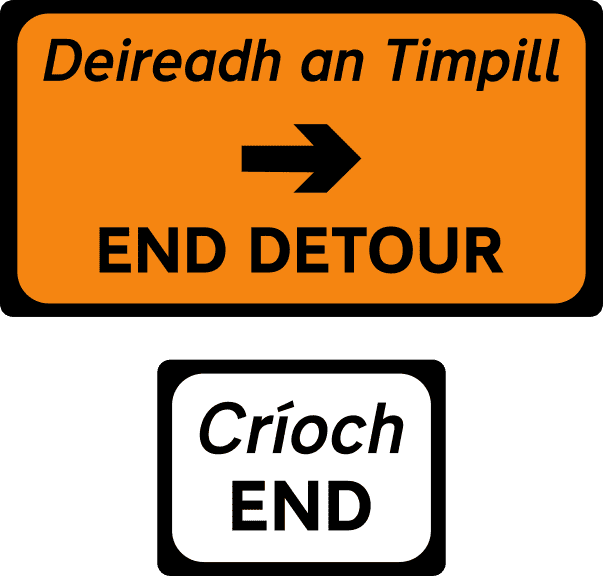
End of detour.
Together these two signs indicate that a detour has ended.
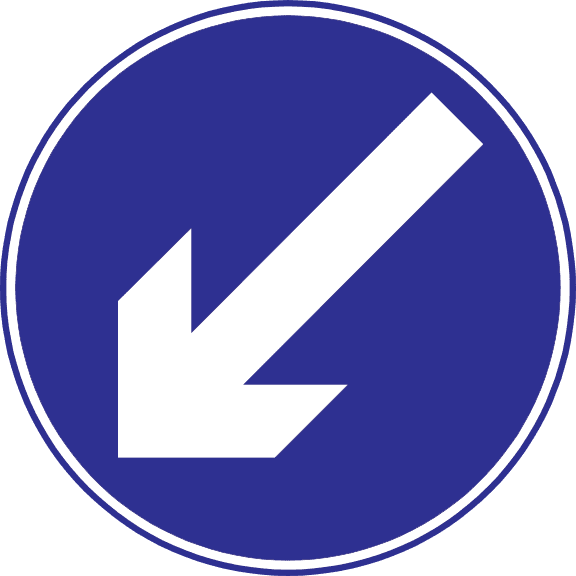
Keep left.
This sign tells you that you must keep left. It is usually displayed at a traffic island in the centre of the road and also used on occasion to control traffic at roadworks.
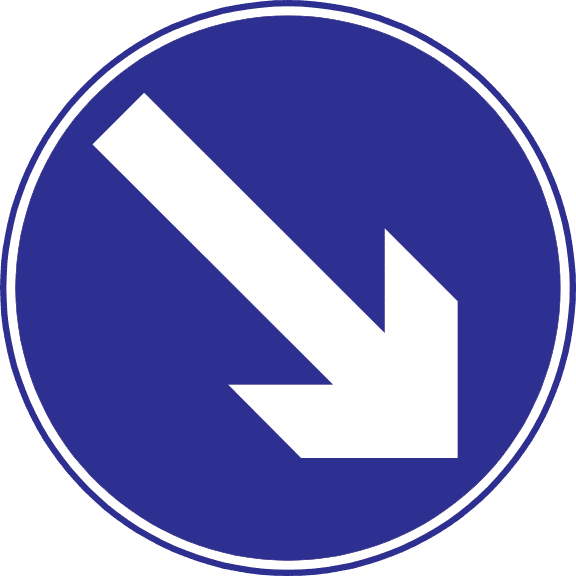
Keep right.
This sign tells you that you must keep right. It is usually found in a one-way system where the traffic is required to keep to the right and also used on occasion to control traffic at roadworks.
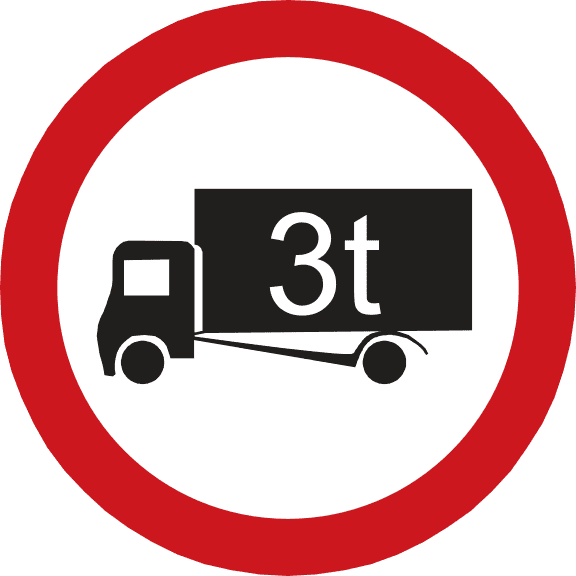
Maximum permitted weight is 3 tonnes.
This sign tells you that you must not enter this area if your vehicle is over 3 tonnes or 3,000 kg.
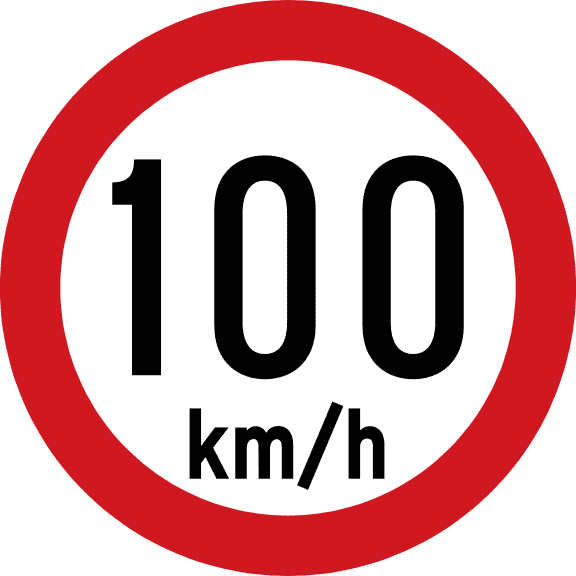
Maximum speed is 100 km/h.
This sign tells you that the maximum legal speed limit permitted for this section of road is 100 km/h.
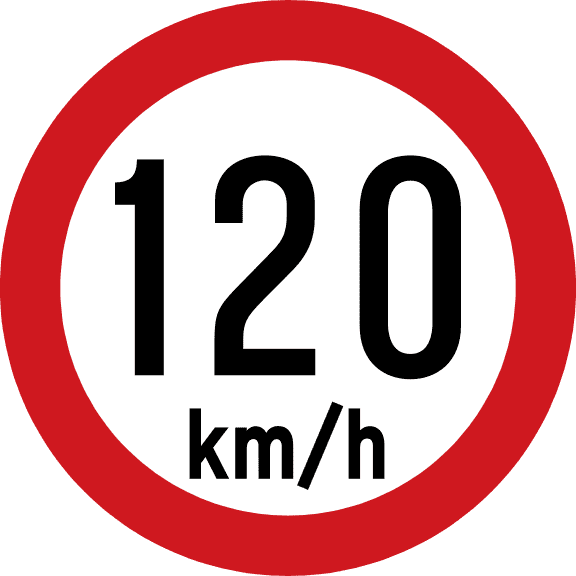
Maximum speed is 120 km/h.
This sign tells you that the maximum legal speed limit permitted for this section of road is 120 km/h.
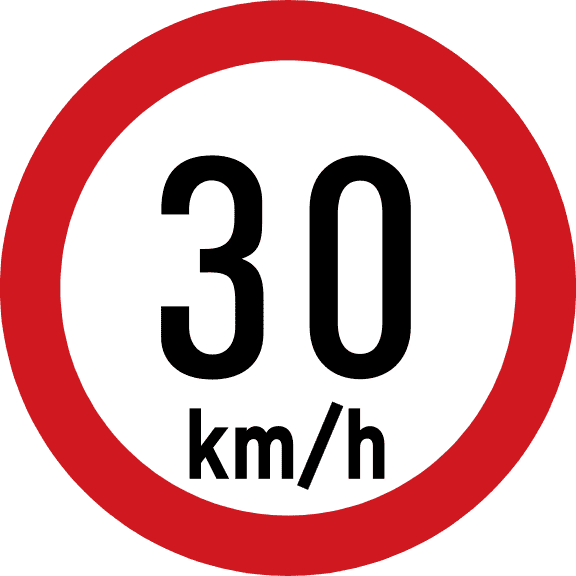
Maximum speed is 30 km/h.
This sign tells you that the maximum legal speed limit permitted for this section of road is 30 km/h. These signs are commonly found in slow zones in residential areas.
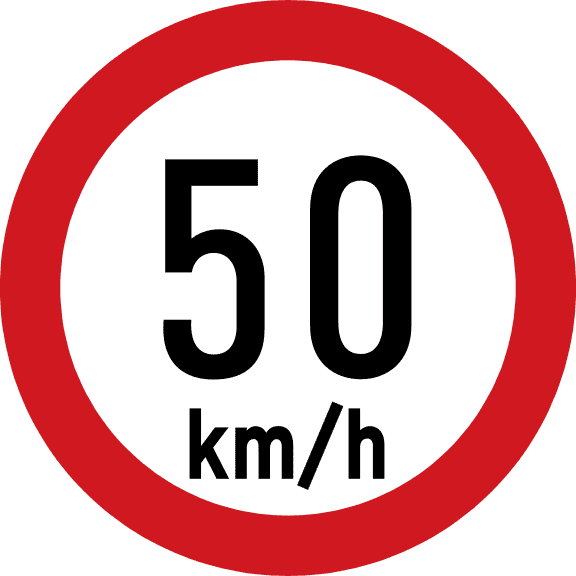
Maximum speed is 50 km/h.
This sign tells you that the maximum legal speed limit permitted for this section of road is 50 km/h.
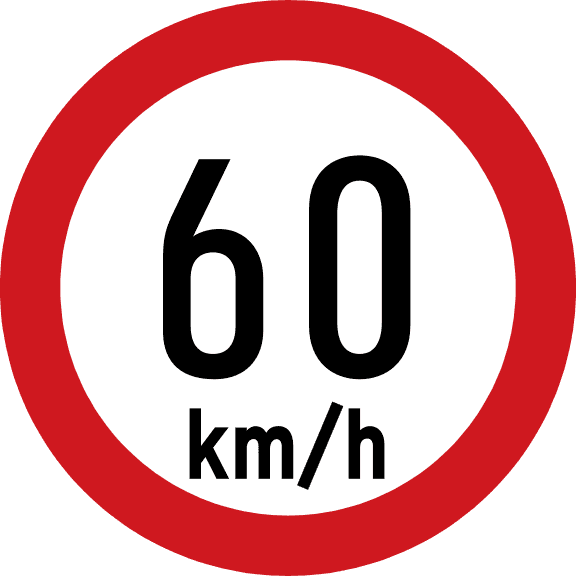
Maximum speed is 60 km/h.
This sign tells you that the maximum legal speed limit permitted for this section of road is 60 km/h.
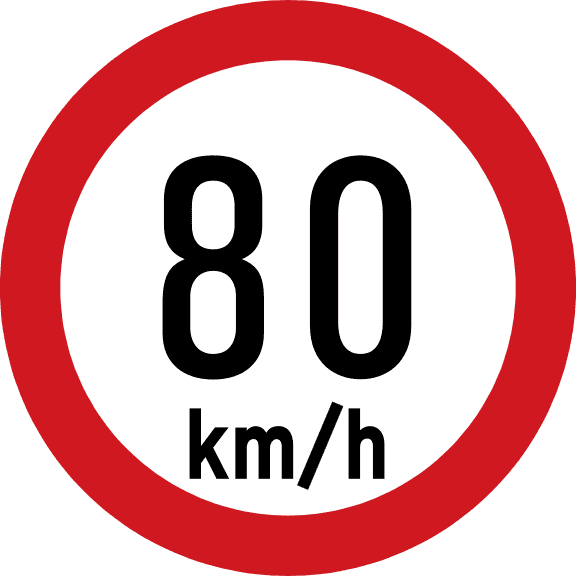
Maximum speed is 80 km/h.
This sign tells you that the maximum legal speed limit permitted for this section of road is 80 km/h.
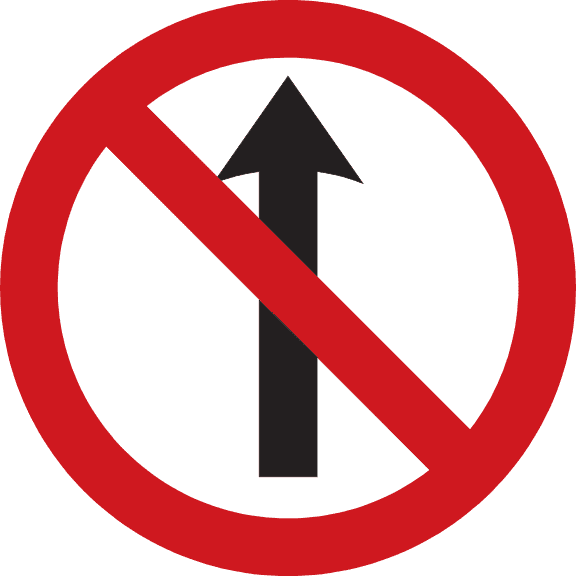
No entry ahead.
This sign tells you that you must not proceed in the direction of the arrow. This is displayed to prevent traffic going in the wrong direction – for example, the wrong way up a one-way street.
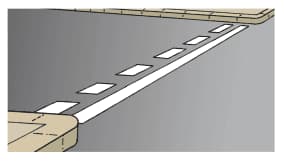
No entry.
This road marking indicates a one-way street. You may not enter this street.
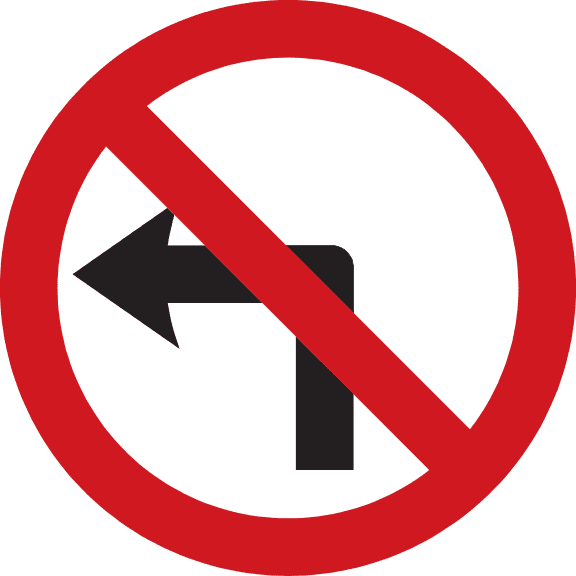
No left turn.
This sign is displayed at a junction where you may not turn left.
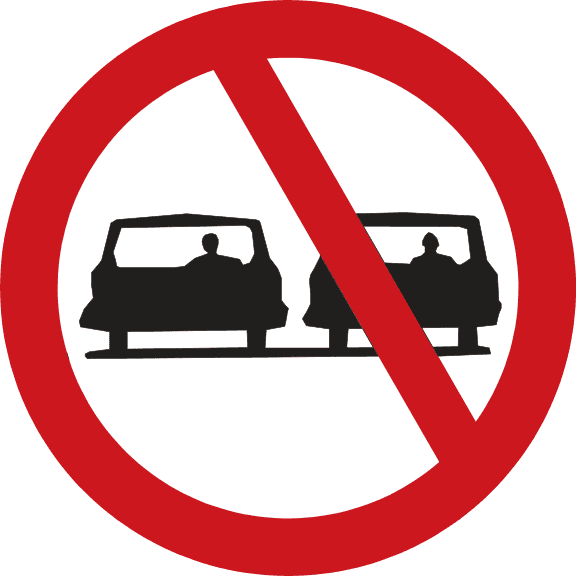
No overtaking.
This sign tells you that overtaking is prohibited. These signs are usually found in places where overtaking may be dangerous, such as in areas with reduced visibility.
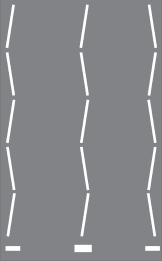
No parking in this area.
White zigzag lines indicate that you are approaching a pedestrian crossing. You must not park or overtake within this area.
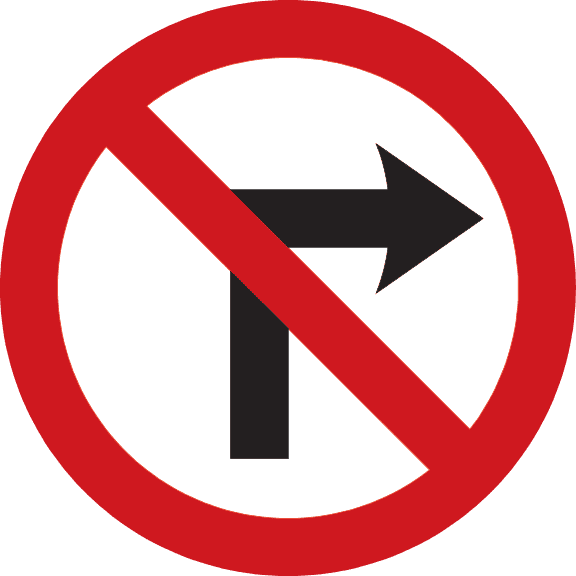
No right turn.
This sign is displayed at a junction where you must not turn right.
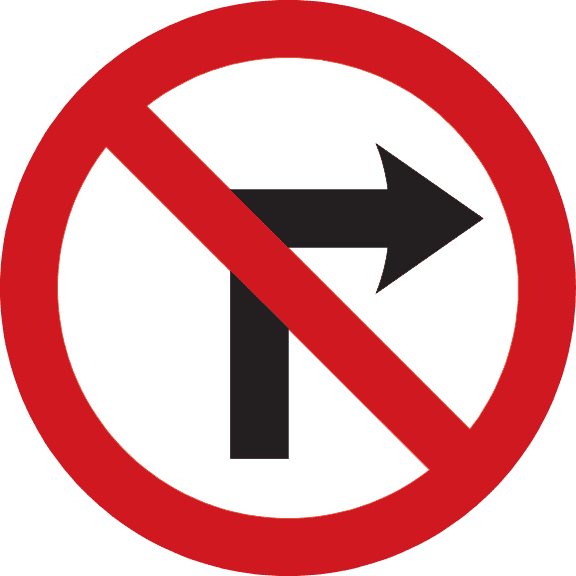
No right turn.
This sign is displayed at a junction where you may not turn right.
No U-turn allowed.
You must never do a U-turn on any stretch of road with a continuous white line along its centre. The restricted vision at such places would make doing a U-turn very unsafe.
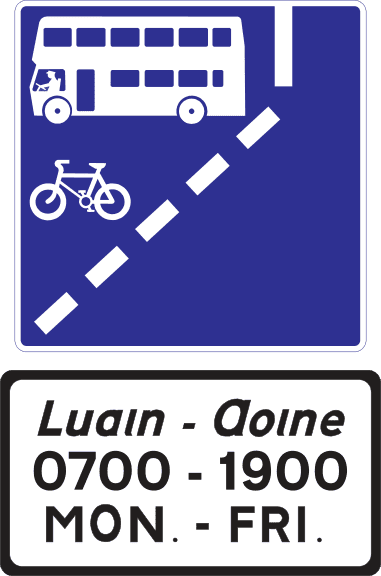
Only buses, cyclists and taxis are allowed to use the lane ahead during the hours indicated.
This sign tells you there is a with-flow nearside bus lane ahead on the left – that is, one where the buses move in the same direction as the traffic to their right. The information plate tells the times when the bus lane is in operation. Only buses, taxis and cyclists may use the bus lane during those hours.
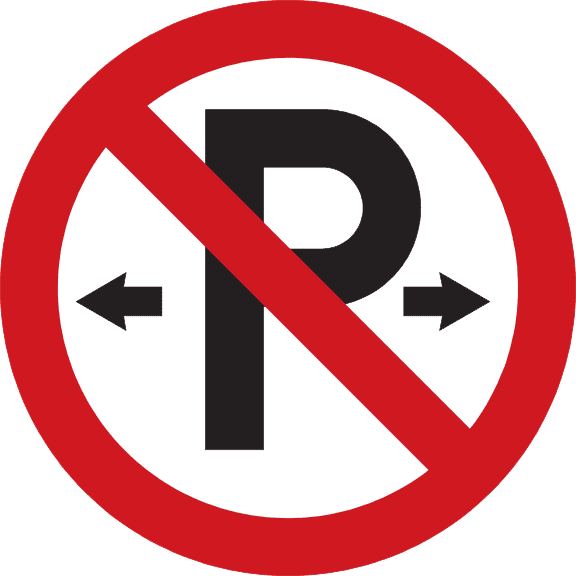
Parking is not allowed.
This sign tells you that parking is prohibited in both directions.
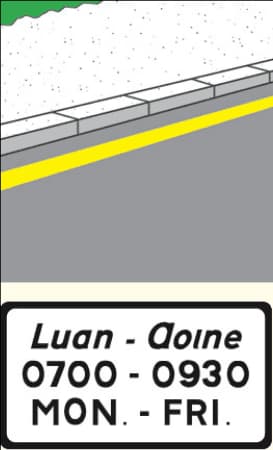
Parking not allowed at the times and days shown.
A single yellow line along the edge of a road means that you must not park there during the times shown on the accompanying information plate.
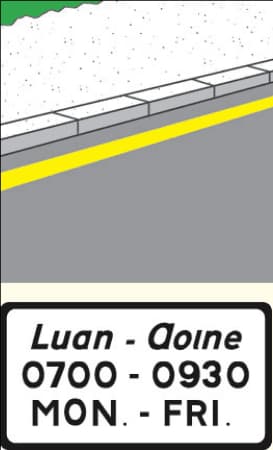
Parking not allowed at the times shown.
A single yellow line along the edge of a road means that you must not park there during the times shown on the accompanying information plate.
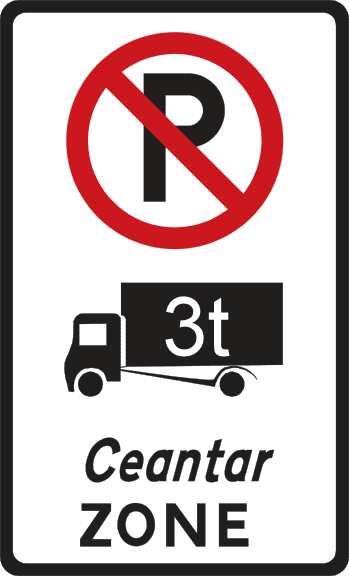
Parking of vehicles exceeding the weight shown is not allowed.
This sign tells you that you must not park in this area if your vehicle is over the weight limit indicated.
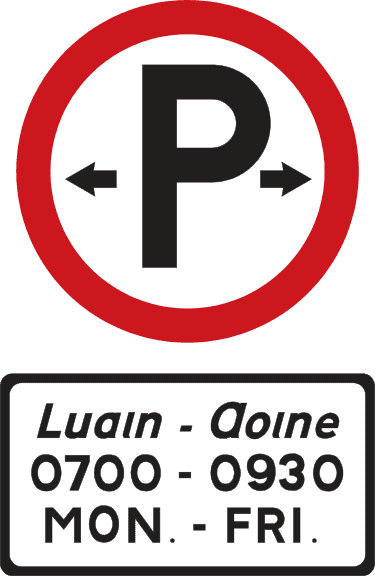
Parking permitted during the times shown.
These signs tell you that parking is permitted in both directions, but only at the times shown on the information plate.
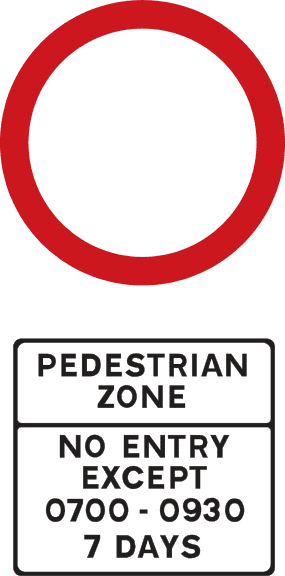
Pedestrianised street ahead - traffic not allowed except during times shown.
When posted together these signs tells you that there is a pedestrianised street ahead and that traffic is not allowed to enter except during the times stated on the information plate.
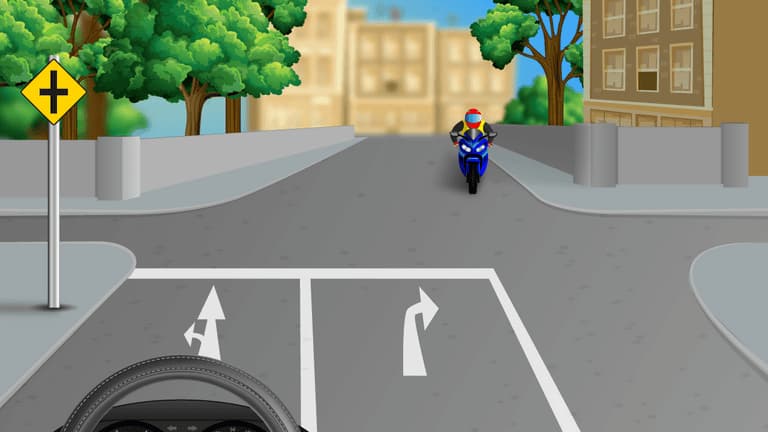
Proceed straight ahead or turn left.
As you approach a junction where you want to turn right, you should read the road ahead and take up the correct position for turning in good time.
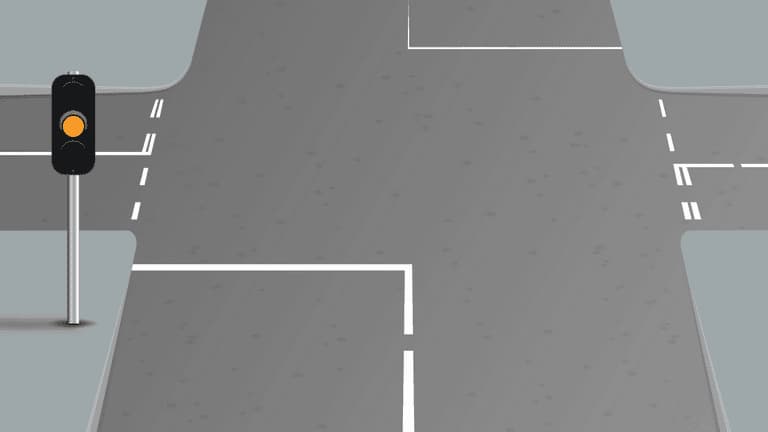
Stop at the line unless it is not safe to do so.
By law you must stop at an amber traffic light if it is safe to do so.
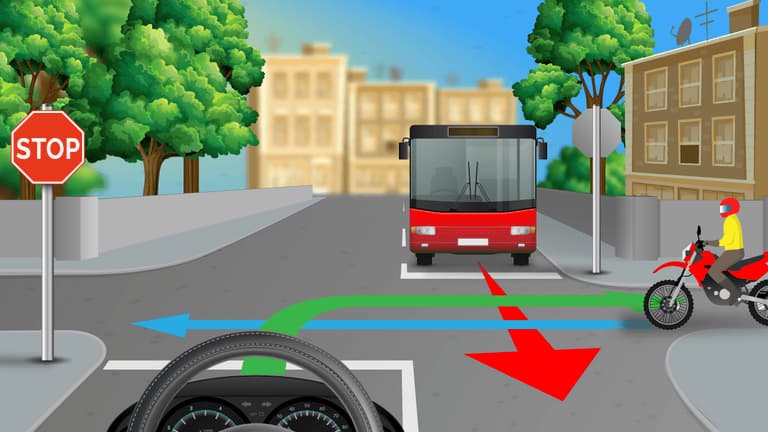
Stop at the line.
You must stop at the line where a junction is controlled by a STOP sign and stop line. Do not proceed until it is safe to do so.
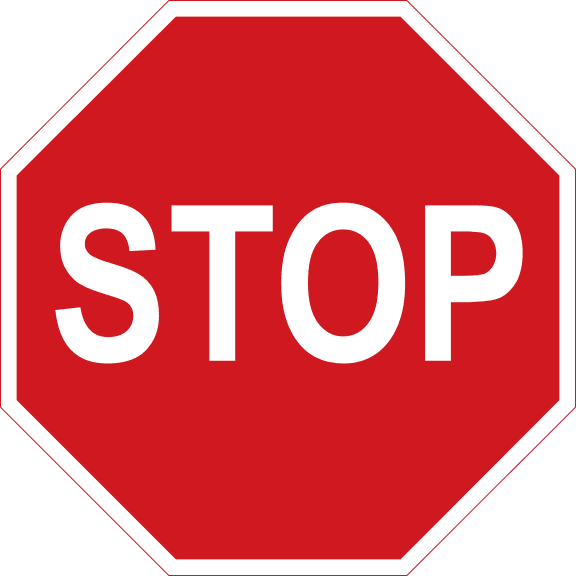
Stop at the sign.
Where a STOP sign is not accompanied by a white stop line, you must stop at the sign.
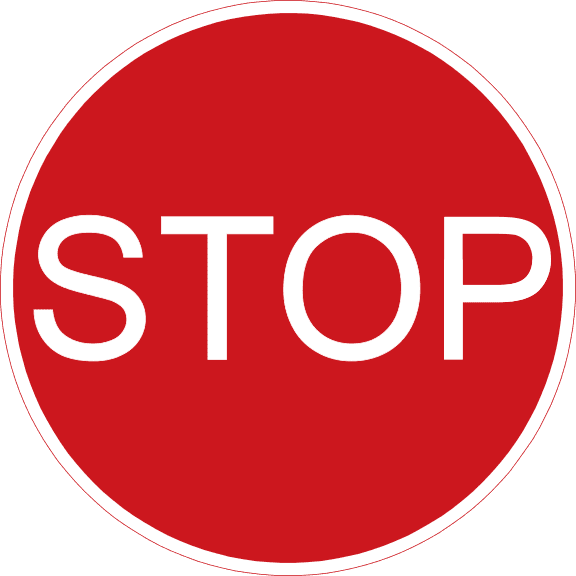
Stop before or at the sign.
This traffic control sign at roadworks means you must stop.
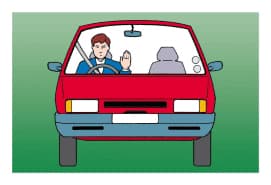
The driver intends to proceed straight ahead.
This hand signal informs other road users or a Garda directing traffic that the driver intends to proceed straight ahead.
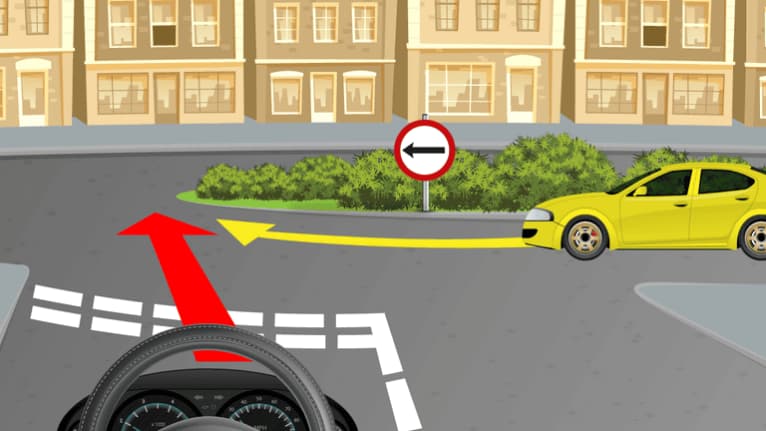
The driver must yield to the yellow car on the roundabout.
When you reach the roundabout, you must give way to traffic approaching from the right – unless signs, road markings or traffic lights tell you otherwise.
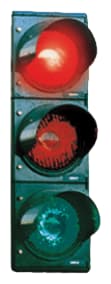
Traffic must stop at the traffic light.
A red light means STOP. You must not go beyond the stop line or (if there is no stop line) beyond the light.
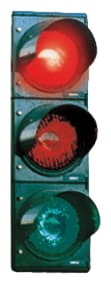
Traffic must stop at the traffic light.
A red light means STOP. You must not go beyond the stop line or (if there is no stop line) beyond the light.
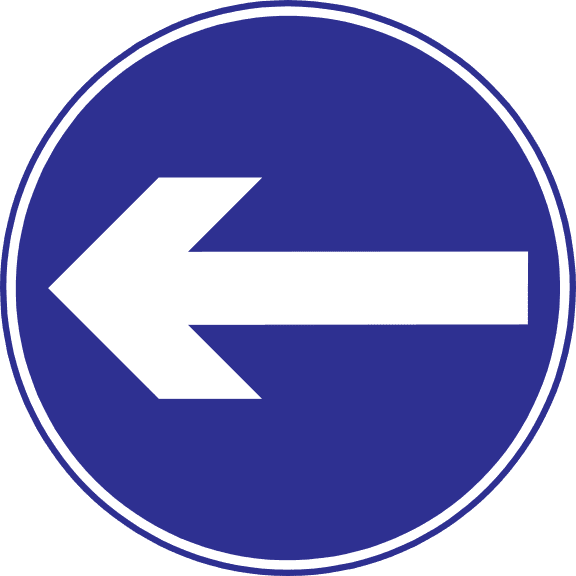
Turn left only.
This sign tells you that you must turn left. It is usually displayed at a junction where all traffic must turn left – for example, in a one-way system that incorporates a junction.
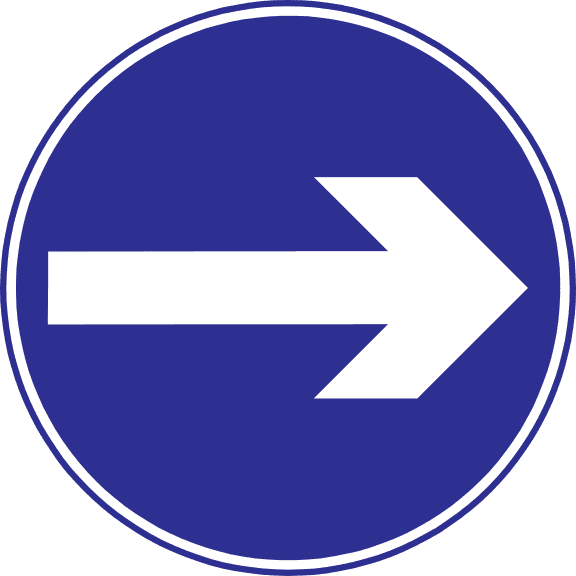
Turn right only.
This sign tells you that you must turn right. It is usually displayed at a junction where all traffic must turn right – for example, in a one-way system that incorporates a junction.
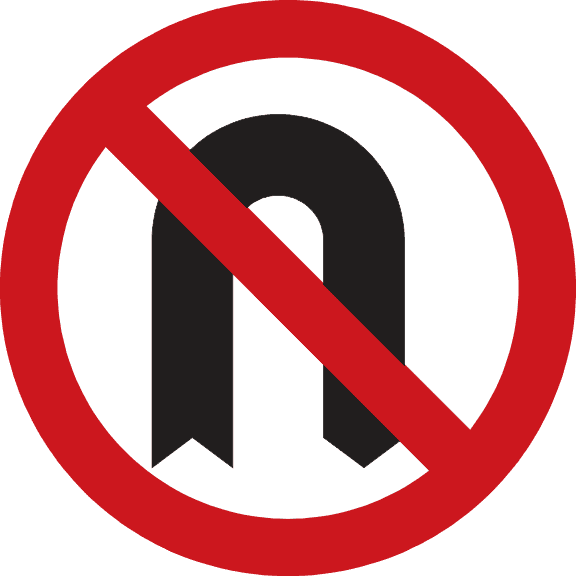
U-turn not permitted.
This sign tells you that you are not permitted to make a U-turn. It is commonly displayed on approach to junctions on dual carriageways. Drivers should also be aware that U-turns are also not permitted anywhere there is a continuous white line along the centre of the road or on a one-way street.
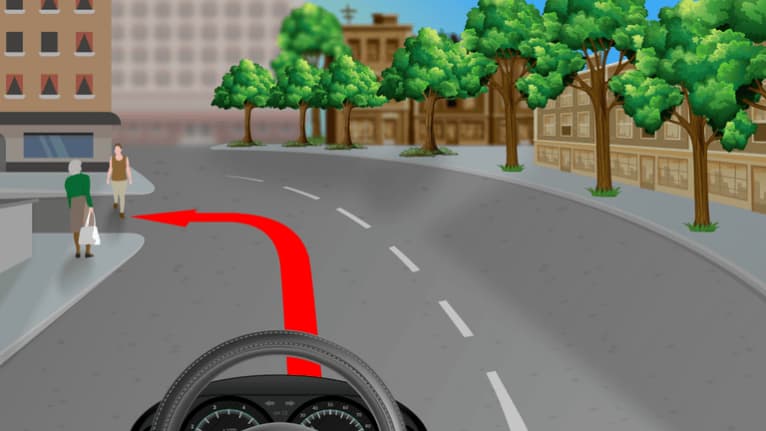
Yield to pedestrians already crossing.
By law you must yield to pedestrians already crossing at a junction. Pedestrians are vulnerable road users and you should be extra careful driving at places where pedestrians are attempting to cross the road.
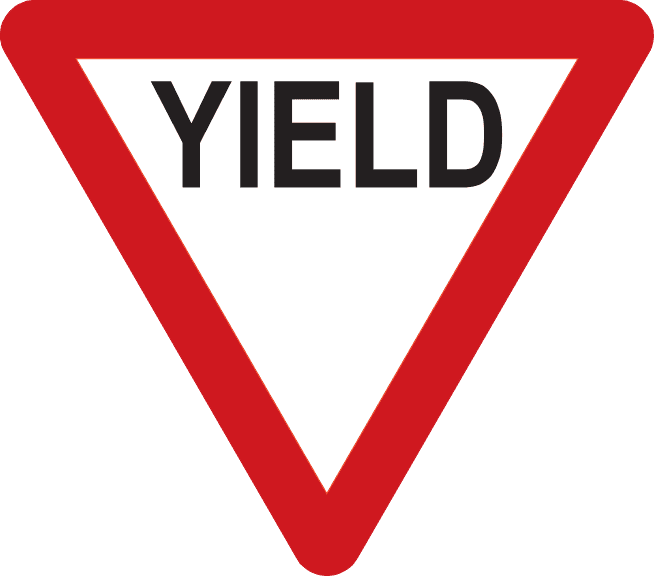
Yield to traffic coming from the right, or already on the roundabout.
At a roundabout, the YIELD sign tells you that you must slow down and be prepared to stop. You must yield (give way) to traffic already on the roundabout or coming from the right.
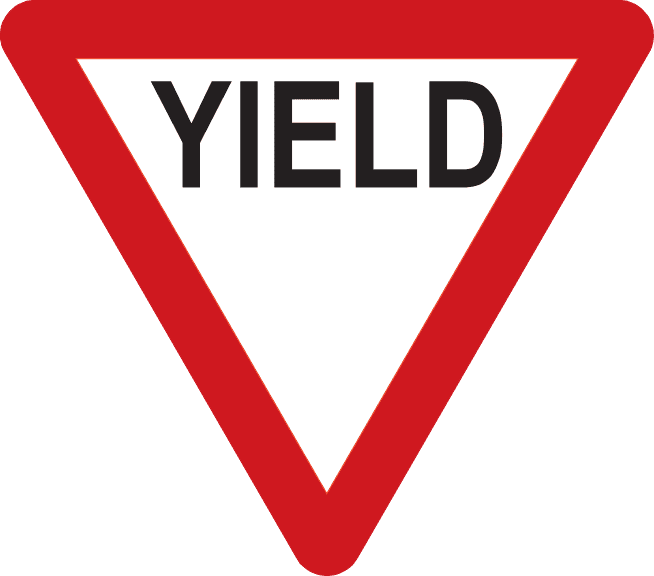
Yield to traffic on the major road.
At a junction, the YIELD sign tells you that you must give way to traffic on a major road ahead. This means that you must slow down and be prepared to stop.
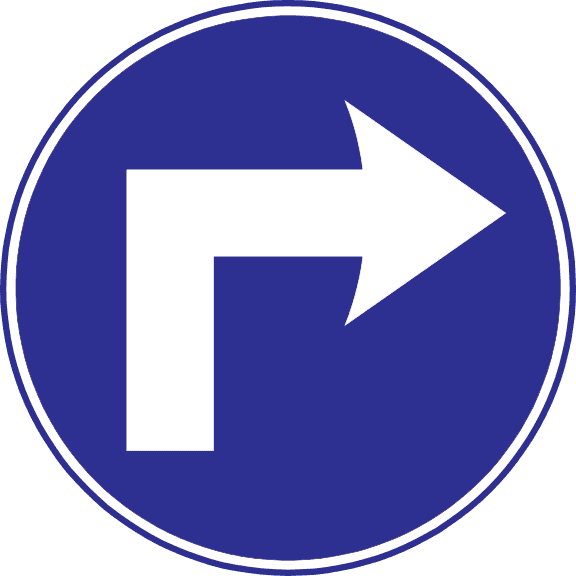
You must turn right ahead.
This sign tells you that you must turn right ahead. It is usually displayed on the approach to a one-way system.